
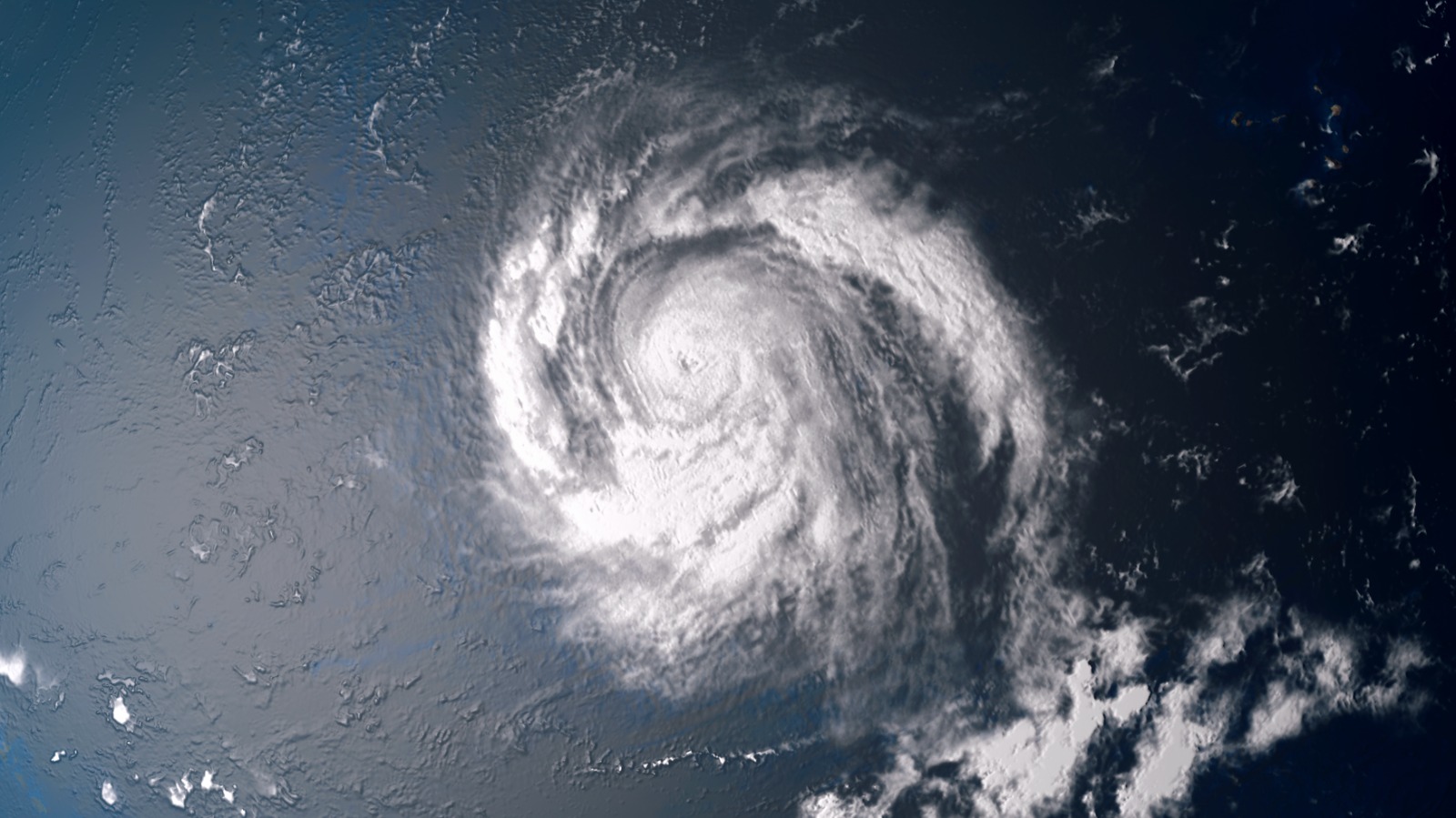
Approximately 62.89% of current offshore oil production and 57.35% of natural gas output had been shut in, according to figures reported by the Marine Minerals Administration and cited by Investing.com. The disruption reflects the scale of precautionary measures taken by producers as the hurricane approaches the US Gulf Coast.
The storm has also prompted the evacuation of 121 production platforms, representing 32.61% of the 371 manned platforms operating in the Gulf. Personnel were removed from five non-dynamically positioned rigs, while four dynamically positioned rigs moved away from their locations as operators responded to the hurricane's projected path.
The US Energy Information Administration reported that production shut-ins had reached approximately 1.3 million barrels of crude oil per day and 1.1 billion cubic feet of natural gas per day by 8 October. The figures underline the importance of the Gulf region to domestic energy supply and the potential consequences of severe weather for offshore operations.
The Gulf of Mexico is a major source of US crude oil and natural gas production, while the wider Gulf Coast also contains a significant concentration of refining infrastructure. Disruptions can therefore affect both the availability of raw materials and the ability of energy companies to process and distribute petroleum products.
For producers, the immediate priority is protecting workers and infrastructure. Offshore facilities cannot resume normal operations until companies have assessed conditions, confirmed the safety of equipment, and obtained clearance for personnel to return.
The duration of the shutdowns will be important in determining their effect on supply and prices. Temporary interruptions may have a limited market impact if facilities return to operation quickly. However, prolonged outages or damage to production and transport infrastructure could tighten regional supplies and increase pressure on energy prices.
The storm also highlights the vulnerability of energy systems to extreme weather events. Producers must balance the commercial cost of interrupted output against the operational and safety risks of maintaining offshore activity during severe conditions.
Although the shutdowns do not necessarily indicate permanent production losses, their scale demonstrates how quickly weather-related disruption can affect energy supply. Market conditions will depend on the hurricane's eventual impact, the pace of recovery, and the ability of operators to restore production safely.