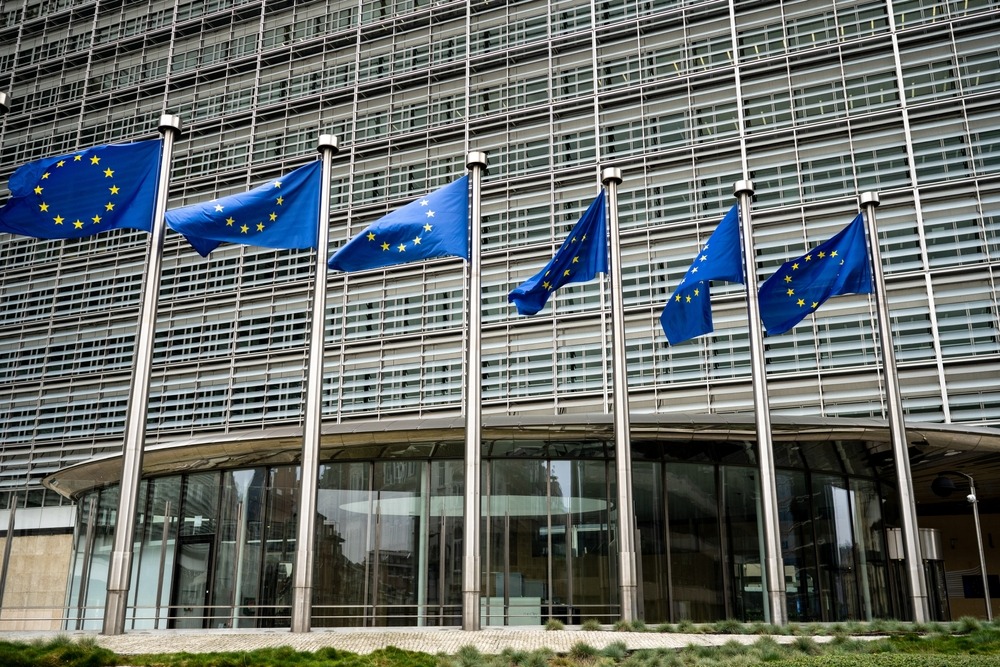
The discussions are taking place during a special European Council meeting in Brussels on 26 and 27 November, with member states seeking to narrow differences ahead of a planned December summit.
The proposed seven-year budget is designed to finance the EU's strategic priorities, including economic competitiveness, security, defence, agricultural support and regional development.
However, the distribution of funds has become a major source of disagreement among member states. The proposal includes approximately €740 billion for farmers and poorer regions, alongside up to €100 billion in potential support for Ukraine.
The financing of Ukraine has become particularly contentious as the country continues to face substantial economic and military requirements following Russia's prolonged invasion.
European governments are also considering arrangements to provide Kyiv with additional financial assistance in 2027. The EU has proposed borrowing €45 billion against its existing budget and lending the proceeds to Ukraine, with repayment expected only if Russia pays war reparations.
Additional contributions from international partners could bring total available support to approximately €70 billion, although Ukraine's financing requirements remain a significant concern.
Several member states, including Slovakia, the Czech Republic, Hungary and Bulgaria, have opposed sharing the proposed loan burden. Germany and other governments have argued that broad participation is necessary to secure agreement on the wider budget.
The negotiations also reflect competing economic priorities within the bloc. Wealthier net-contributing countries are seeking tighter spending discipline and greater investment in competitiveness, while countries benefiting from agricultural and regional development funding are defending existing allocations.
The political outlook in France has added urgency to the discussions, with Ukraine's supporters seeking legally binding financial commitments before the country's presidential election in May 2027.
For European businesses and investors, the final budget will influence infrastructure spending, industrial competitiveness, agricultural support and the availability of development financing.
European Council President António Costa is expected to work towards a revised proposal before leaders meet again on 17 and 18 December.
The outcome will determine whether the bloc can reconcile its competing fiscal priorities while maintaining a coordinated approach to European security and support for Ukraine.