Finance Minister Cassiel Ato Forson announced the proposed exemptions while presenting the 2027 Budget Statement and Economic Policy, known as the New Economy Agenda, to Parliament on 13 November.
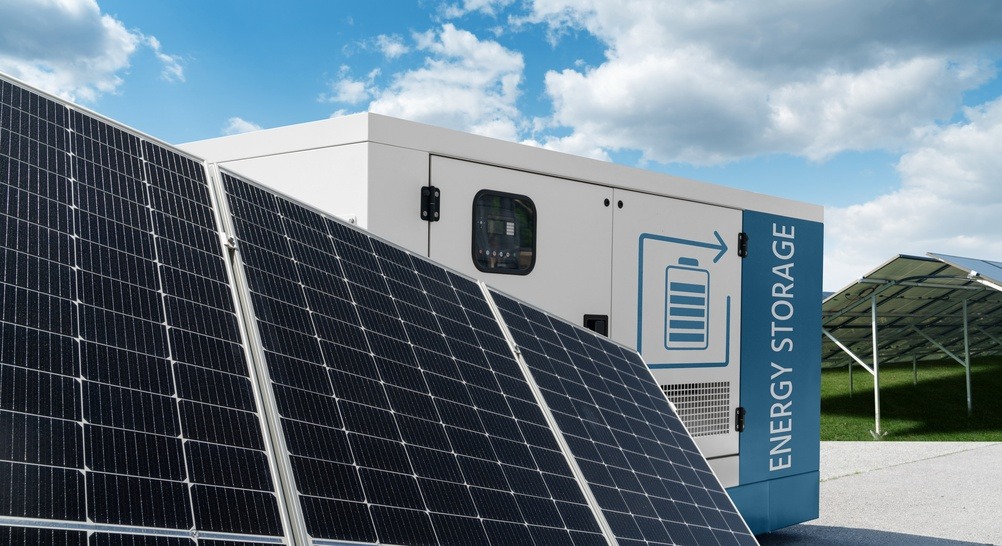
The measures are intended to reduce the initial cost of installing solar energy systems and make renewable electricity more accessible to households, businesses, schools, healthcare facilities and agricultural operators.
The government believes that lowering the tax burden on imported solar equipment could encourage wider adoption of alternative energy sources while reducing dependence on conventional electricity generation.
Forson said the initiative formed part of a broader strategy to strengthen national energy security and support productive economic activities. He also linked the policy to the government's 24-hour economy programme, which seeks to encourage businesses and industries to extend their operating hours.
The proposed exemptions could have important implications for Ghana's renewable energy market, particularly as businesses increasingly consider solar installations as a way of managing electricity costs and improving the reliability of their operations.
Agriculture represents another potential beneficiary. Farmers could use solar-powered irrigation systems and storage facilities to support production, while healthcare institutions and educational facilities could improve access to reliable electricity.
For renewable energy suppliers and international equipment manufacturers, the proposed tax relief could create opportunities to expand distribution networks and develop partnerships with local installers.
However, the effectiveness of the policy will depend on implementation, equipment affordability and the availability of financing for households and businesses that cannot meet installation costs upfront.
The exemptions also represent a potential fiscal trade-off, as the government seeks to balance reduced import tax revenue against the wider economic benefits of renewable energy investment.
Ghana's longer-term energy objectives include improving electricity access, supporting industrial development and diversifying its energy mix.
Attention will now turn to the legislative and administrative steps required to implement the proposed exemptions and whether lower import costs translate into more affordable solar installations.