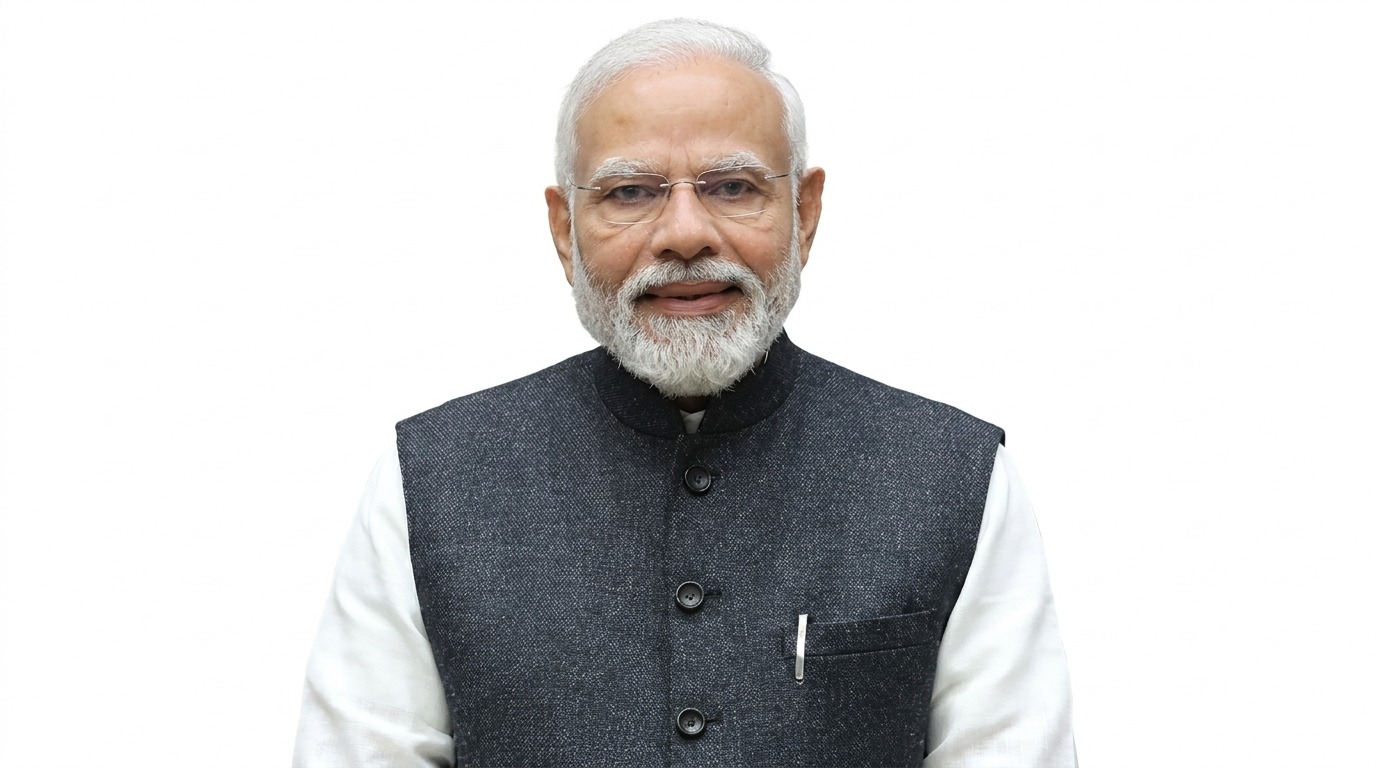
Indian Prime Minister Narendra Modi announced the package following discussions with Nepalese Prime Minister Balendra Shah, who is making his first official visit to India since assuming office in March 2026.
The financial commitment is intended to support infrastructure restoration, rebuild affected communities, and assist people who lost their homes and livelihoods during the disaster.
The floods of 26 August caused widespread destruction across Nepal. According to the Associated Press, the disaster resulted in approximately $4.7 billion in estimated economic losses, killed around 1,500 people and left more than 5,200 missing.
The scale of the damage has placed significant pressure on Nepal's public finances and reconstruction capacity, particularly as the country works to restore essential transport, energy and agricultural infrastructure.
The Indian assistance package represents an important contribution to that recovery effort. The United Nations has separately pledged approximately $20 million in support.
During the visit, the two governments also inaugurated a hydropower project, an oil storage facility, a pipeline and a cross-border railway service. These developments demonstrate the growing importance of infrastructure and energy cooperation within their bilateral relationship.
India remains a major supplier of petroleum products and other essential commodities to landlocked Nepal. Energy trade has also become increasingly reciprocal, with India importing approximately 1,200 megawatts of electricity generated in Nepal.
The relationship carries wider strategic importance as both countries seek to strengthen regional connectivity and develop cross-border economic opportunities. However, bilateral ties have previously faced tensions over territorial disagreements and allegations of political interference, while China's growing investment presence in Nepal adds another dimension to regional competition.
For Nepal, the immediate priority will be ensuring that the announced assistance translates into effective reconstruction and support for affected communities.
The implementation of the package, the allocation of resources and the completion of infrastructure projects will determine its longer-term economic value.