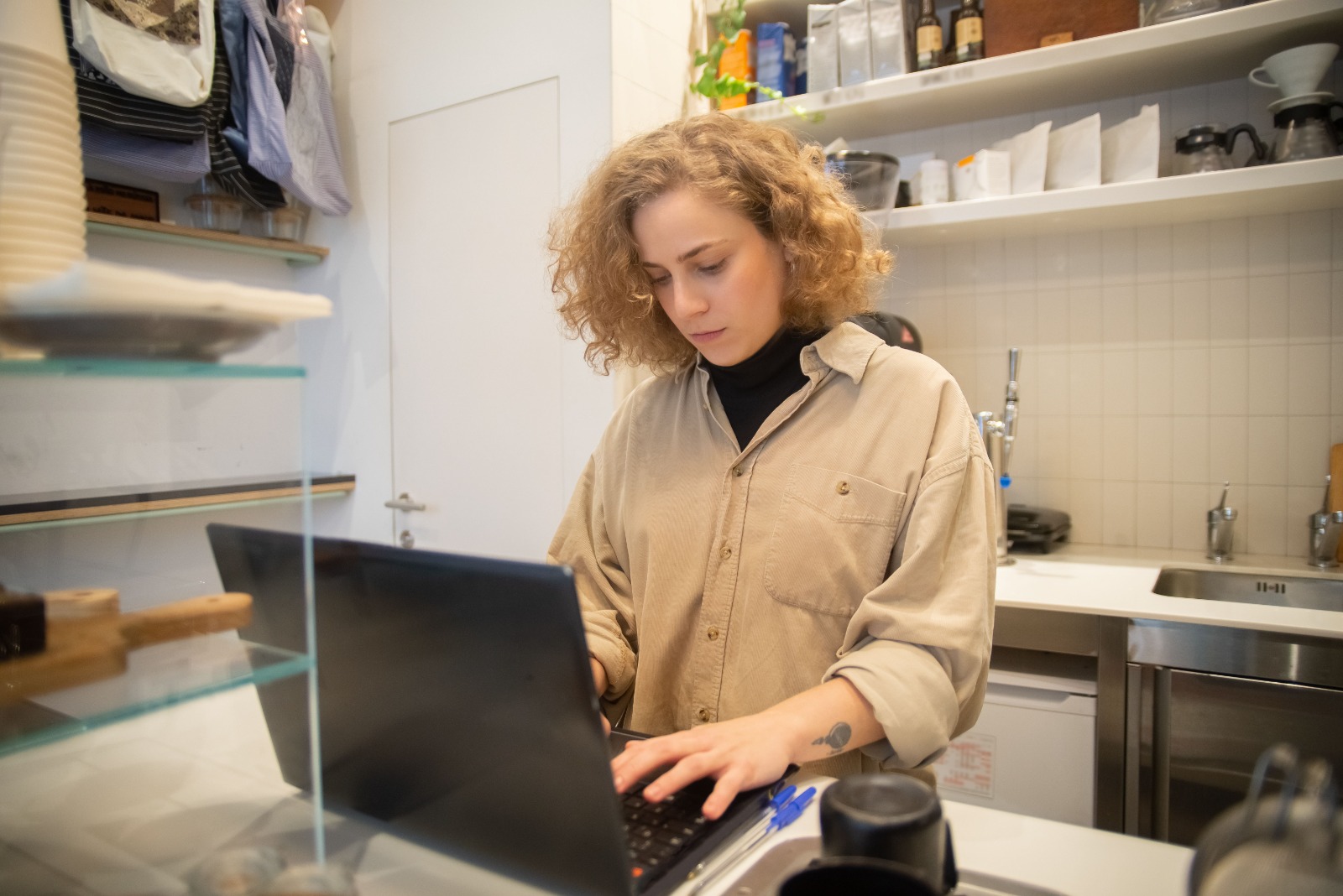
The National Federation of Independent Business said its Small Business Optimism Index rose 2.4 points to 99.8 in July, above its 52-year average of 98.0. The increase was accompanied by stronger hiring intentions, suggesting that smaller firms continue to see sufficient demand to support expansion despite a complex economic environment.
The improvement is an important signal for the wider US economy because small businesses account for a substantial share of private-sector employment and economic activity. Stronger hiring intentions could support household incomes and consumption if businesses are able to fill available positions.
That remains uncertain. The proportion of small-business owners reporting unfilled job openings rose to 36%, the highest level since June 2025. Labour quality and availability were identified as a leading concern by 27% of owners.
The data suggest that the challenge facing businesses may be shifting. Inflation remained a concern, but its prominence declined, while labour availability became a more significant operational constraint. Retirements and tighter immigration policies were identified among factors contributing to a smaller available workforce.
For policymakers, the combination creates a difficult balance. Strong hiring intentions indicate continued economic resilience, while persistent labour shortages can restrict production and raise wage costs.
The survey also showed increased uncertainty, with geopolitical tensions contributing to business caution. That uncertainty could affect capital expenditure and hiring decisions if companies become less confident about future demand.
Investors will be watching whether the improvement in sentiment translates into actual employment growth and stronger business investment.
The next signals will come from payroll data, wage growth, small-business hiring and broader measures of consumer and corporate confidence.