The unemployment rate increased to 4.6% in August from 4.5% in July, reaching its highest level since late 2021, according to Australian Bureau of Statistics data reported by Reuters. Employment nevertheless increased by 39,500 during the month, exceeding market expectations.
The rise in unemployment was partly driven by an increase in labour-force participation. The participation rate climbed to 67.1%, while the labour force increased by 67,700 during the month.
The figures suggest that employment growth is not fully keeping pace with the number of people entering the workforce. That points to some easing in labour-market tightness, an outcome that could eventually reduce wage and inflation pressures.
However, the broader inflation environment remains challenging. Australia's trimmed-mean inflation rate stood at 3.6% in July, above the Reserve Bank's target range of 2% to 3%.
Higher oil prices are adding to the policy challenge. Brent crude has remained above $100 a barrel amid continuing geopolitical uncertainty, increasing the risk of additional cost pressures across transport, energy and consumer goods.
Markets have continued to price the possibility of another increase in the RBA's policy rate despite the weaker employment signal. The central bank has already raised rates three times this year, bringing the cash rate to 4.35%.
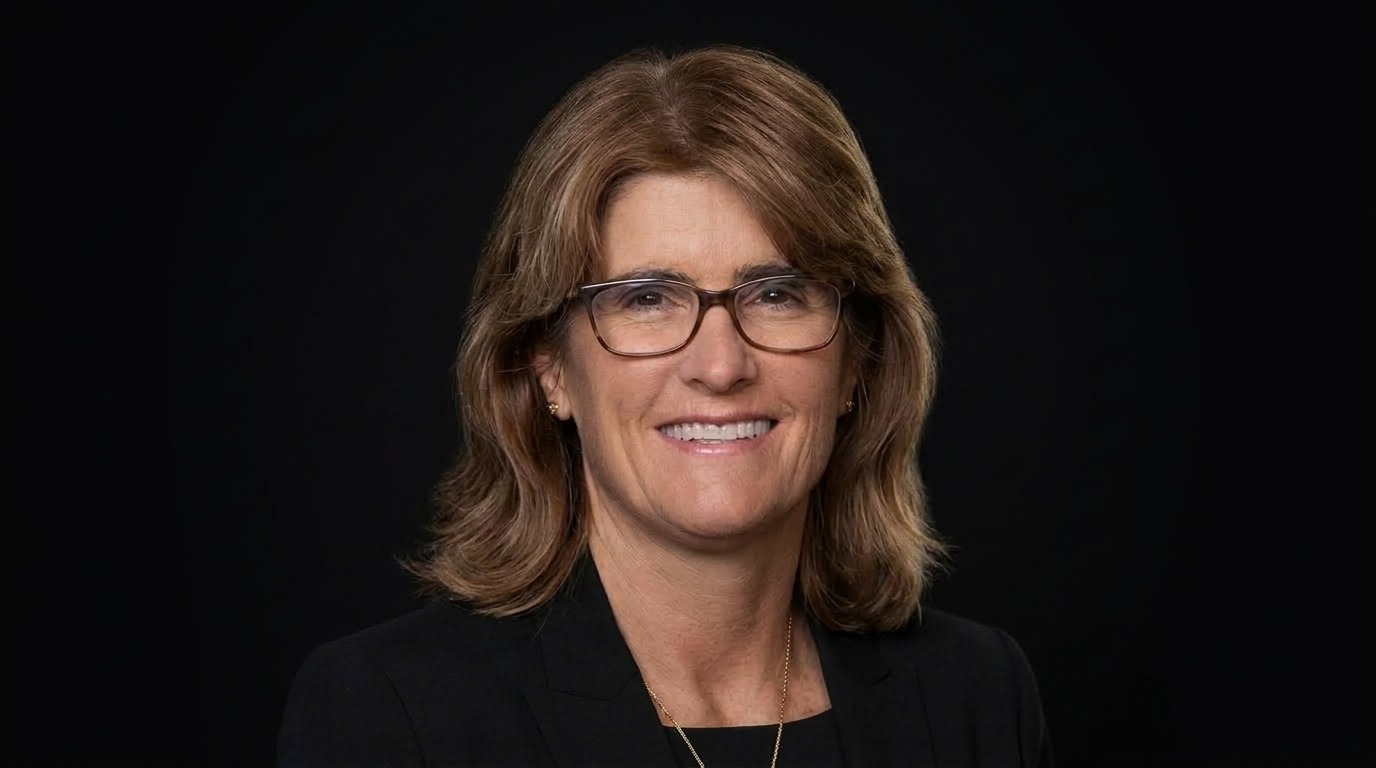
Governor Michele Bullock has indicated that unemployment within a range of 4.5% to 5% could contribute to easing inflation pressures, suggesting that policymakers are closely monitoring the labour market as part of their broader assessment.
For households and businesses, the interest-rate outlook remains important. Higher borrowing costs can constrain mortgage affordability, business investment and consumer spending, while persistent inflation can reduce real household purchasing power.
The latest labour data therefore do not provide a straightforward policy signal. They point to some moderation in labour-market conditions while highlighting continuing price pressures from the wider economy.
The RBA's next decisions will depend on how employment, inflation, energy costs and domestic demand develop together as policymakers seek to contain inflation without unnecessarily weakening economic activity.