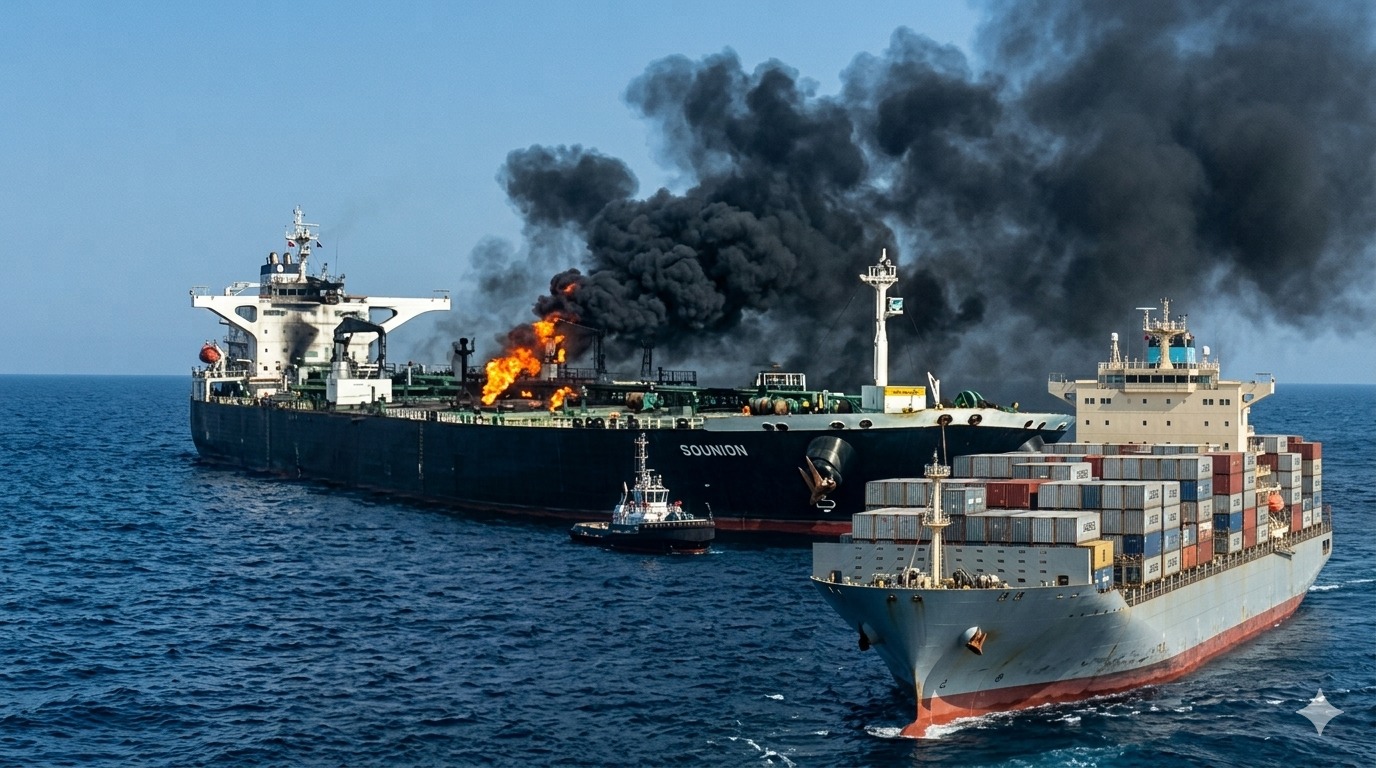
Energy markets, shipping operators and multinational corporations remain focused on developments in the Middle East, where any escalation could affect trade routes, commodity prices and broader economic confidence. While immediate market reactions have moderated, analysts say geopolitical risk remains embedded in investor decision-making.
The situation highlights the growing relationship between geopolitical developments and economic outcomes. Businesses increasingly view international security concerns not simply as diplomatic issues but as factors capable of influencing supply chains, operating costs and long-term investment decisions.
Energy remains at the centre of market attention. The region's importance to global oil and gas flows means even limited disruptions can affect pricing expectations and inflation forecasts worldwide. As a result, companies across transportation, manufacturing and logistics sectors continue monitoring developments closely.
Financial markets have become more resilient to geopolitical shocks in recent years, yet investors remain cautious about potential secondary effects. Rising insurance costs, supply-chain disruptions and shifts in trade patterns can create economic consequences that extend well beyond the immediate region.
Economists note that geopolitical fragmentation is increasingly shaping corporate strategy. Companies are investing more heavily in supply-chain diversification, regional manufacturing capacity and contingency planning to reduce exposure to external shocks.
Governments are also responding by strengthening energy-security measures and reassessing economic partnerships in an environment characterised by growing strategic competition.
For investors, the key concern is not necessarily a single geopolitical event but the cumulative impact of prolonged uncertainty on inflation, trade and global growth.
As geopolitical risks become a more permanent feature of the international economic landscape, businesses and policymakers are placing greater emphasis on resilience, adaptability and long-term strategic planning.