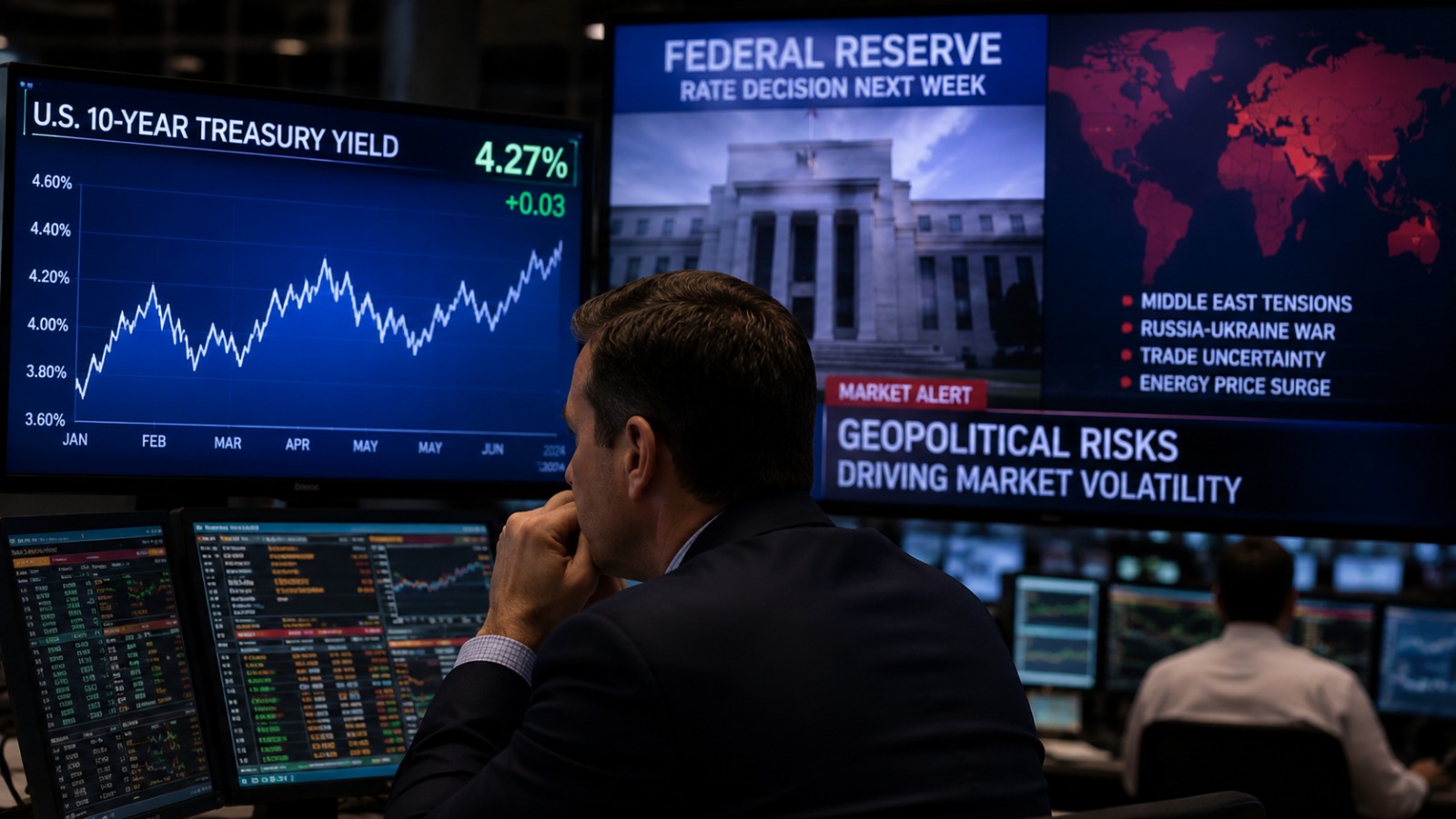
Reserve managers have gradually expanded diversification efforts beyond traditional dollar-denominated assets, reflecting broader attempts to strengthen resilience against market volatility and geopolitical uncertainty. While the U.S. dollar remains the world's dominant reserve currency, analysts say the composition of official reserves is becoming increasingly diversified as institutions seek greater flexibility in managing long-term financial risk.
The trend reflects structural changes rather than abrupt shifts. Higher interest-rate volatility, changing trade relationships and renewed focus on financial resilience have encouraged central banks to review reserve allocation strategies while maintaining liquidity and stability.
For financial markets, reserve diversification has implications extending beyond currency management. Changes in central-bank asset allocation influence sovereign bond demand, capital flows and long-term financing conditions across advanced and emerging economies.
Investors are also monitoring whether diversification trends will contribute to greater demand for alternative reserve assets, including gold and selected non-dollar government securities. Although such changes are expected to remain gradual, they represent an important evolution in the architecture of global finance.
Commercial banks, sovereign wealth funds and multinational corporations are likewise adapting treasury strategies to reflect a more fragmented geopolitical environment where currency exposure and financial resilience have become increasingly important components of risk management.
Economists emphasise that diversification should not be interpreted as a decline in the dollar's international role. Rather, it reflects a broader effort by institutions to strengthen portfolio resilience in an environment characterised by more frequent geopolitical shocks and evolving monetary policy expectations.
For executives, the trend underscores the growing importance of currency strategy, liquidity management and cross-border capital planning as global financial conditions continue to evolve.