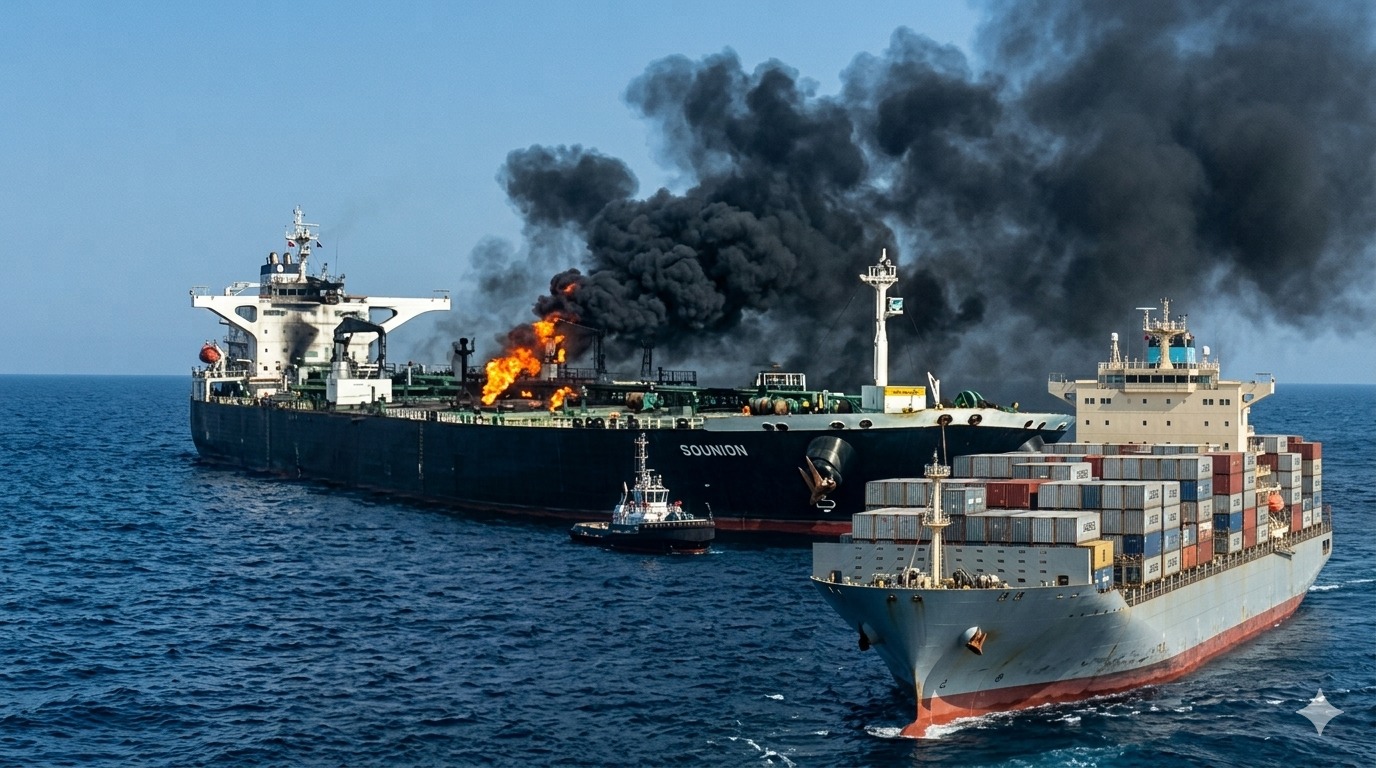
While recent diplomatic engagement has reduced immediate concerns over further escalation, companies remain cautious about the broader implications for energy markets, international shipping and regional trade. Corporate risk managers say geopolitical developments are increasingly treated as structural business risks rather than temporary disruptions.
Multinational companies with operations spanning manufacturing, logistics and energy have intensified scenario planning, reviewing procurement strategies, inventory management and supplier diversification to reduce exposure to potential disruptions.
Shipping companies continue monitoring critical maritime routes, while insurers are reassessing regional risk profiles that directly affect freight costs and commercial operations. Analysts note that even limited uncertainty can increase operating expenses for businesses dependent on predictable international logistics.
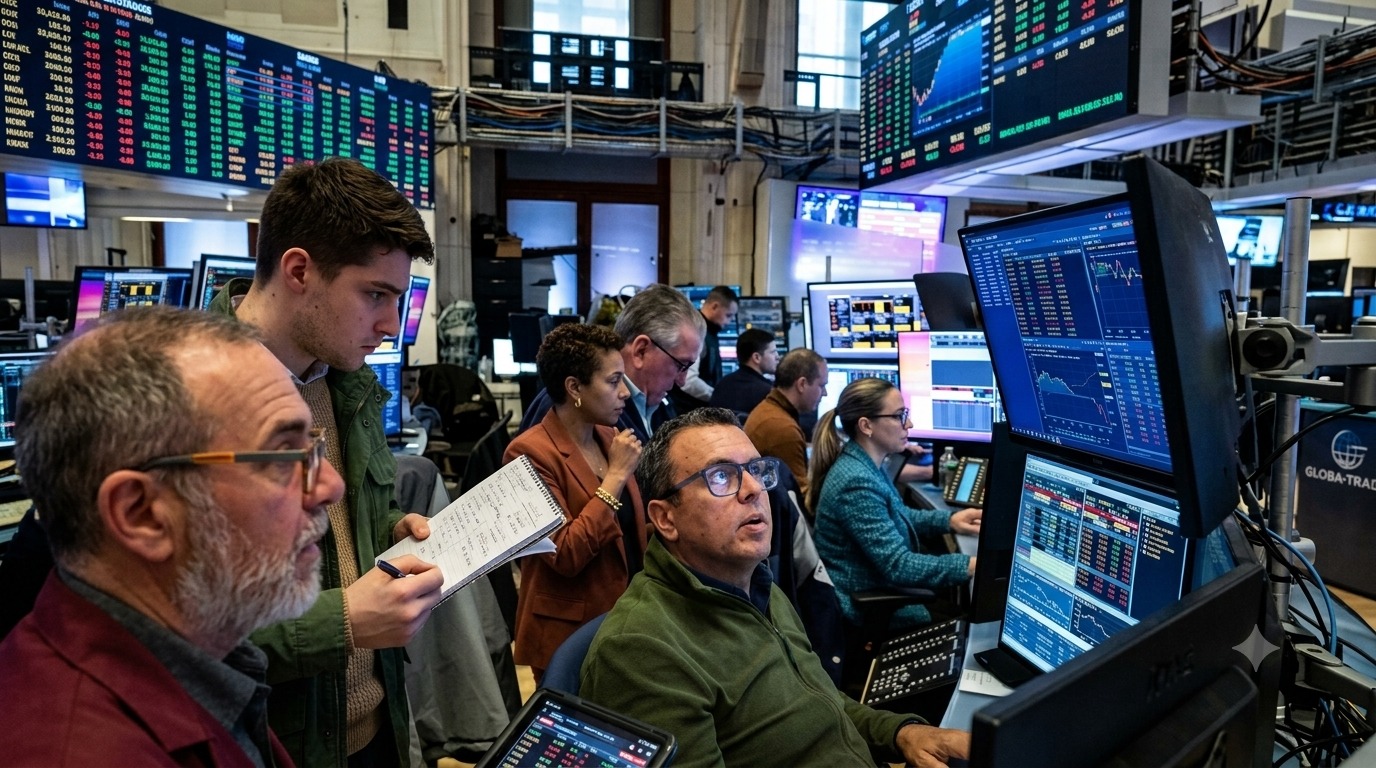
Financial markets have responded with periodic volatility as investors assess the likelihood of sustained regional stability. Commodity prices, currency markets and transportation costs remain particularly sensitive to developments affecting energy production and trade routes.
Economists argue that geopolitical risk has become an increasingly important variable in corporate decision-making. Businesses are placing greater emphasis on resilience, operational flexibility and geographic diversification when evaluating future investments.
Governments have also intensified diplomatic coordination aimed at maintaining commercial stability and protecting international trade flows. However, business leaders say investment confidence will depend on sustained evidence that geopolitical tensions continue easing.
For executives, the current environment reinforces the importance of integrating geopolitical intelligence into strategic planning rather than treating political developments as isolated events.
As international markets continue navigating an increasingly fragmented geopolitical landscape, companies capable of adapting quickly to changing conditions are expected to maintain stronger long-term competitiveness.