Financial markets initially responded positively to indications of renewed diplomatic engagement, with energy prices stabilising and investor sentiment improving. However, corporate leaders remain cautious about the longer-term implications for trade, energy security and investment planning.
Executives across manufacturing, transportation and energy sectors say recent events have reinforced the importance of incorporating geopolitical risk into business strategy. Companies are increasingly evaluating exposure to regional instability, critical trade routes and commodity market volatility when making operational and investment decisions.
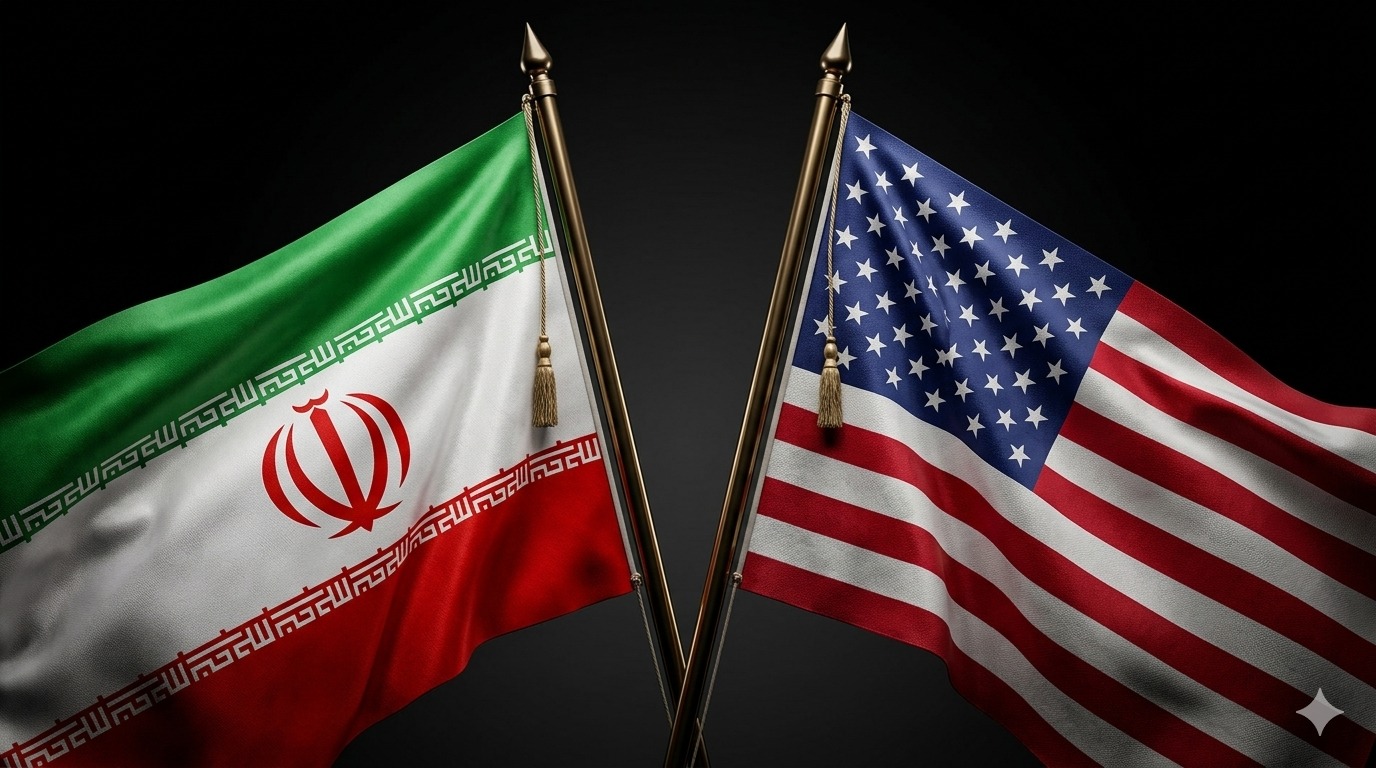
The broader concern extends beyond the immediate relationship between Washington and Tehran. Businesses are confronting a global environment characterised by rising geopolitical competition, shifting alliances and greater uncertainty surrounding international trade and security arrangements.
Analysts note that corporate risk assessments increasingly include geopolitical considerations that were once viewed primarily as government concerns. Decisions regarding supply chains, capital allocation and market expansion now routinely incorporate political and security factors.
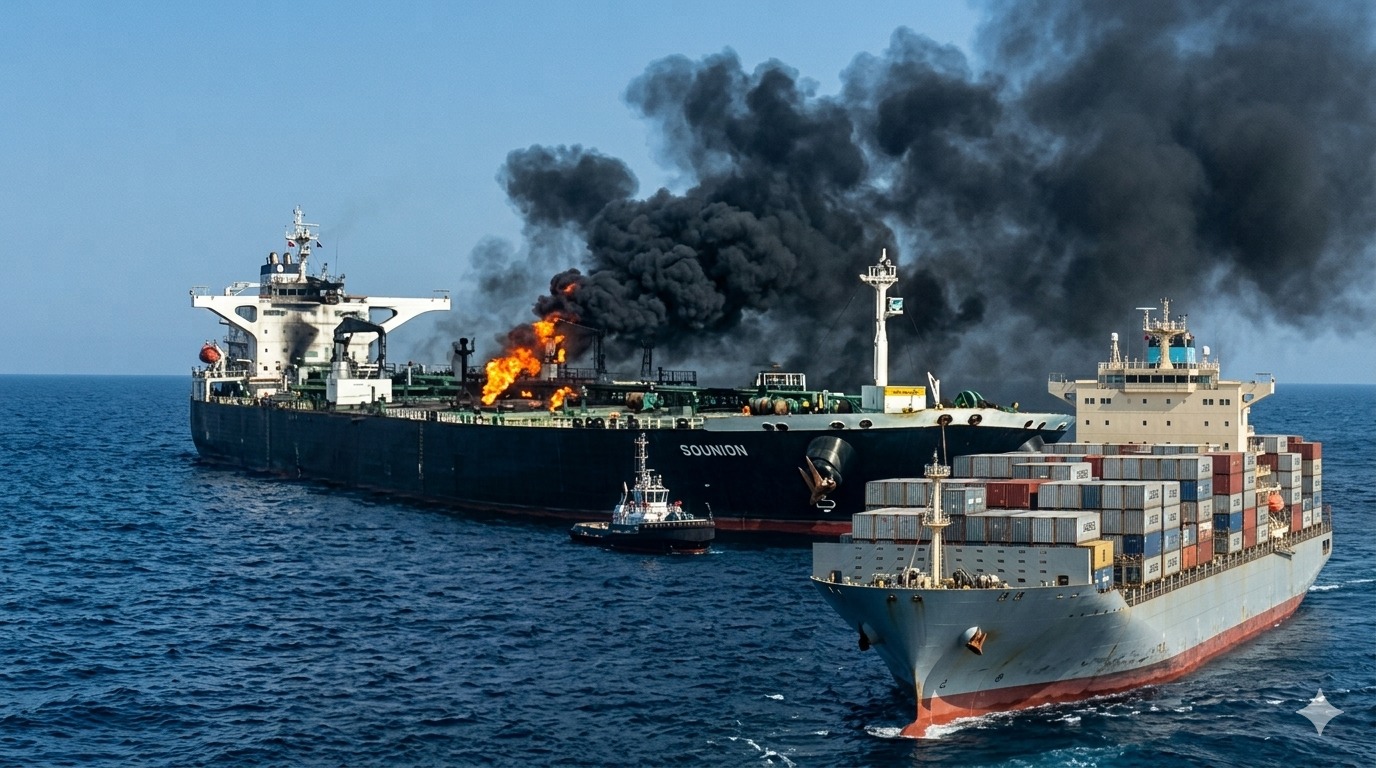
For energy markets, the situation remains particularly significant. Even temporary disruptions can influence fuel prices, transportation costs and inflation expectations, creating ripple effects throughout the global economy.
Investors are also paying close attention to the diplomatic process. While reduced tensions may improve market sentiment in the near term, questions remain regarding the durability of any agreements and the potential for future instability.
Economists argue that geopolitical risk has become a structural feature of the global economy rather than a periodic disruption. Businesses that successfully adapt to this reality may be better positioned to navigate future uncertainties.
For policymakers, the challenge is maintaining diplomatic momentum while supporting economic stability. For business leaders, the lesson is increasingly clear: geopolitical developments are no longer peripheral issues but central variables shaping investment, growth and long-term competitiveness.