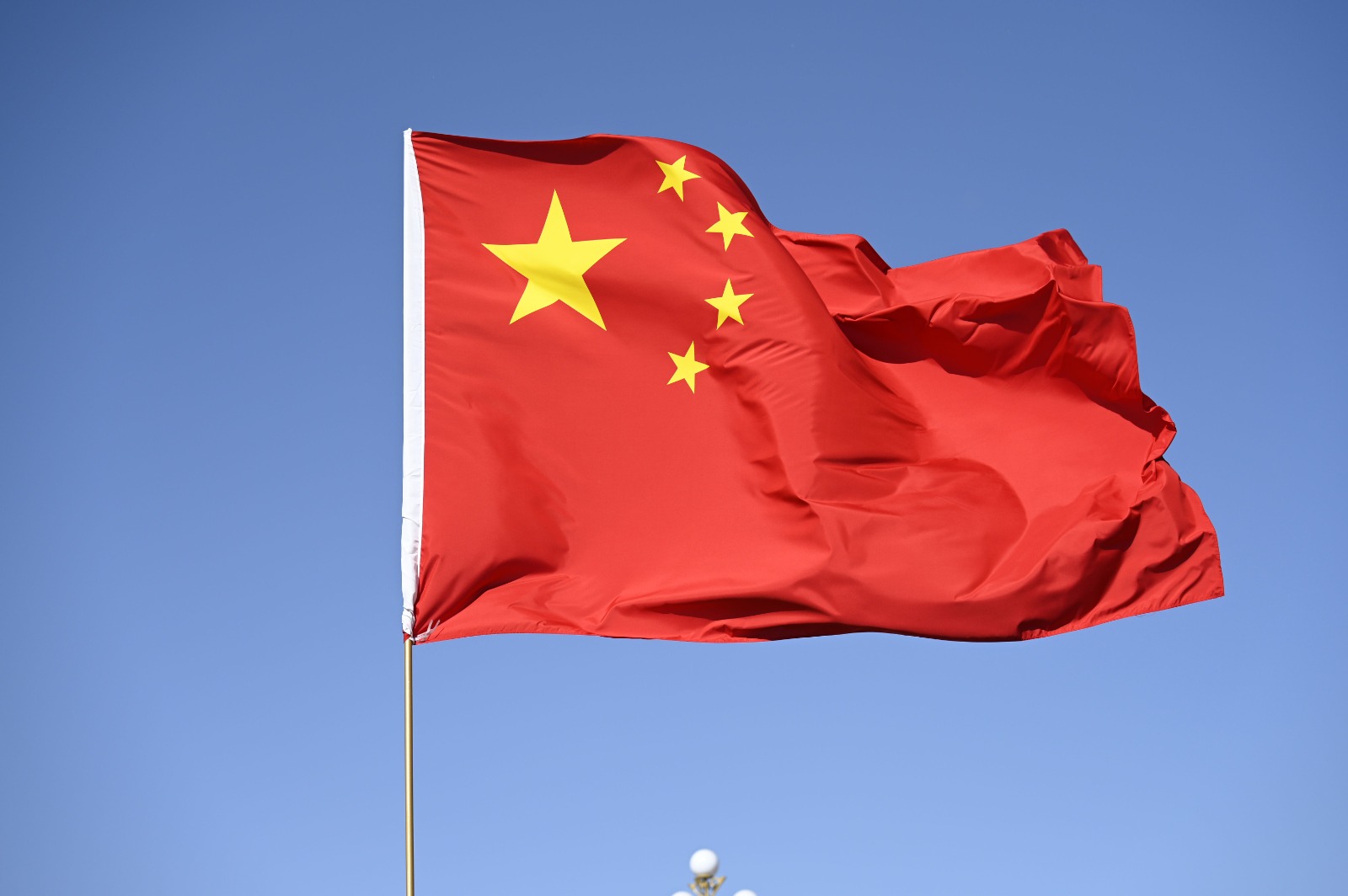
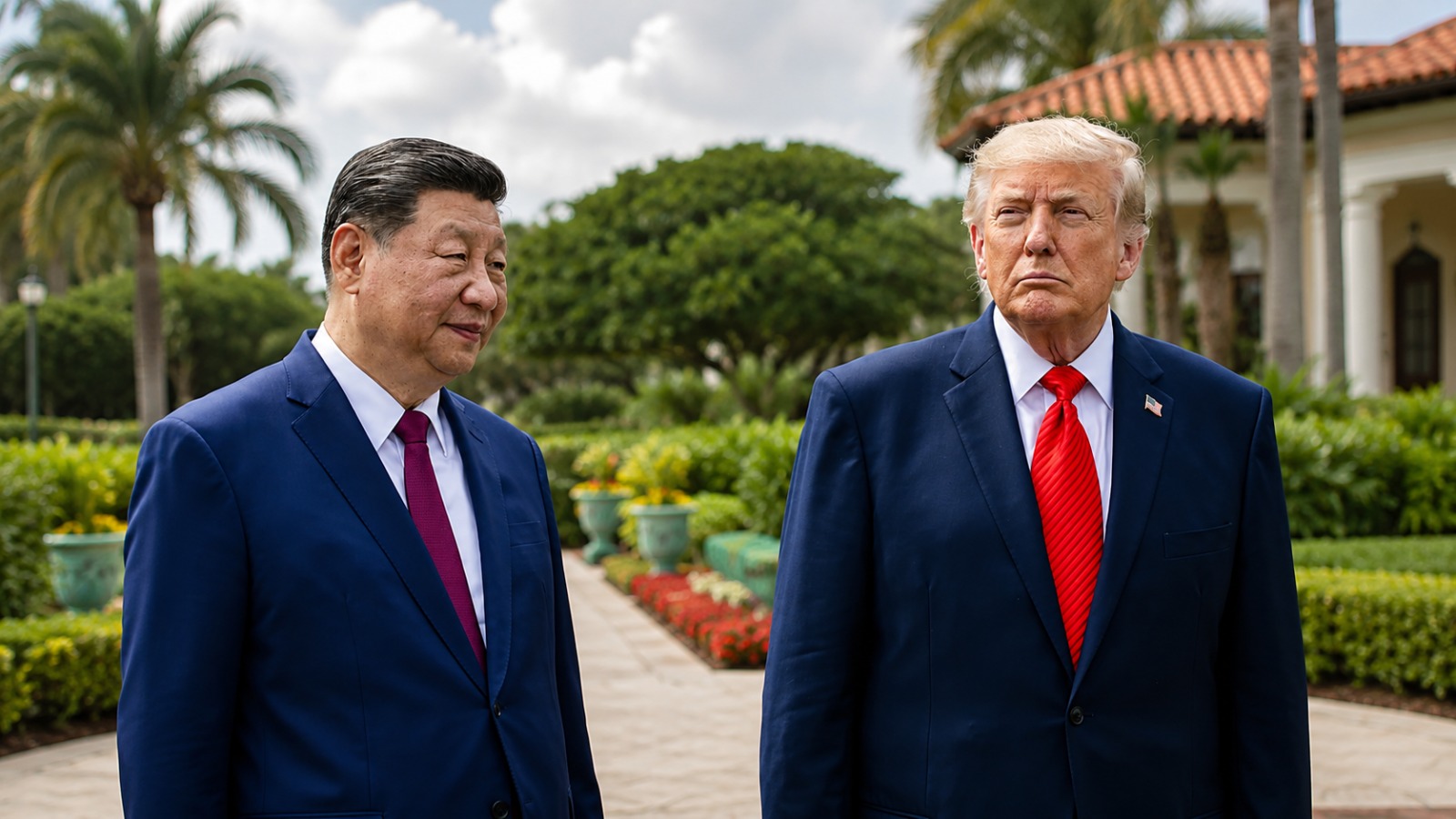
The discussions come amid intensifying global competition in artificial intelligence, where leadership increasingly depends on semiconductor manufacturing, cloud infrastructure, data governance and advanced research capabilities. While strategic rivalry remains a defining feature of the relationship, officials from both countries have acknowledged the need for greater engagement on issues including AI safety, technical standards and responsible development.
Technology executives view the discussions as a potentially significant step towards reducing regulatory uncertainty surrounding cross-border innovation. Greater policy coordination could support international investment, strengthen research collaboration and provide businesses with clearer expectations regarding future governance frameworks.
Artificial intelligence has become a major driver of global capital expenditure, with governments and private investors committing hundreds of billions of dollars to computing infrastructure, advanced semiconductors and digital ecosystems. As competition accelerates, regulatory clarity is becoming increasingly important for companies making long-term investment decisions.
Industry analysts note that the AI race is no longer defined solely by technological breakthroughs. Increasingly, it is shaped by access to energy, specialised talent, secure supply chains and stable regulatory environments capable of supporting sustained innovation.
The dialogue also reflects growing recognition that artificial intelligence presents opportunities and risks extending beyond national borders. Cybersecurity, financial systems, healthcare, manufacturing and critical infrastructure are all becoming increasingly dependent on AI-powered technologies.
Investors responded cautiously to the developments, viewing diplomatic engagement as a positive signal while recognising that strategic competition between the world's two largest economies is likely to continue. Companies operating across international markets remain focused on navigating export controls, technology regulations and evolving investment rules.
For policymakers, the challenge lies in balancing national security with continued innovation and economic growth. For businesses, the outcome of these discussions may influence investment priorities, technology partnerships and the future direction of one of the most consequential industries shaping the global economy.