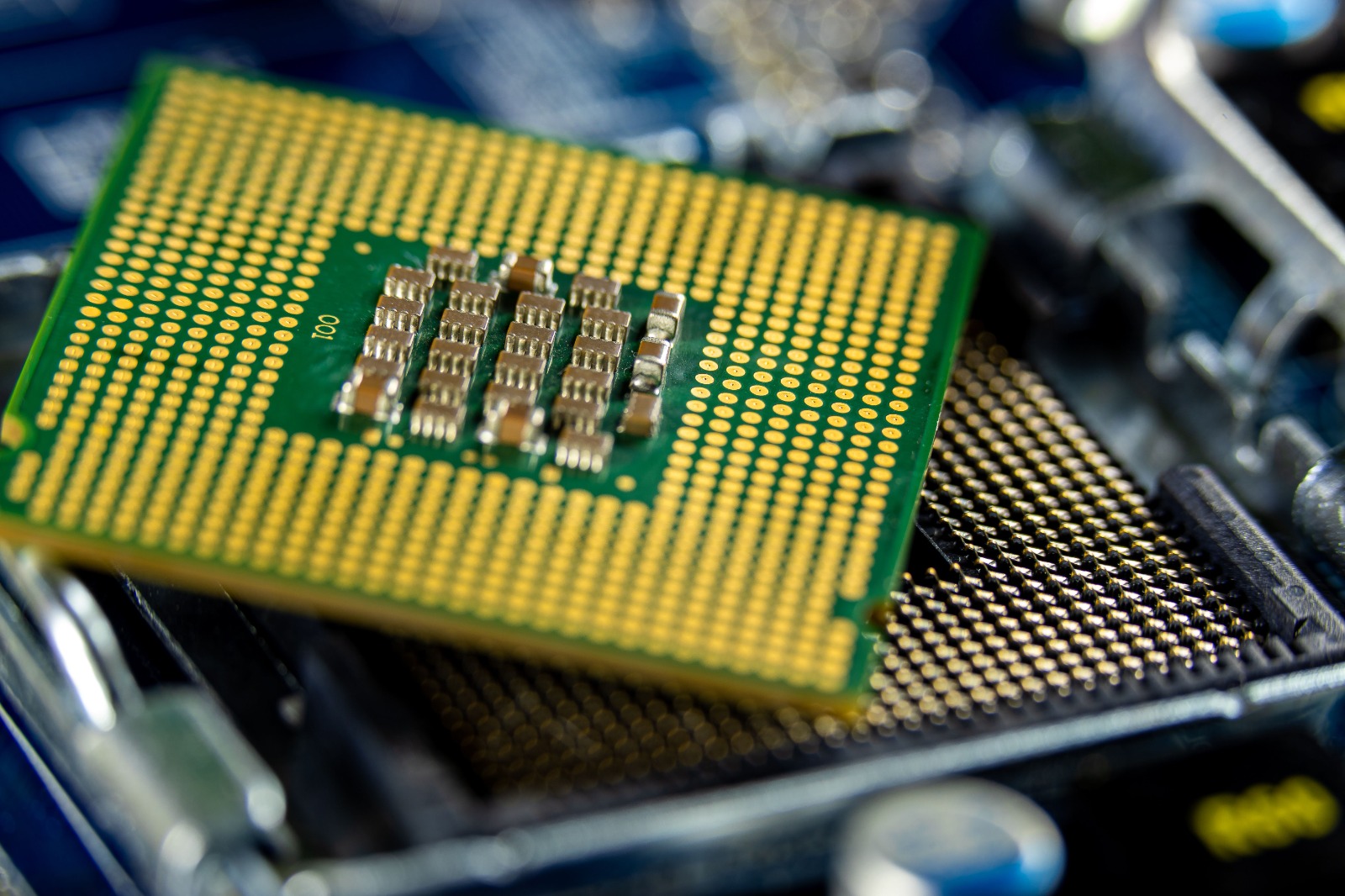
OpenAI said it is working with Samsung on next-generation chips, although it did not disclose the technical specifications or commercial structure of the programme. The cooperation adds to a growing network of relationships involving chip manufacturers, memory suppliers and AI developers.
The development comes as OpenAI seeks greater control over the infrastructure required to operate increasingly sophisticated AI models. The company has already been working with Broadcom on its first internally designed AI chip, known as Jalapeno, which is expected to be manufactured by Taiwan Semiconductor Manufacturing Company.
OpenAI’s strategy reflects a wider industry trend. The enormous computing requirements of advanced AI models have made access to processors and high-bandwidth memory a strategic constraint, encouraging major technology companies to become more involved in chip architecture and supply-chain planning.
Samsung and SK Hynix have also signed letters of intent to provide memory chips for OpenAI’s Stargate data-centre project. That relationship gives South Korea an increasingly important role in OpenAI’s infrastructure expansion.
OpenAI is simultaneously expanding the use of its models in chip design itself. Chief Financial Officer Sarah Friar said the company used its own AI systems during development of Jalapeno and reached the tape-out stage within nine months. The company is positioning AI-assisted chip design as part of a wider enterprise strategy covering financial services, life sciences and specialised industrial applications.
The significance extends beyond OpenAI and Samsung.
As AI companies become involved in semiconductor design, the traditional boundaries between model developers, cloud providers and chipmakers are becoming less distinct. The industry is moving towards vertically integrated ecosystems in which software, silicon, memory, data centres and energy are increasingly coordinated.
That could reshape competitive dynamics across the semiconductor sector. Nvidia remains a dominant force, but major cloud and AI companies are pursuing alternative architectures to control costs and reduce dependence on external suppliers.
For Samsung, deeper cooperation with OpenAI provides exposure to one of the fastest-growing segments of technology demand. For OpenAI, the partnership provides access to semiconductor expertise and supply-chain capacity.
The strategic contest is therefore moving downstream and upstream simultaneously.
The next phase of the AI race may be determined not only by who develops the strongest models, but by who can secure the chips, memory, manufacturing capacity and energy required to run them at global scale.