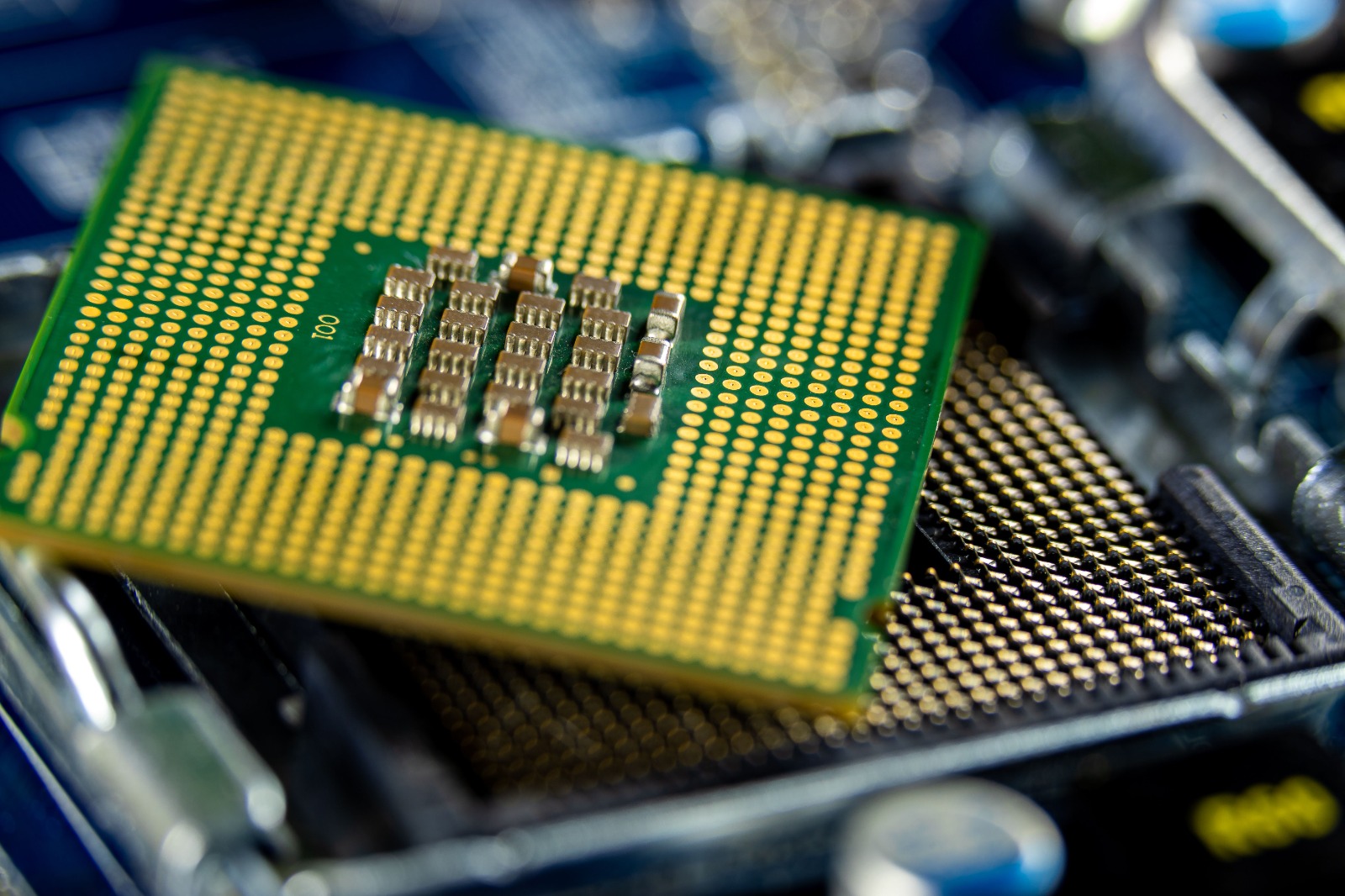
At the SEMICON Taiwan trade show, Taiwanese officials presented the island as a reliable democratic supplier of advanced chips while signalling a willingness to expand manufacturing and investment partnerships overseas. Taiwan is home to companies such as TSMC, whose processors are central to the global AI infrastructure build-out.
The strategy reflects a changing structure in semiconductor manufacturing. For decades, Taiwan's competitive advantage was concentrated in its domestic production ecosystem. Governments are now encouraging chipmakers to establish manufacturing capacity closer to strategic markets in response to geopolitical tensions, supply-chain vulnerabilities and national-security concerns.
TSMC is investing heavily in Arizona, with its planned US investment reaching $265 billion. Taiwanese companies are also discussing additional investment of around $20 billion in the United States, according to Taiwan's economy minister.
The United States is simultaneously considering semiconductor tariffs for companies that do not manufacture chips domestically. That policy pressure is encouraging Taiwanese manufacturers to rethink how they distribute production while attempting to preserve the specialised industrial ecosystem that has made Taiwan a global semiconductor centre.
Foxconn Chairman Young Liu said companies increasingly need to think about making products “with Taiwan” rather than simply “in Taiwan”, reflecting the industry's shift towards geographically diversified production.
Europe is pursuing a similar strategy. The European Union used SEMICON Taiwan to promote its Chips Act 2.0 and encourage Taiwanese companies to increase investment within Europe.
For investors, the development signals that semiconductor competition is becoming increasingly linked to government policy. Decisions on factory locations will no longer depend solely on labour costs, infrastructure and market access. Tariffs, subsidies, export controls and geopolitical alignment are becoming equally important determinants of capital allocation.
The transition could also increase costs across the semiconductor industry. Duplicating advanced manufacturing capacity across multiple regions requires substantial investment, while companies must maintain access to specialised engineers, suppliers and advanced equipment.
Taiwan's approach therefore represents a balancing act: expanding international manufacturing networks without undermining the domestic ecosystem that supports its competitive advantage.
What to watch: Investors will monitor new semiconductor investment commitments in the United States and Europe, tariff policy, TSMC's overseas expansion and Taiwan's efforts to strengthen technology partnerships. The distribution of AI-related semiconductor capacity will increasingly shape the strategic structure of the global technology industry.