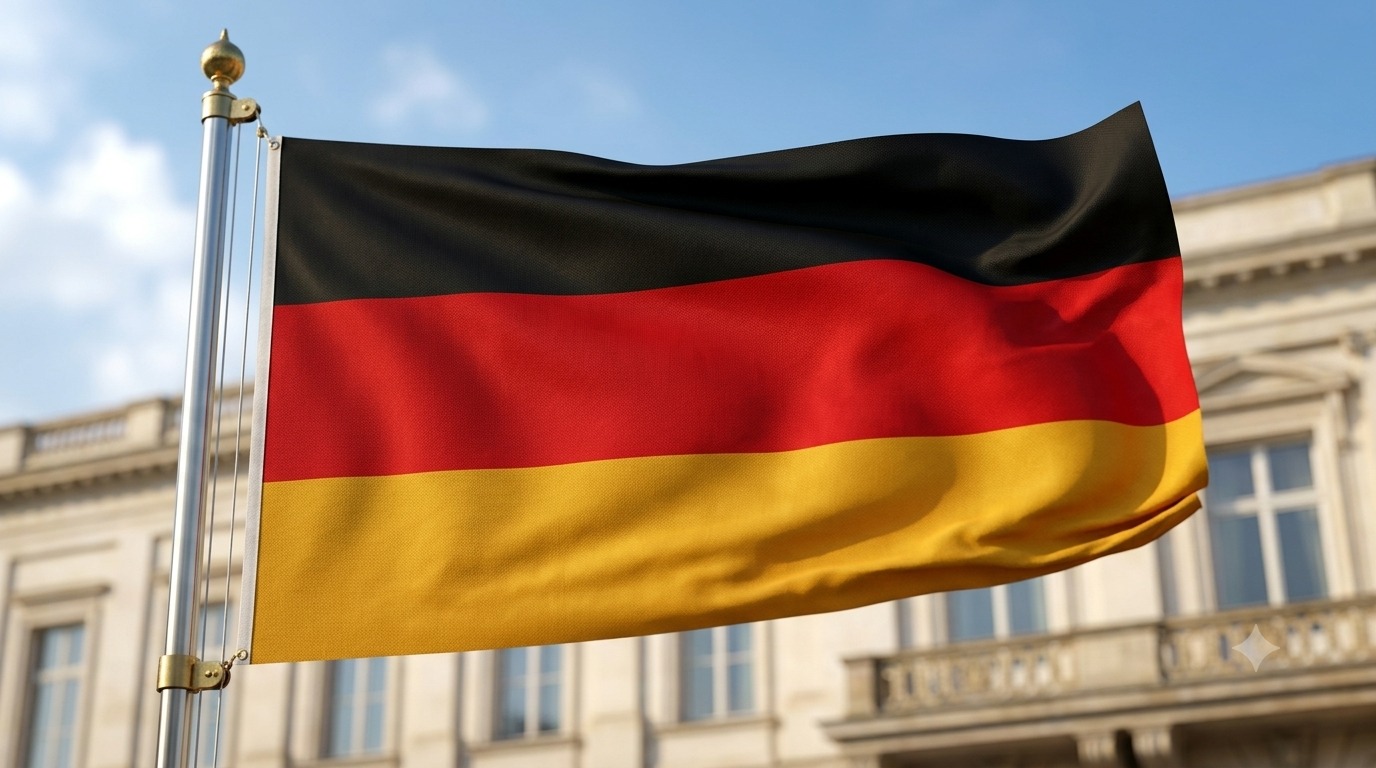
Voting began on Sunday in the eastern German state, with the AfD seeking a breakthrough that would strengthen its argument that it is moving from protest movement to governing force.
The election has attracted national attention because established parties have ruled out forming coalitions with the AfD. Reuters reported that the centre-right CDU, Social Democrats, Greens and other established parties have rejected cooperation with the far-right party, while the AfD has said it intends to govern alone.
That creates an unusual political dynamic. Even if the AfD performs strongly, its ability to convert electoral support into government power could remain constrained by the coalition arithmetic and the refusal of other major parties to work with it.
Nevertheless, a strong result would carry national significance.
The AfD has increasingly positioned state elections in eastern Germany as stepping stones towards broader political influence. Party co-leader Alice Weidel previously described a victory in Saxony-Anhalt as part of a strategy for eventually achieving national power.
The outcome will therefore be closely monitored in Berlin and across European capitals.
A significant AfD advance could intensify pressure on Germany's mainstream parties to address concerns over migration, economic stagnation, regional inequality and political representation in eastern states. Conversely, a weaker-than-expected performance could slow the party's momentum and strengthen arguments that the German political centre remains resilient.
The economic implications should not be overlooked. Germany remains Europe's largest economy, and political uncertainty can influence business confidence, investment expectations and debates over fiscal and industrial policy.
For European policymakers, the election also represents a broader test of political fragmentation at a time when Germany is already dealing with weak industrial competitiveness, elevated energy costs and heightened geopolitical uncertainty.
Saxony-Anhalt may therefore be geographically distant from Berlin's political centre, but its result could have national consequences.
The immediate question is who wins the election. The larger strategic question is whether Germany's established political order can continue containing the rise of a party that has transformed itself from a marginal opposition force into a serious contender for executive power.