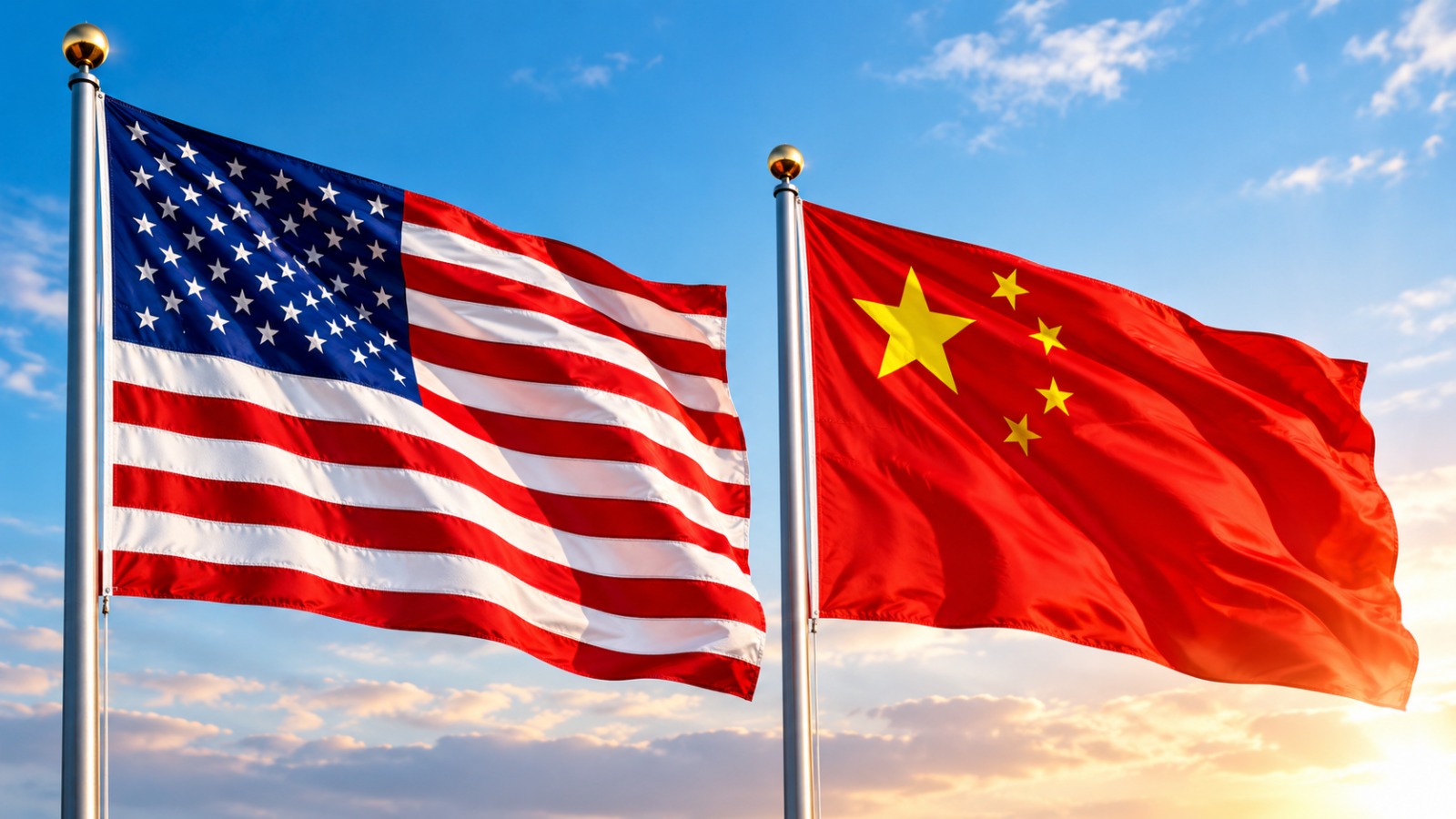
The US State Department said on Tuesday that the Trump administration opposed what it described as coercion and aggression against countries exercising their sovereign rights. The statement followed Beijing’s decision to sanction Belizean Foreign Minister Francis Fonseca and Paraguayan Communications Minister Gustavo Villate because of their governments’ relations with Taiwan.
Belize and Paraguay are among the 12 countries that maintain formal diplomatic relations with Taiwan. China regards the island as part of its territory and opposes actions that imply recognition of Taiwan as an independent state. Taiwan’s government rejects Beijing’s claim and maintains its own political institutions and international relationships.
The sanctions include restrictions on entry into China, the freezing of any assets the officials may hold there and prohibitions on Chinese individuals and organisations co-operating with them. Their direct economic effect is expected to be limited because officials from Taiwan’s diplomatic partners generally do not travel to China. Nevertheless, the measures carry political significance by signalling Beijing’s opposition to governments that maintain ties with Taipei.
Washington said it stood with its partners, including Taiwan, and cited concerns about China’s growing influence in Latin America and other parts of the region. The US has sought to maintain partnerships with governments that recognise Taiwan while opposing Beijing’s efforts to persuade those countries to switch diplomatic allegiance.
Taiwanese officials also criticised the sanctions. Deputy Foreign Minister Chen Ming-chi said China was extending pressure beyond Taiwan itself to governments and officials that support its international engagement. Premier Cho Jung-tai argued that Beijing had no right to interfere in the domestic affairs or diplomatic decisions of sovereign states.
China, meanwhile, urged Washington to stop sending what it considers the wrong signals to forces supporting Taiwanese independence. Beijing has previously used similar sanctions against foreign politicians who support Taiwan, although the measures have often been largely symbolic.
The dispute follows a longer campaign by China to reduce Taiwan’s remaining diplomatic partnerships. Several countries have switched recognition to Beijing in recent years, including Honduras in 2023 and Nauru in 2024.
For Belize and Paraguay, the sanctions place renewed attention on the diplomatic and strategic consequences of maintaining relations with Taiwan. For Washington and Beijing, the episode reinforces a wider contest over influence, sovereignty and international partnerships.
The dispute demonstrates how Taiwan’s diplomatic status continues to shape relations far beyond East Asia, drawing governments in the Americas into a broader geopolitical rivalry.