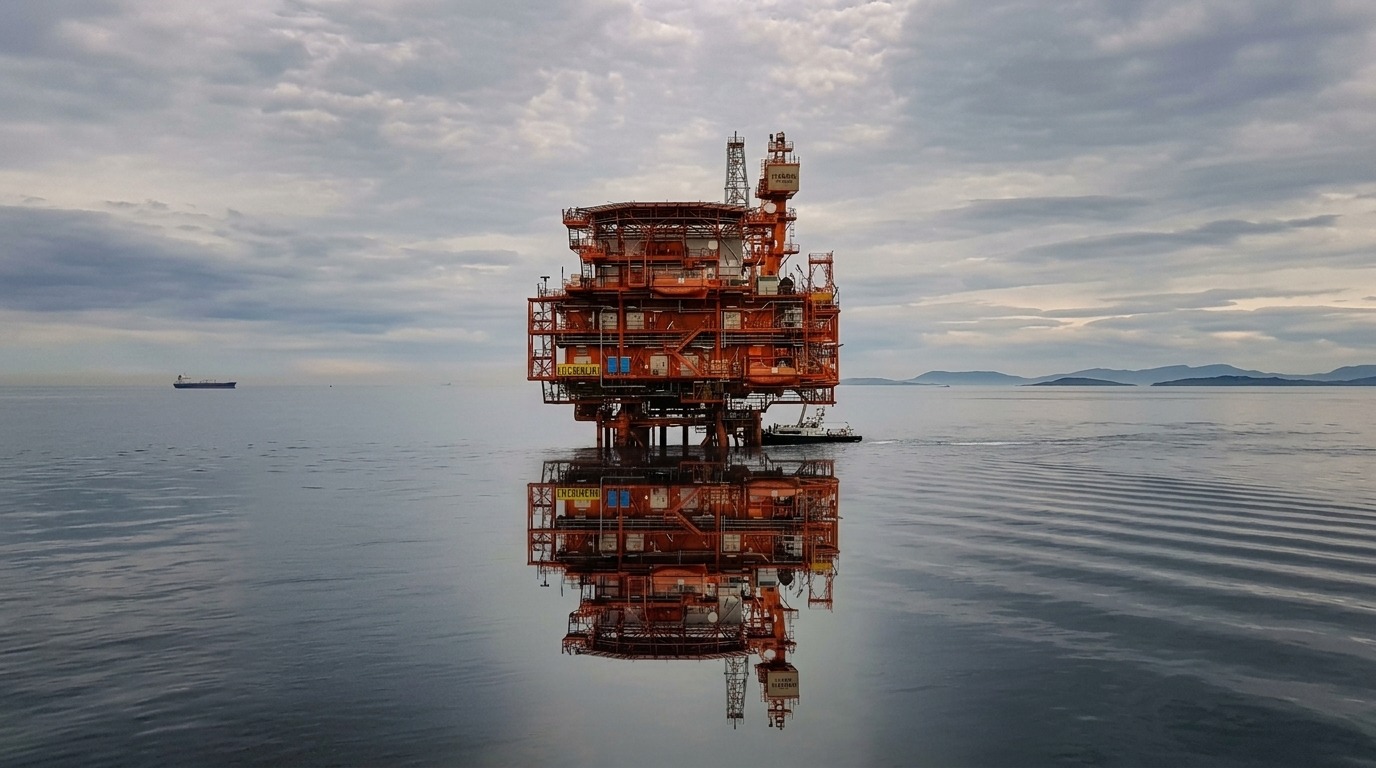
By Thursday, producers had shut in about 1.3 million barrels per day of oil production, equivalent to 62.9% of current output, according to the US Minerals Administration. The storm also prompted evacuations from offshore platforms, while operators monitored conditions before deciding when workers could safely return and facilities could resume operations.
Temporary shutdowns are a standard precaution when severe weather threatens offshore infrastructure. Operators must consider wind, wave conditions, power availability, transport access, and the integrity of platforms and pipelines. Even after the immediate storm threat recedes, inspections may be required before production can restart at full capacity.
The scale of the interruption matters because global oil markets are already responding to supply risks associated with the conflict involving Iran and threats to shipping routes in the Middle East. Brent crude fell on Friday after Trump said the United States would not attack Iran before November’s midterm elections, but traders remained cautious about assuming that the supply outlook had stabilised.
The effect of the hurricane on prices will depend on how long the shutdowns last and whether inspections identify damage that requires longer repairs. If facilities return quickly, the impact may be limited to a temporary reduction in output. Extended outages could tighten supplies and support prices, particularly if Middle Eastern disruptions persist at the same time.
Refineries and fuel exporters may also face logistical consequences from weather-related delays, even where facilities onshore avoid direct damage. Shipping schedules, port access and the movement of refined products can take time to normalise after severe weather.
For energy companies, the immediate priorities are worker safety, inspection and a controlled restart. For consumers and policymakers, the episode illustrates how weather events can amplify geopolitical shocks and make fuel prices more difficult to predict. The next clear indicator will be the pace at which operators restore production after completing safety checks.