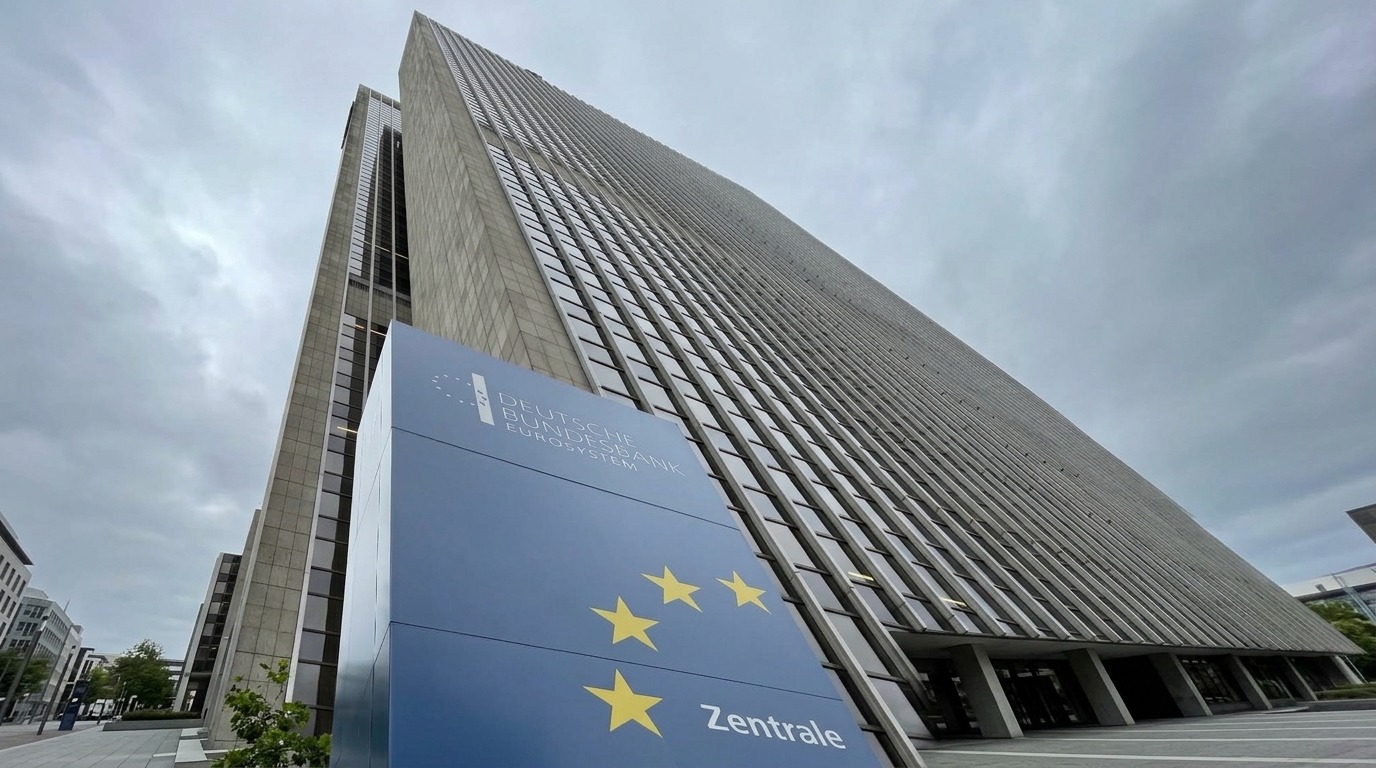
The Bundesbank said inflation would remain elevated for the time being after Germany's harmonised inflation rate reached 2.9% in August, up from 2.8% in July. Energy prices were a major contributor, with the bank highlighting higher fuel and refined oil costs, low gas inventories and the risk that increased energy expenses spread through the wider economy.
The central bank also expects healthcare reforms due to take effect in 2027 to temporarily add to inflation during the first half of next year. Changes to pharmacy supply rules introduced this year are also expected to contribute to higher prices.
At the same time, Europe's largest economy has lost momentum over the summer. The Bundesbank cited weaker exports and consumption as well as drought-related disruption, with economic output expected to have grown only slightly during the current quarter.
The combination creates a difficult environment for businesses and policymakers. Higher energy prices can increase production and transport costs while weakening household purchasing power, potentially limiting consumer demand. Manufacturers remain particularly exposed because Germany's industrial economy relies heavily on energy-intensive production and international trade.
The Bundesbank nevertheless expects economic activity to improve during the final quarter of the year. Manufacturing surveys have shown a brighter outlook, while fiscal support and infrastructure spending are expected to provide additional momentum.
The recovery remains conditional, however. The central bank said the outlook will depend partly on developments in the Middle East and the normalisation of water levels in important European waterways, both of which can affect energy supplies, logistics and industrial production.
For European markets, Germany's combination of persistent inflation and weak near-term growth will remain an important indicator of the region's broader economic resilience. Businesses are expected to continue monitoring energy costs, consumer demand and external trade conditions as they plan investment and production for the final months of the year.