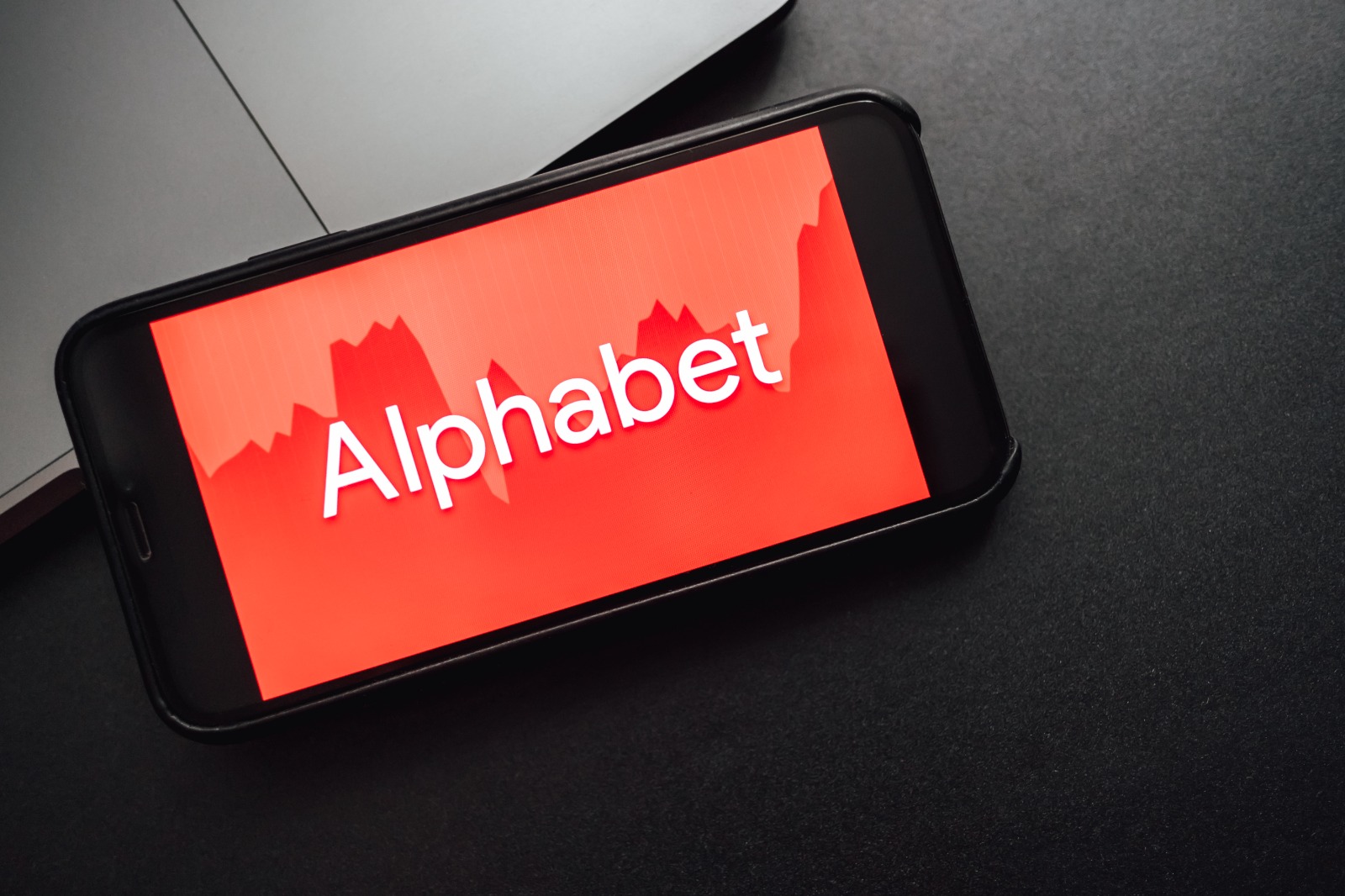
Alphabet shares fell nearly 10% in after-hours trading after its third-quarter results, despite strong growth in Google Cloud. Revenue reached $127.6 billion, below analysts' $128.2 billion estimate, while adjusted earnings per share of $2.67 missed forecasts of $3.02. Net income declined by 25% to $26.17 billion, according to Reuters.
Advertising, which remains central to Alphabet’s business model, also disappointed. Google search advertising revenue reached $82 billion, falling short of expectations by approximately $1.4 billion. Search revenue grew by 12% during the quarter, below the 14.7% increase analysts had anticipated.
The figures have raised concerns that artificial-intelligence tools could alter how users find information online, potentially challenging the economics of conventional search advertising. Alphabet has been integrating AI into its search products while investing heavily in computing infrastructure and its own models, but monetisation of emerging AI-driven experiences remains an important question for investors.
The company’s spending is already placing pressure on cash generation. Alphabet recorded negative free cash flow of approximately $9.1 billion, reflecting the financial demands of its AI and cloud expansion. Management has also indicated that capital expenditure will increase substantially in 2027, following projected spending of $195 billion to $205 billion this year.
Google Cloud provided a counterpoint, with quarterly revenue more than doubling to $30.71 billion, exceeding market expectations. Its performance indicates that demand for AI-related computing and cloud services remains strong, although growth in that division has yet to eliminate concerns about the group’s overall investment burden.
The market reaction reflects a changing standard for technology companies. Investors are increasingly distinguishing between businesses able to finance AI development through operating cash flow and those whose spending threatens near-term financial flexibility.
For Alphabet, the challenge is to demonstrate that its investment can strengthen its core search business while building profitable new revenue streams. Future results will be judged not only on AI adoption and infrastructure expansion, but also on cash generation, advertising resilience and evidence of sustainable returns.