TSMC said net profit for the three months to 30 September rose nearly 69% year on year to NT$763.06 billion, equivalent to approximately $23.55 billion. The result exceeded the LSEG analyst estimate of NT$746.3 billion and marked the company’s sixth consecutive quarter of record profit. Revenue increased by 50% to NT$1.49 trillion, reflecting continued demand for advanced semiconductor production.
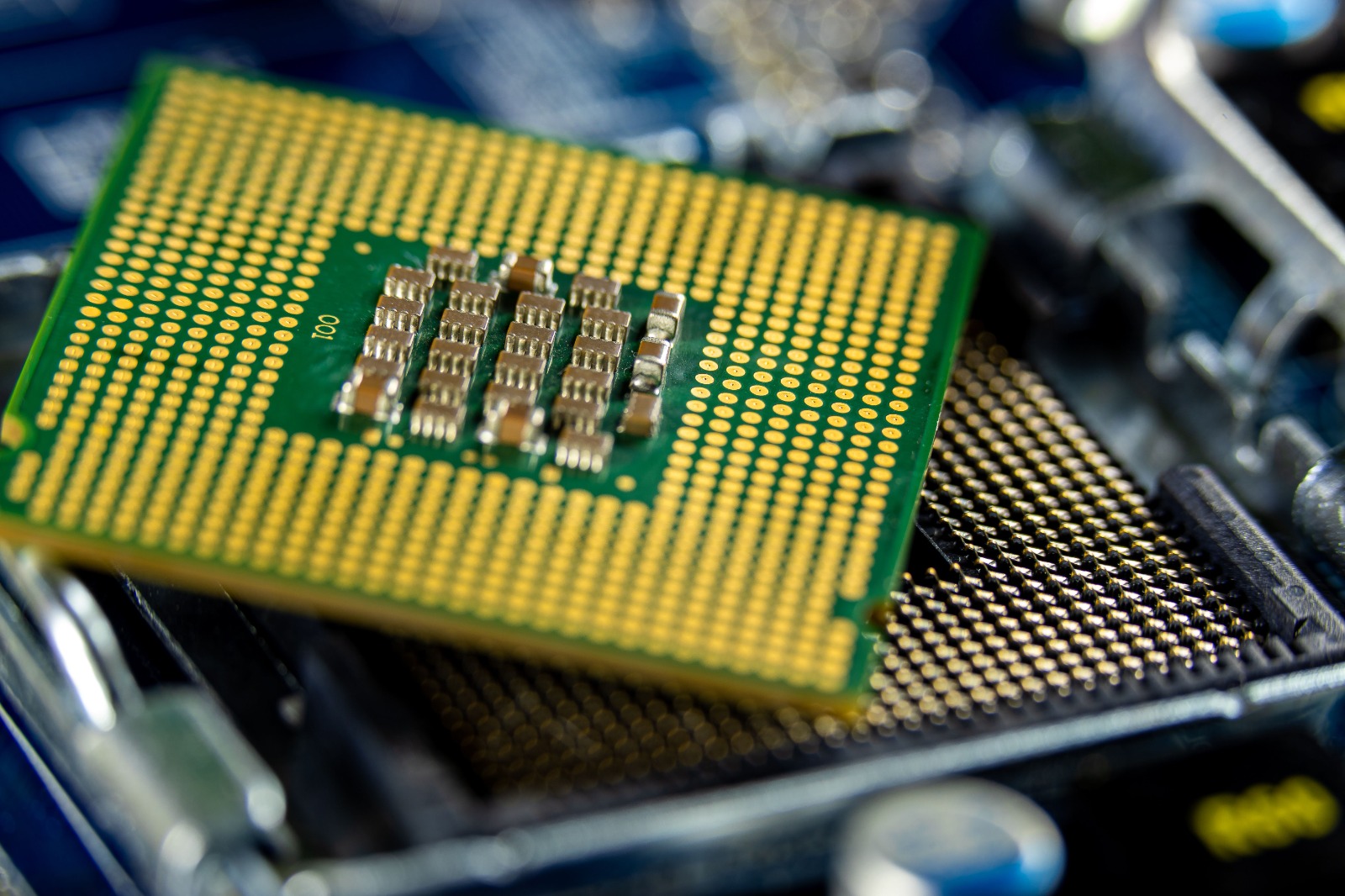
The results underline the importance of semiconductor manufacturing to the expansion of AI infrastructure. Technology companies developing generative AI and other advanced computing systems require increasingly powerful processors, placing pressure on chipmakers to increase output while maintaining production quality and technological leadership.
TSMC manufactures advanced chips for major technology companies, including Nvidia and Apple. Its position in the semiconductor supply chain makes its financial performance an important indicator of demand for high-performance computing components.
The company’s earnings growth comes as technology investors reassess valuations across the sector. Despite TSMC’s strong results, shares linked to AI infrastructure have faced pressure amid expectations of higher US interest rates and concerns about the amount of debt required to finance data-centre expansion. Strong operating performance has therefore not insulated the wider industry from market volatility.
The company’s performance also illustrates the uneven distribution of returns from the AI investment boom. Chipmakers with advanced manufacturing capabilities can benefit directly from rising demand for high-end processors, while companies further along the infrastructure chain may face greater exposure to financing costs, electricity requirements and uncertainty over future revenue.
However, continued growth will depend on whether demand remains strong enough to support the industry’s substantial capital requirements. Semiconductor production involves expensive facilities, specialised equipment and long investment cycles, leaving manufacturers exposed to shifts in customer spending, trade restrictions and geopolitical tensions.
TSMC’s latest results provide evidence that AI-related demand continues to generate substantial earnings for leading chip manufacturers. The broader market challenge is determining whether these profits can be sustained as competition, capacity expansion and the cost of financing reshape the technology sector.