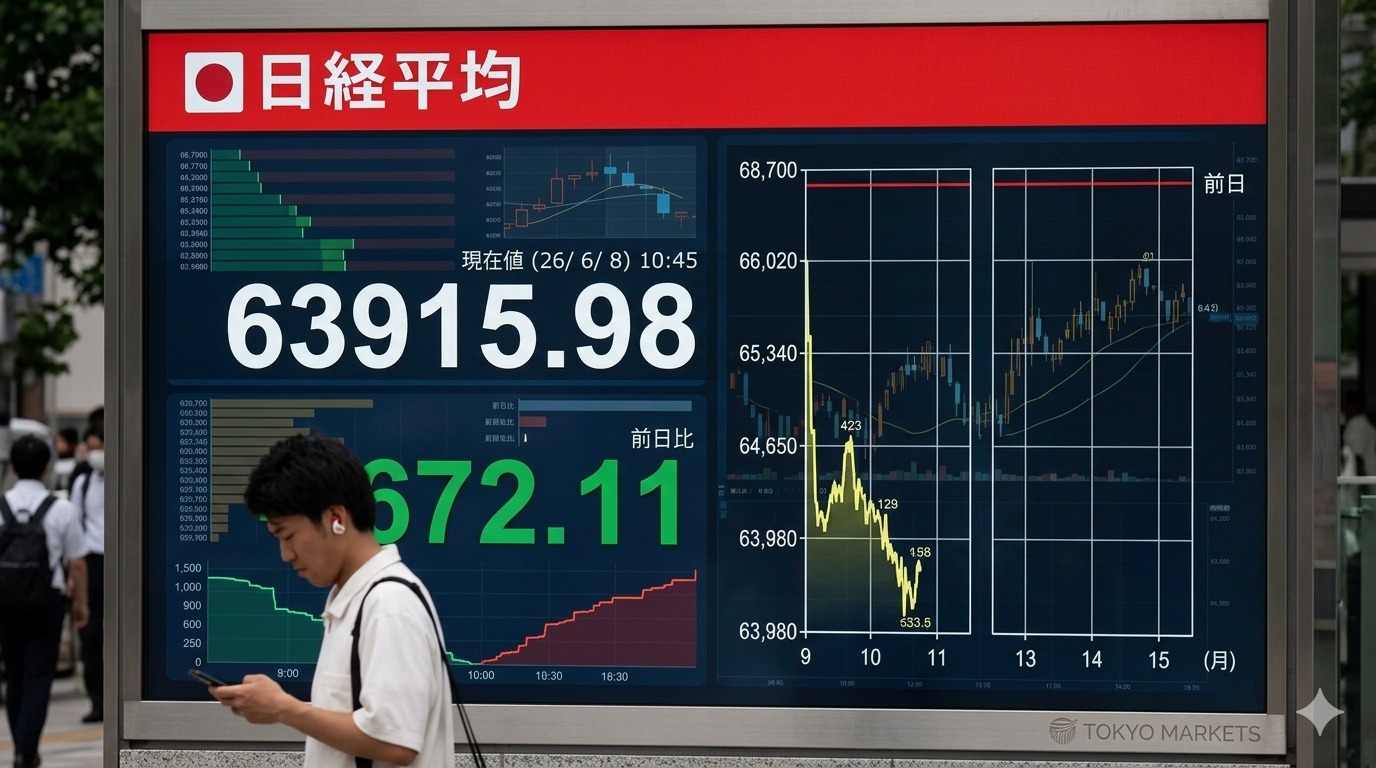
The pullback comes after months of substantial gains across global technology markets, where companies associated with AI infrastructure, computing power and advanced software attracted significant investor interest. Analysts say valuations in some segments had risen faster than underlying earnings growth, leaving stocks vulnerable to shifts in sentiment.
Investors are increasingly examining whether projected spending on AI infrastructure will translate into expected revenue growth and profitability. While long-term demand for artificial intelligence remains widely supported, questions are emerging around timelines, capital expenditure requirements and competitive pressures.
The decline in technology stocks also coincides with broader concerns about global interest rates. Higher borrowing costs generally reduce the attractiveness of high-growth sectors because future earnings become less valuable when discounted against elevated yields.
Market participants say the current selloff reflects a reassessment rather than a rejection of AI's long-term economic potential. Businesses across industries continue investing heavily in automation, data infrastructure and machine-learning capabilities as they seek productivity gains and operational efficiency.
The correction nevertheless highlights the growing importance of distinguishing between technological opportunity and market valuation. Investors are increasingly demanding evidence of sustainable earnings growth rather than relying solely on expectations of future disruption.
For Asian economies with significant exposure to semiconductor manufacturing and technology exports, market volatility may have broader implications for investor confidence and capital allocation decisions.
What investors will watch next is whether earnings reports, corporate guidance and technology spending data support continued optimism around artificial intelligence or reinforce concerns that parts of the sector have moved ahead of fundamentals.