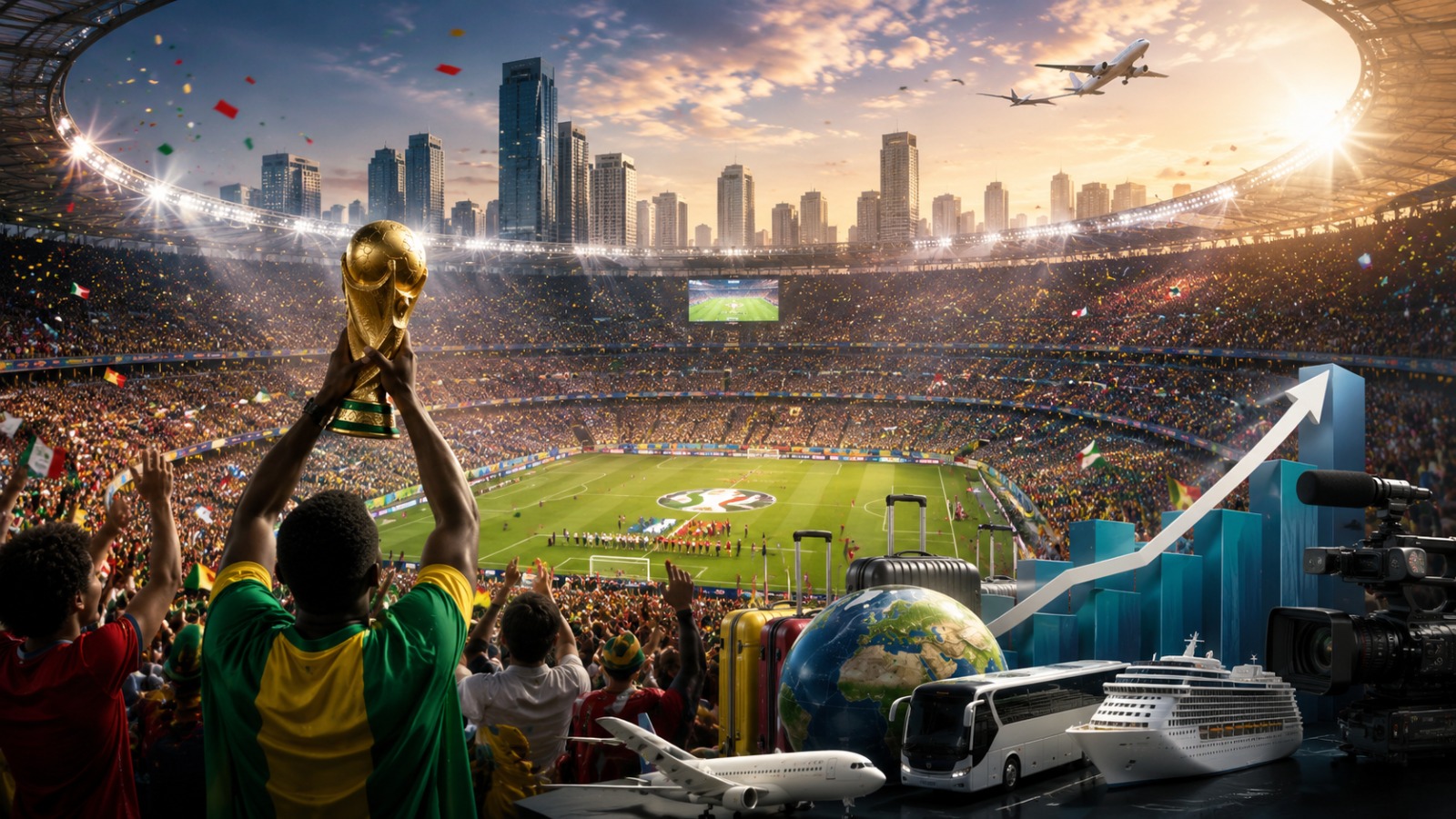
Economists and industry analysts project significant increases in visitor spending, with hotels, airlines, restaurants and entertainment venues expected to benefit from increased demand throughout the tournament period.
The event also presents substantial opportunities for broadcasters, sponsors and consumer brands seeking access to a global audience. Marketing expenditures linked to the tournament are projected to reach record levels as companies compete for visibility during one of the most-watched events in international sports.
Host governments have invested heavily in infrastructure, transportation upgrades and event logistics aimed at supporting tourism and long-term economic development. Officials argue that these investments will continue delivering benefits after the tournament concludes.
Beyond direct spending, the World Cup is expected to contribute to employment growth in sectors including hospitality, security, transportation and event management. Small businesses in host regions are also positioning themselves to capture increased consumer demand.
However, economists caution that long-term economic benefits depend on effective planning and post-event utilisation of infrastructure assets. Previous international sporting events have produced mixed outcomes depending on how investments were integrated into broader development strategies.
For investors and businesses, the tournament represents more than a sporting event. It serves as a major commercial platform capable of influencing consumer behaviour, tourism flows and brand engagement across global markets.
As matches begin, attention will extend beyond the pitch to the broader economic impact of a tournament increasingly viewed as both a sporting spectacle and a significant business event.