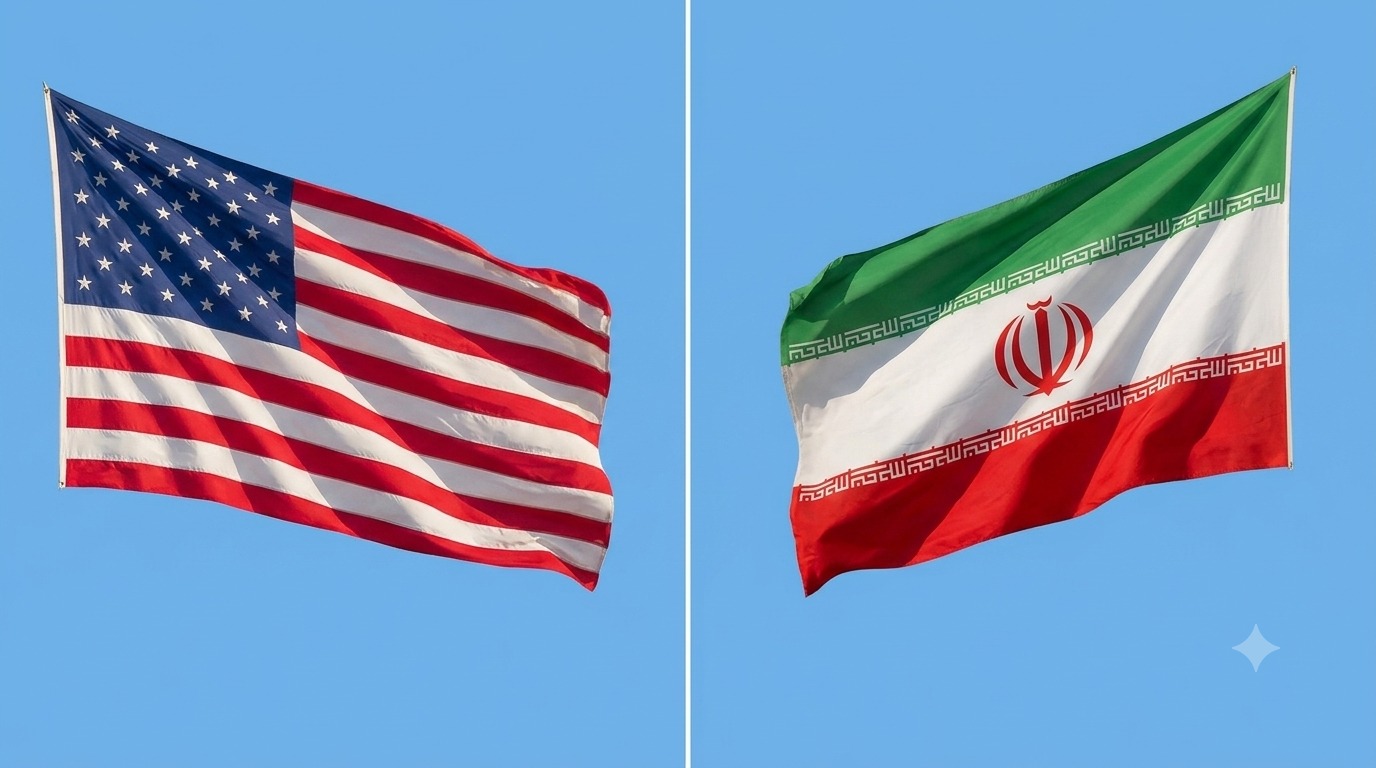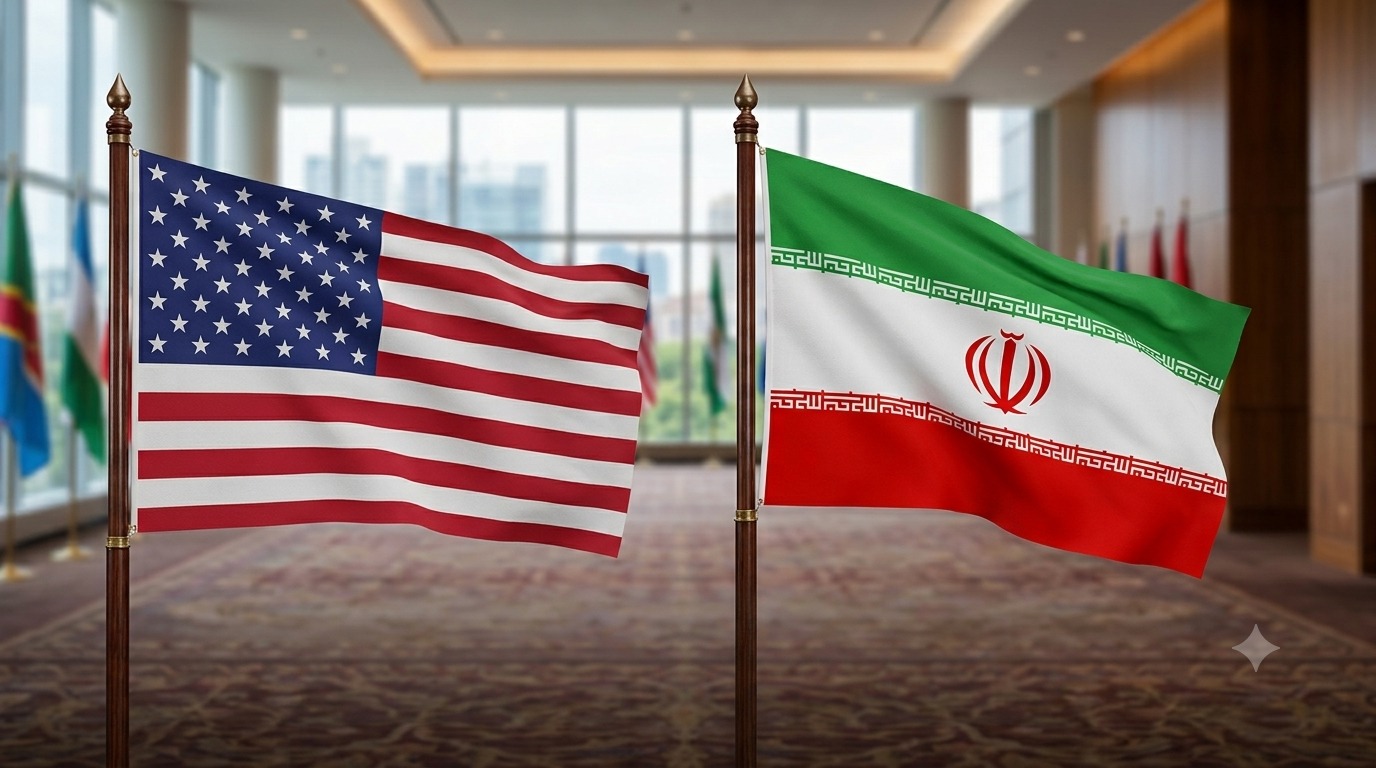
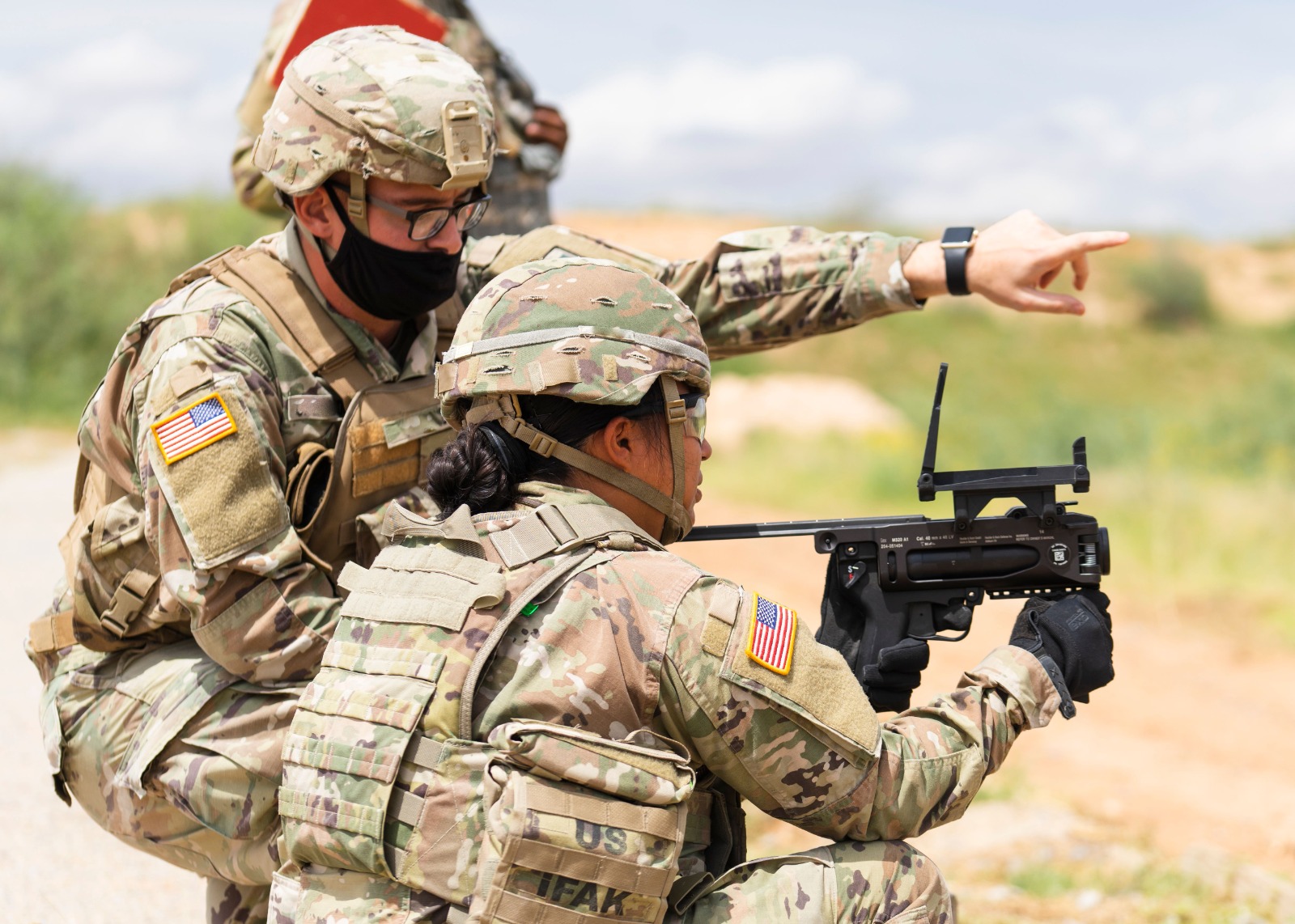
According to Reuters, the latest escalation has heightened concerns over regional stability, with financial markets responding cautiously as investors weighed the potential consequences for global oil supplies, maritime security and broader economic confidence. Although no significant disruption to commercial energy exports has been confirmed, the renewed tensions have increased the geopolitical risk premium across commodity and financial markets.
The developments come at a time when businesses are already navigating elevated borrowing costs, fragile supply chains and slowing economic growth in several advanced economies. For multinational companies with operations spanning manufacturing, logistics, aviation and international trade, prolonged instability in the Middle East could increase transportation costs, insurance premiums and operational uncertainty, reinforcing the need for more resilient supply-chain strategies.
The Strait of Hormuz, through which a significant proportion of the world's seaborne crude oil passes, remains central to market attention. While shipping activity has continued without major interruption, businesses and investors are closely monitoring the region for signs that military developments could affect commercial navigation or critical energy infrastructure.
Beyond energy markets, the geopolitical environment is influencing broader corporate decision-making. Companies are increasingly incorporating geopolitical risk assessments into capital allocation, procurement strategies and investment planning. The trend reflects a wider shift in boardroom priorities, where resilience, diversification and operational flexibility are becoming as important as cost efficiency in determining long-term competitiveness.
Financial markets have also become more sensitive to geopolitical developments. Equity investors are reassessing exposure to sectors vulnerable to higher energy costs, while demand for traditional safe-haven assets has strengthened as institutions seek protection against heightened uncertainty. Analysts note that geopolitical developments are now exerting a greater influence on asset allocation than in previous years, reflecting growing concerns over global fragmentation and strategic competition.
For policymakers, the latest developments reinforce the importance of diplomatic engagement alongside efforts to strengthen energy resilience and economic stability. Governments across Europe, Asia and North America continue to monitor the situation closely, recognising that sustained regional instability could have implications extending well beyond the Middle East.
What to Watch Next
Market participants will monitor official statements from Washington, Tehran and regional governments, alongside developments affecting maritime security, oil exports and diplomatic engagement. Investors will also assess whether prolonged geopolitical tensions begin influencing inflation expectations, central bank policy and global corporate investment decisions.