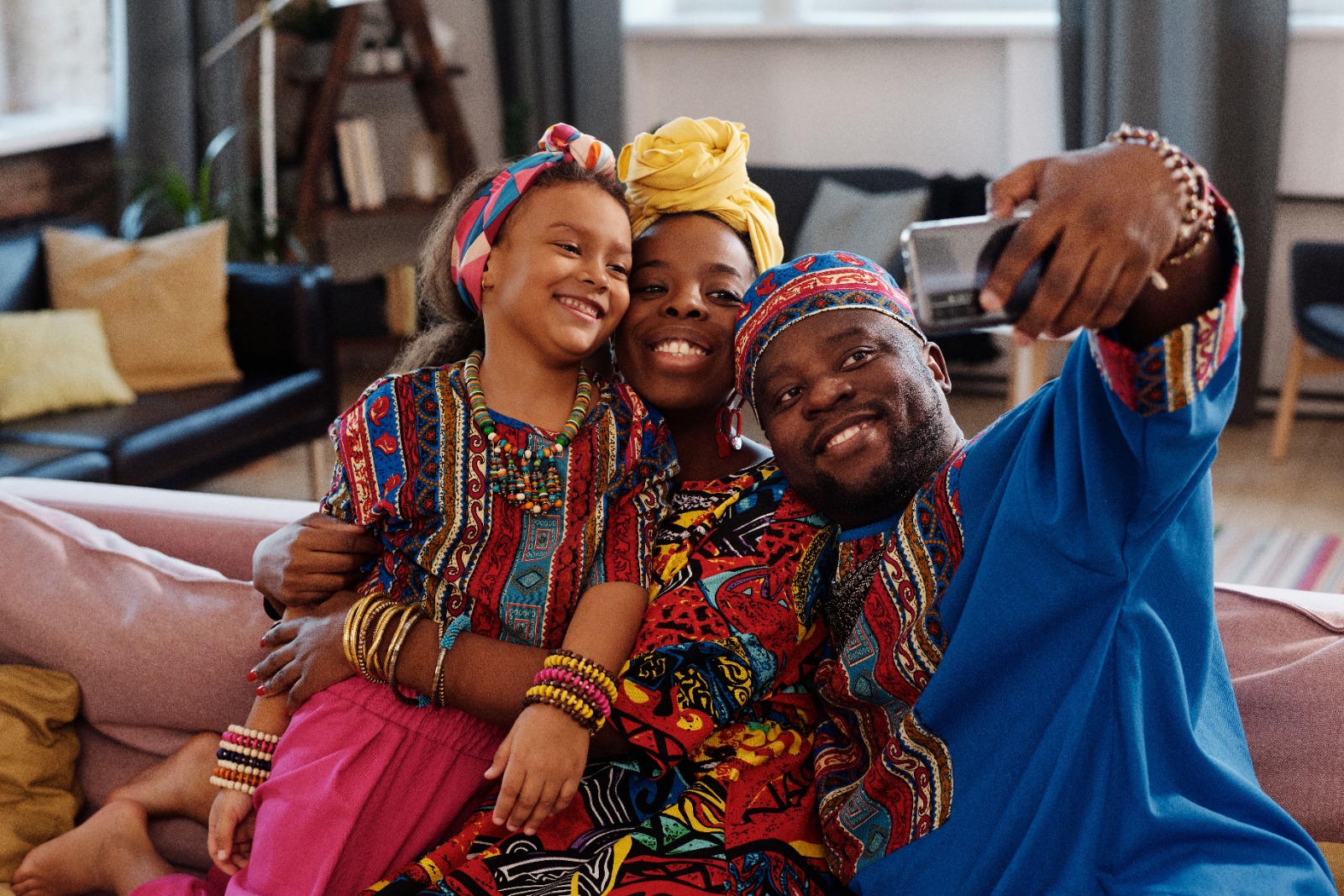
For decades, the continent's relationship with the world was largely defined by development assistance, natural resources, humanitarian narratives and geopolitical competition. Today, however, a different form of influence is reshaping Africa's global standing, one built on culture, entrepreneurship, innovation and the economic power of its global diaspora.
From London to Lagos, Toronto to Nairobi, Paris to Accra and Dubai to Johannesburg, African music, fashion, cuisine, film, technology, sport and creative entrepreneurship are becoming significant instruments of international influence. Global audiences increasingly consume African culture, multinational companies invest in African creative industries, governments recognise diaspora communities as strategic development partners, and investors view cultural exports as commercially valuable economic assets rather than niche markets.
This transformation reflects more than cultural popularity.
It represents the emergence of African soft power as an increasingly important component of economic competitiveness, investment attraction and international diplomacy.
According to the African Union, the African diaspora remains the continent's "Sixth Region", recognising millions of people of African descent worldwide as strategic partners in Africa's political, economic and social development. Meanwhile, remittance flows to Africa continue to exceed many traditional external financing sources, while diaspora professionals increasingly contribute knowledge, technology, entrepreneurship and international market access alongside financial capital.
At the same time, African cultural industries are becoming globally significant economic sectors. Afrobeats regularly dominates international music charts, African designers increasingly appear at leading fashion weeks, Nollywood remains one of the world's largest film industries by output, and African creators are expanding rapidly across digital media, gaming, publishing and entertainment.
Governments are also recognising that culture has become an instrument of economic diplomacy.
Creative industries increasingly support tourism, foreign direct investment, international branding, export promotion and bilateral relations. Countries such as Nigeria, Ghana, Rwanda, Morocco, South Africa and Kenya are integrating culture, innovation and entrepreneurship into broader national competitiveness strategies.
Yet significant challenges remain.
Africa continues to capture only a small share of global intellectual property revenues, creative financing remains fragmented, cross-border mobility restrictions constrain talent, and many diaspora engagement strategies remain underdeveloped. Despite the continent's growing cultural influence, the economic systems required to convert soft power into sustained commercial value are still evolving.
The strategic question facing African leaders is therefore no longer whether Africa possesses global influence.
It is whether Africa can institutionalise that influence into lasting economic advantage.
The next decade may determine whether African soft power remains primarily cultural, or becomes one of the continent's most valuable economic assets.
Why It Matters
Soft power has traditionally been understood as the ability of nations to shape international perceptions and relationships through attraction rather than coercion.
In the twenty-first century, however, soft power has become increasingly commercial.
Global influence is now generated not only through diplomacy and political leadership but through brands, technology, creative industries, education, entrepreneurship, sport and cultural exports.
For Africa, this shift creates an opportunity to redefine its place within the global economy.
Rather than relying predominantly on commodities or geopolitical positioning, African countries can increasingly build international competitiveness through ideas, innovation, cultural production and globally recognised enterprises.
Soft power has therefore become an economic development strategy as much as a diplomatic tool.
Culture Has Become Economic Infrastructure
The global creative economy has become one of the fastest-growing sectors of international trade.
Music, film, television, gaming, fashion, publishing, digital content, design and cultural tourism collectively generate trillions of pounds in economic activity worldwide while supporting millions of jobs across both developed and emerging markets.
Africa is becoming an increasingly visible participant in this transformation.
Afrobeats has evolved from a regional music genre into a global commercial industry, with African artists selling out major international venues and partnering with multinational entertainment companies. Nollywood continues to expand international distribution through global streaming platforms, while African fashion designers and luxury brands increasingly access premium international markets.
These industries do more than export culture.
They strengthen national brands, attract investment, stimulate tourism, create intellectual property and generate foreign exchange earnings.
Culture is therefore becoming productive economic infrastructure.
The Diaspora Is Becoming a Strategic Economic Network
The African diaspora represents one of the continent's most significant global assets.
Beyond remittance flows—which continue to provide critical financial support to households and local economies—the diaspora increasingly contributes professional expertise, venture capital, technology transfer, policy influence and international commercial networks.
Highly skilled African professionals occupy leadership positions across finance, medicine, technology, academia, diplomacy and multinational business.
Their influence extends well beyond individual achievement.
Diaspora professionals frequently facilitate foreign investment, establish international partnerships, mentor entrepreneurs, support technology ecosystems and strengthen trade relationships between Africa and global markets.
The relationship between Africa and its diaspora is therefore evolving from one centred primarily on remittances towards one increasingly characterised by investment, innovation and institutional collaboration.
Enterprise Has Become a Diplomatic Asset
Private companies increasingly shape how countries are perceived internationally.
Successful technology firms, consumer brands, financial institutions and creative enterprises influence global confidence in national economies.
African companies expanding internationally contribute directly to the continent's soft power.
Whether through fintech innovation, globally recognised consumer brands, creative businesses or sustainable manufacturing, African enterprises increasingly project confidence, capability and commercial credibility beyond national borders.
Business success has become an instrument of diplomacy.
Every internationally competitive African company contributes to changing perceptions of the continent's economic potential.
Global Competition Is Increasingly About Influence
International competition increasingly extends beyond trade agreements and investment flows.
Countries compete to attract talent, capital, tourists, entrepreneurs, students and global partnerships.
National reputation increasingly influences investment decisions, consumer behaviour and geopolitical relationships.
For Africa, strengthening soft power therefore supports broader strategic objectives.
Countries with stronger international reputations generally attract higher levels of tourism, investment, cultural partnerships and commercial engagement.
The ability to project stability, innovation, creativity and entrepreneurial dynamism has become an increasingly important source of comparative advantage.
Soft Power Strengthens Economic Resilience
Diversified economies rely upon multiple sources of international competitiveness.
Creative industries, cultural exports, digital entrepreneurship and diaspora investment reduce dependence on commodity cycles while expanding higher-value sectors driven by intellectual property and innovation.
They also generate employment opportunities for young people across rapidly growing creative and digital industries.
In an increasingly knowledge-based global economy, influence itself has become economically productive.
For Africa, investing in soft power is therefore not simply about improving international image.
It is about expanding the continent's long-term capacity to create wealth, attract capital and shape global conversations on its own terms.
Who It Affects
Africa's emerging soft power economy extends far beyond the creative industries.
Its influence increasingly shapes investment decisions, international trade, public diplomacy, innovation ecosystems and geopolitical relationships. As culture and enterprise become more integrated into global commerce, the beneficiaries—and stakeholders—extend across governments, businesses, investors and diaspora communities.
Governments and Public Institutions
Governments are no longer competing solely through infrastructure investment or investment incentives.
Increasingly, they compete through national reputation.
Countries that successfully project innovation, cultural vitality, political stability and entrepreneurial dynamism often attract greater foreign direct investment (FDI), tourism, international students, skilled professionals and strategic partnerships.
Several African governments have already recognised this shift.
Ghana's Year of Return and subsequent Beyond the Return initiative repositioned diaspora engagement as an economic development strategy, attracting significant international attention, tourism and investment interest while strengthening Ghana's global identity as a cultural gateway to Africa.
Similarly, Rwanda has integrated conference diplomacy, innovation, tourism and sports partnerships into its international branding strategy, while Morocco continues expanding cultural diplomacy across Africa, Europe and the Middle East through education, heritage and investment cooperation.
These examples illustrate that modern diplomacy increasingly extends beyond embassies.
Culture, enterprise and national branding have become instruments of economic statecraft.
The African Diaspora
Few global communities possess the economic and intellectual influence of Africa's diaspora.
According to the World Bank, remittance flows to Sub-Saharan Africa reached approximately US$56 billion in 2024, while remittances across the wider African continent remain substantially larger when North Africa is included. These financial flows continue to exceed official development assistance received by many African countries and remain among the continent's most stable external financial resources.
Yet financial transfers represent only one dimension of diaspora influence.
Across the United Kingdom, United States, Canada, France, Germany, the Gulf states and elsewhere, African professionals increasingly occupy senior positions across finance, healthcare, engineering, academia, technology, international organisations and public policy.
This global network provides access to investment opportunities, technology transfer, research collaboration, international markets and institutional partnerships that extend well beyond remittance economics.
Increasingly, diaspora influence should be understood as intellectual capital rather than simply financial capital.
Entrepreneurs and Business Leaders
African entrepreneurs are becoming ambassadors for the continent's economic transformation.
Technology companies founded by African entrepreneurs increasingly attract global venture capital, while consumer brands, creative businesses and financial technology firms continue expanding internationally.
These companies influence international perceptions of Africa's business environment.
Every successful expansion into London, New York, Dubai, Singapore or Paris strengthens confidence in African innovation and commercial capability.
Business success has therefore become an increasingly important component of Africa's international reputation.
Investors
Institutional investors are paying greater attention to sectors traditionally viewed as cultural rather than economic.
Music rights, sports, digital content, gaming, film production, fashion, publishing and creator platforms increasingly represent investable industries with growing global demand.
Private equity firms, venture capital funds and multinational entertainment companies are expanding investments across Africa's creative economy, recognising intellectual property as an increasingly valuable asset class.
For investors, Africa's soft power economy represents long-term structural growth rather than temporary cultural momentum.
International Partners
Governments, multinational corporations, universities, cultural institutions and development organisations increasingly engage African creative industries as part of broader economic cooperation.
Partnerships now extend beyond development programmes into technology exchanges, creative investment, education, sports, innovation and cultural entrepreneurship.
The international conversation around Africa is gradually evolving from aid to opportunity.
That transition is reshaping the nature of global partnerships.
Where the Opportunity Is
Africa's soft power economy is expanding across multiple sectors simultaneously.
While entertainment often attracts the greatest public attention, the broader opportunity encompasses intellectual property, technology, tourism, education, consumer brands and international business.
Creative Industries
Africa's creative economy has become one of the continent's fastest-growing international assets.
Music provides perhaps the clearest example.
Afrobeats has evolved into a global commercial industry, with African artists regularly topping international streaming charts, selling out arenas across Europe and North America, and securing partnerships with global record labels, fashion houses and consumer brands.
The commercial ecosystem surrounding music—including publishing, licensing, live entertainment, merchandising and digital distribution—is becoming increasingly valuable.
The opportunity now extends beyond artists themselves to producers, studios, investors, technology platforms, legal services and intellectual property management.
Africa's music economy is becoming an industrial ecosystem rather than simply an entertainment sector.
Film and Digital Storytelling
Nollywood remains one of the world's largest film industries by annual production volume and continues expanding internationally through streaming platforms and cross-border co-productions.
At the same time, digital storytelling is creating entirely new export industries.
African documentary producers, animation studios, gaming companies, podcast creators and digital media businesses increasingly reach global audiences without relying exclusively on traditional broadcasters.
The democratisation of digital distribution has lowered barriers to international market access.
For African creators, global audiences have become increasingly accessible.
Fashion, Design and Consumer Brands
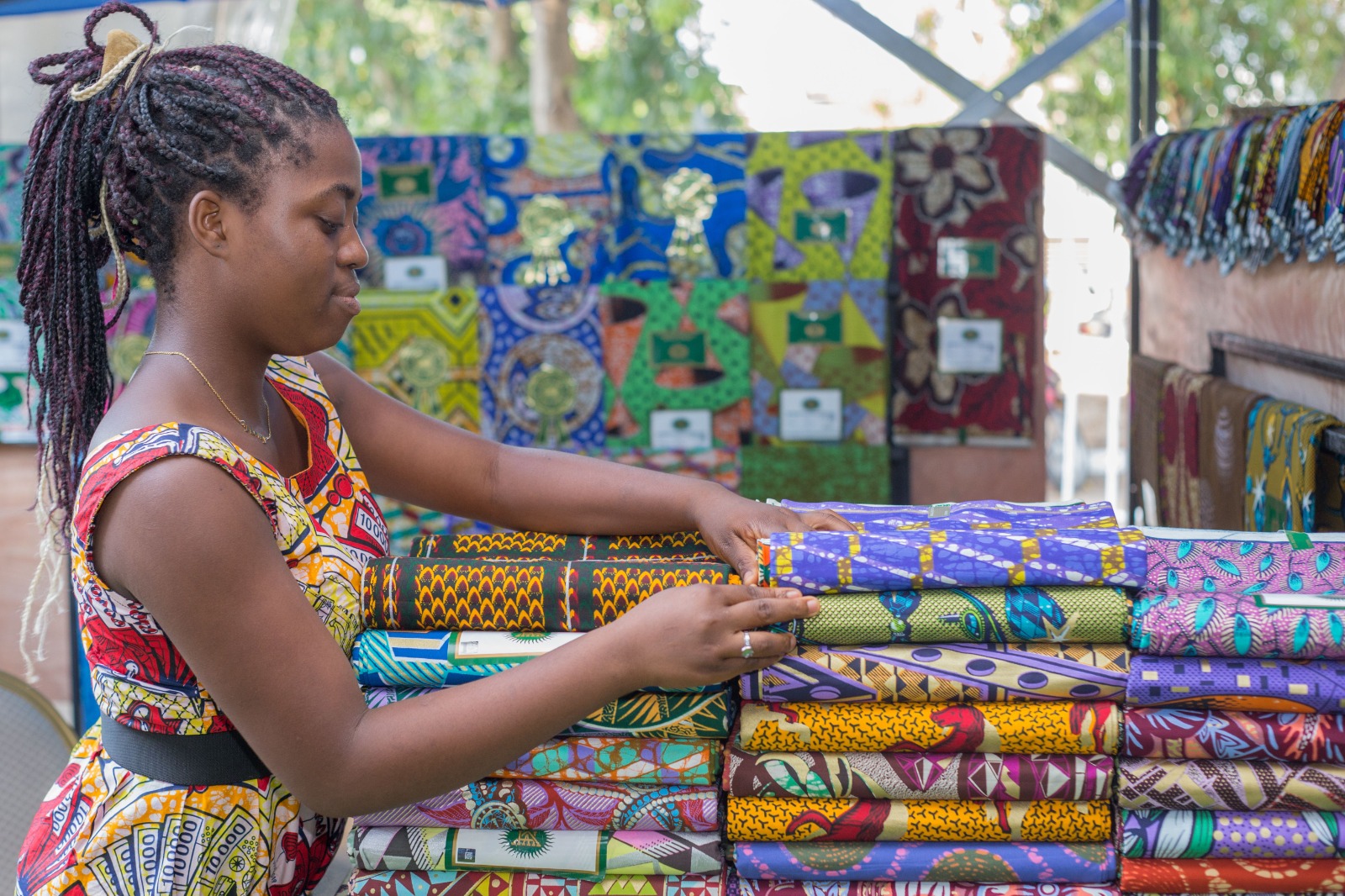
African fashion is transitioning from cultural expression to global commerce.
Designers from Nigeria, South Africa, Ghana, Côte d'Ivoire and other markets increasingly participate in international fashion weeks while collaborating with luxury brands and global retailers.
At the same time, African beauty brands, skincare products, textiles and lifestyle companies are benefiting from growing consumer demand for authenticity, sustainability and heritage-driven products.
These industries create opportunities far beyond retail.
They stimulate manufacturing, agriculture, logistics, marketing, intellectual property and export development.
Technology and the Creator Economy
Digital technology is transforming African soft power.
Content creators, software developers, fintech entrepreneurs, online educators and creative technology startups increasingly operate within global digital markets.
Artificial intelligence, digital payments, creator platforms and cross-border e-commerce are lowering barriers to international commercial participation.
For younger African entrepreneurs, influence increasingly begins online before expanding into physical markets.
Digital entrepreneurship is therefore becoming an important pillar of Africa's international competitiveness.
Education, Research and Knowledge Diplomacy
Universities, research institutions and professional networks increasingly contribute to national soft power.
African academics, researchers and innovators participate in global scientific collaboration while strengthening institutional partnerships across higher education.
Knowledge exchange supports innovation, entrepreneurship and long-term diplomatic relationships.
Countries capable of exporting knowledge alongside products strengthen both economic competitiveness and international influence.
Sports and Global Visibility
Sport remains one of Africa's most effective soft power assets.
African athletes compete successfully across football, athletics, basketball, rugby and combat sports while inspiring global audiences.
Increasingly, however, governments are viewing sport as an economic development strategy.
Major sporting events, sports tourism, sports technology and infrastructure investment create opportunities extending beyond competition itself.
Sports diplomacy strengthens national visibility while supporting broader investment and tourism objectives.
Market Signals
Several structural developments indicate that Africa's soft power economy is entering a new phase.
The African Union continues strengthening engagement with the diaspora through its recognition of the diaspora as the continent's Sixth Region, reinforcing the strategic importance of global African communities within continental development.
Implementation of the African Continental Free Trade Area (AfCFTA) is also expected to support greater movement of creative goods, cultural services and knowledge-based industries across African markets, creating larger commercial opportunities for creative enterprises.
Meanwhile, international demand for African music, film, fashion and digital content continues expanding through streaming platforms, social media and cross-border digital commerce.
For business leaders, the message is increasingly clear.
Africa's influence is no longer measured solely by natural resources or geopolitical importance.
It is increasingly measured by ideas, intellectual property, entrepreneurship, creativity and the global reach of its people.
The countries and institutions that recognise soft power as productive economic capital will be better positioned to compete in an increasingly knowledge-driven global economy.
Strategic Risks
Africa's growing global influence is undeniable, but influence alone does not automatically translate into sustainable economic value. Without deliberate institutional frameworks, investment and policy coordination, much of the continent's expanding cultural capital risks benefiting global platforms and foreign markets more than African economies themselves.
The next phase of Africa's soft power journey is therefore less about visibility and more about value capture.
The Monetisation Gap
African music, film, fashion, literature and digital content have achieved unprecedented international recognition. However, the commercial returns generated by these industries often remain disproportionately concentrated outside the continent.
International streaming platforms, record labels, distributors, publishing houses and intellectual property owners continue to capture a significant share of the economic value created by African creators.
While African artists increasingly headline global festivals and dominate international charts, the supporting commercial ecosystem—including rights management, licensing, royalties, publishing, merchandising and investment funds—remains comparatively underdeveloped.
Closing this monetisation gap is one of Africa's most pressing strategic priorities.
Intellectual Property Protection
The creative economy depends upon intellectual property.
Yet copyright enforcement, trademark protection and royalty collection systems remain inconsistent across many African jurisdictions.
Weak intellectual property frameworks discourage investment, reduce earnings for creators and limit the growth of sustainable creative businesses.
Strengthening copyright administration, digital rights management and regional IP harmonisation will become increasingly important as African creative exports continue expanding internationally.
In a knowledge economy, protecting ideas is as important as protecting physical assets.
Fragmented Diaspora Engagement
Despite recognising the African diaspora as the continent's Sixth Region, engagement strategies remain uneven.
Many governments continue to focus primarily on remittances while underutilising diaspora expertise, institutional networks and investment capacity.
Highly skilled professionals in finance, healthcare, engineering, technology, academia and international business represent strategic assets capable of accelerating innovation, investment and industrial development.
Realising this potential requires coordinated diaspora policies, investment platforms and long-term institutional partnerships rather than occasional engagement initiatives.
Talent Mobility
African talent continues to face significant barriers to international mobility.
Lengthy visa processes, fragmented recognition of professional qualifications and restrictions affecting creative professionals, entrepreneurs and researchers limit opportunities for collaboration and commercial expansion.
Improving mobility within Africa through the African Continental Free Trade Area (AfCFTA) and the African Union's Protocol on Free Movement, while expanding international partnerships, will be essential for strengthening Africa's global influence.
Knowledge flows where people can move.
Reputation and Governance
Soft power ultimately depends upon credibility.
Political instability, governance challenges, corruption, insecurity and policy inconsistency can undermine decades of progress in nation branding and international reputation.
Global investors increasingly evaluate governance alongside economic opportunity.
Countries capable of demonstrating institutional stability, regulatory predictability and respect for the rule of law strengthen both diplomatic influence and commercial attractiveness.
Trust remains the foundation of sustainable soft power.
Financing Africa's Soft Power Economy
Africa's cultural influence is increasingly becoming investable.
The challenge is mobilising capital that supports long-term ecosystem development rather than isolated commercial successes.
Creative Economy Investment
Investment opportunities now extend across the entire creative value chain.
Beyond artists and performers, opportunities exist in film production, music publishing, sports management, fashion manufacturing, gaming, animation, digital media, intellectual property management, live entertainment infrastructure and creative technology platforms.
Development finance institutions, venture capital firms and impact investors are beginning to recognise these industries as scalable sectors capable of generating employment, exports and intellectual property revenues.
The next stage requires larger pools of institutional capital.
Diaspora Capital
The African diaspora represents one of the continent's largest strategic investment communities.
Beyond remittances, diaspora investors increasingly participate in venture capital, angel investment, private equity, real estate, technology startups and cross-border entrepreneurship.
Governments can deepen this engagement through diaspora bonds, blended finance vehicles, innovation funds and specialised investment platforms that connect global African investors with commercially viable opportunities across the continent.
The objective should be to transform diaspora relationships from financial support into long-term economic partnership.
Public–Private Partnerships
The development of Africa's soft power economy requires collaboration.
Governments, universities, creative institutions, financial organisations, technology companies and international partners all have complementary roles.
Public investment can strengthen education, digital infrastructure and cultural institutions, while private capital accelerates commercial innovation, market expansion and intellectual property development.
Together, these partnerships can create globally competitive creative ecosystems rather than isolated success stories.
What Decision-Makers Should Do Next
For Governments
Governments should recognise culture and the diaspora as pillars of national economic strategy.
Priority actions include modernising copyright systems, strengthening creative industry financing, simplifying business regulations, supporting cultural exports and integrating diaspora engagement into investment promotion strategies.
National branding should increasingly align with innovation, entrepreneurship and cultural excellence.
For Business Leaders
Executives should treat African culture as a commercial asset capable of creating global competitive advantage.
Companies should invest in authentic African brands, intellectual property, storytelling and strategic partnerships that strengthen international recognition while expanding export opportunities.
Culture increasingly influences consumer purchasing decisions.
Businesses that successfully combine commercial excellence with authentic African identity will strengthen long-term brand value.
For Investors
Investors should broaden their understanding of Africa's opportunity landscape.
Creative industries, sports, media, digital platforms, education technology and cultural tourism increasingly represent investable sectors alongside traditional industries.
Patient capital will be essential for transforming emerging creative businesses into globally competitive enterprises.
For Diaspora Leaders
Diaspora communities should increasingly view themselves as institutional partners in Africa's long-term development.
Professional expertise, international networks, technology transfer and strategic investment can generate economic impact equal to—or greater than—financial remittances alone.
Structured collaboration between governments, businesses and diaspora institutions will strengthen this contribution.
For Regional Institutions
Regional organisations should continue harmonising cultural policies, intellectual property frameworks, digital trade regulations and mobility initiatives.
Building a continental market for creative industries will strengthen Africa's negotiating position within the global creative economy while encouraging greater intra-African collaboration.
Executive Outlook
Africa's influence is entering a fundamentally different era.
The continent is no longer defined solely by its natural resources, demographic growth or geopolitical importance.
Increasingly, its influence is expressed through music that shapes global popular culture, entrepreneurs building internationally recognised companies, filmmakers telling African stories to worldwide audiences, designers redefining luxury, researchers advancing scientific knowledge and diaspora professionals connecting Africa with global markets.
This transformation represents far more than cultural visibility.
It reflects the emergence of a new economic model in which creativity, enterprise and international networks become productive assets capable of generating investment, exports, employment and diplomatic influence.
The strategic opportunity is substantial.
According to UNESCO, the creative economy is among the world's fastest-growing economic sectors, while digital technologies continue lowering barriers to international market access. For Africa, this creates an unprecedented opportunity to convert cultural influence into sustainable economic growth through stronger institutions, intellectual property systems and commercial ecosystems.
Yet success will not be measured simply by global recognition.
It will be measured by whether African countries can retain greater value from the ideas, innovation and talent they generate.
The countries that lead this transition will invest not only in artists and entrepreneurs but also in the institutions that support them—education, intellectual property, finance, technology, diplomacy and international partnerships.
For executives, investors and policymakers, the message is increasingly clear.
Soft power is no longer an intangible concept confined to diplomacy.
It is becoming a measurable driver of competitiveness, investment attraction and long-term economic resilience.
The next chapter of Africa's global story will not be written solely through policy or politics.
It will be written through enterprise, creativity, innovation and the confidence of a continent increasingly shaping global conversations on its own terms.
Sources & Methodology
This analysis draws upon research, policy publications and market data from the African Union (including its recognition of the African diaspora as the Sixth Region), UNESCO, the World Bank Group, the African Development Bank (AfDB), the International Finance Corporation (IFC), the African Continental Free Trade Area (AfCFTA) Secretariat, the International Organisation for Migration (IOM), the World Intellectual Property Organization (WIPO), the International Trade Centre (ITC), UN Trade and Development (UNCTAD), and official government publications where relevant. Current developments relating to Africa's creative economy, diaspora engagement, cultural diplomacy and international trade were cross-rereferenced with recent reporting from Reuters, the Financial Times and other reputable international business publications to ensure contemporary relevance.
This article follows Aldrenor's Premium Intelligence methodology, integrating institutional research, economic analysis, policy developments and long-term structural trends to provide strategic insight for executives, investors, policymakers, entrepreneurs and diaspora leaders. Rather than reporting individual events, the analysis identifies the strategic forces shaping Africa's emerging soft power economy and their implications for business, investment and international competitiveness. It is intended for informational purposes and should not be interpreted as investment, legal or financial advice.