
For decades, the continent's international identity was largely shaped through development narratives, natural resources and geopolitics. Today, however, a different force is reshaping Africa's position in the global economy—its culture.
Afrobeats dominates global streaming charts. African fashion houses are appearing on international runways. Nollywood has become one of the world's largest film industries by volume. African cuisine is gaining recognition in global capitals, while African designers, artists, writers, entrepreneurs and technology founders are increasingly influencing international markets.
Yet the most important story extends beyond cultural recognition.
Global African identity is evolving into an economic asset capable of attracting investment, expanding exports, influencing consumer markets and strengthening Africa's soft power. What began as cultural visibility is becoming commercial leverage.
For executives, investors and policymakers, this represents a structural shift rather than a cultural trend.
The question is no longer whether African culture has global appeal.
The strategic question is how governments, businesses and institutions convert that cultural capital into long-term economic value through intellectual property, investment, tourism, exports, diaspora engagement and globally competitive brands.
Countries that successfully transform cultural influence into economic infrastructure will shape Africa's next generation of globally recognised industries.
Why It Matters
Global influence increasingly drives economic opportunity.
In an economy where brands compete on identity as much as products, culture has become a strategic commercial asset.
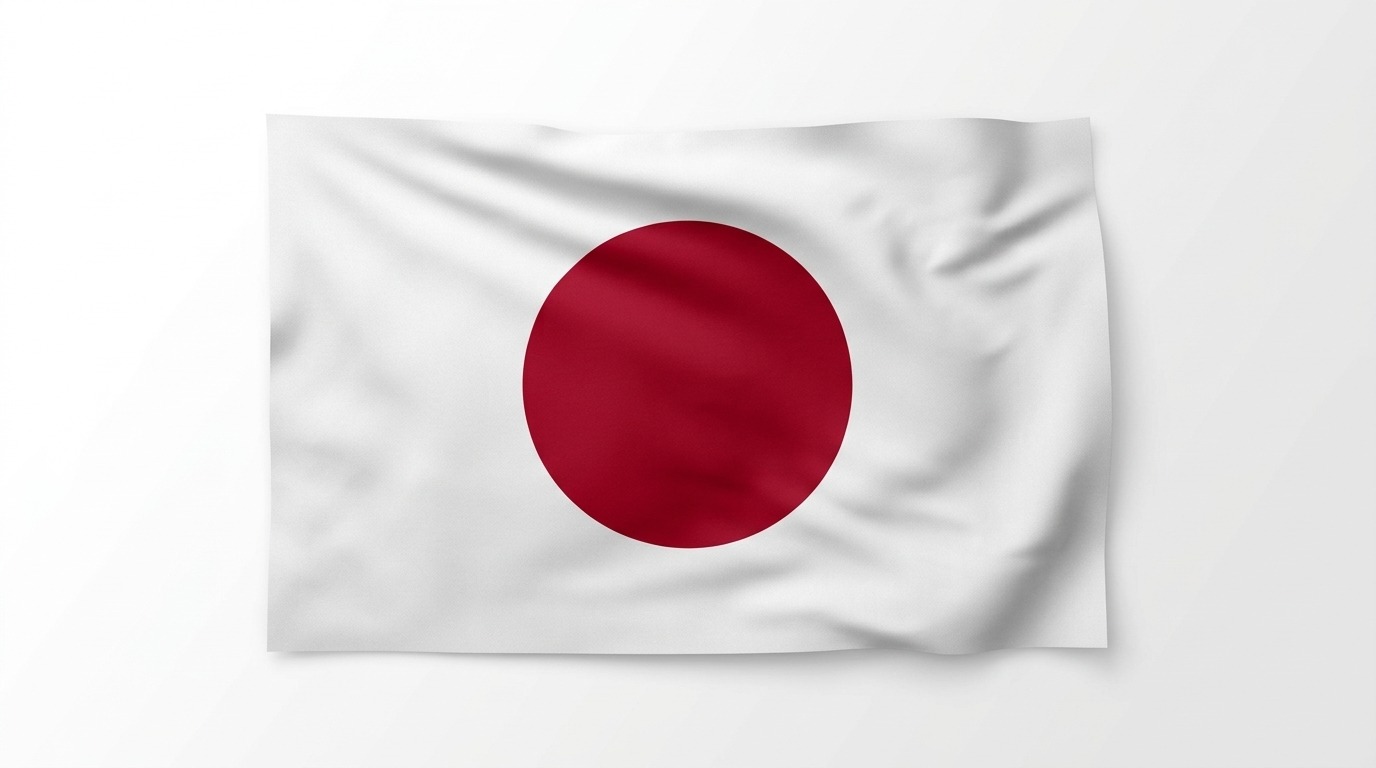
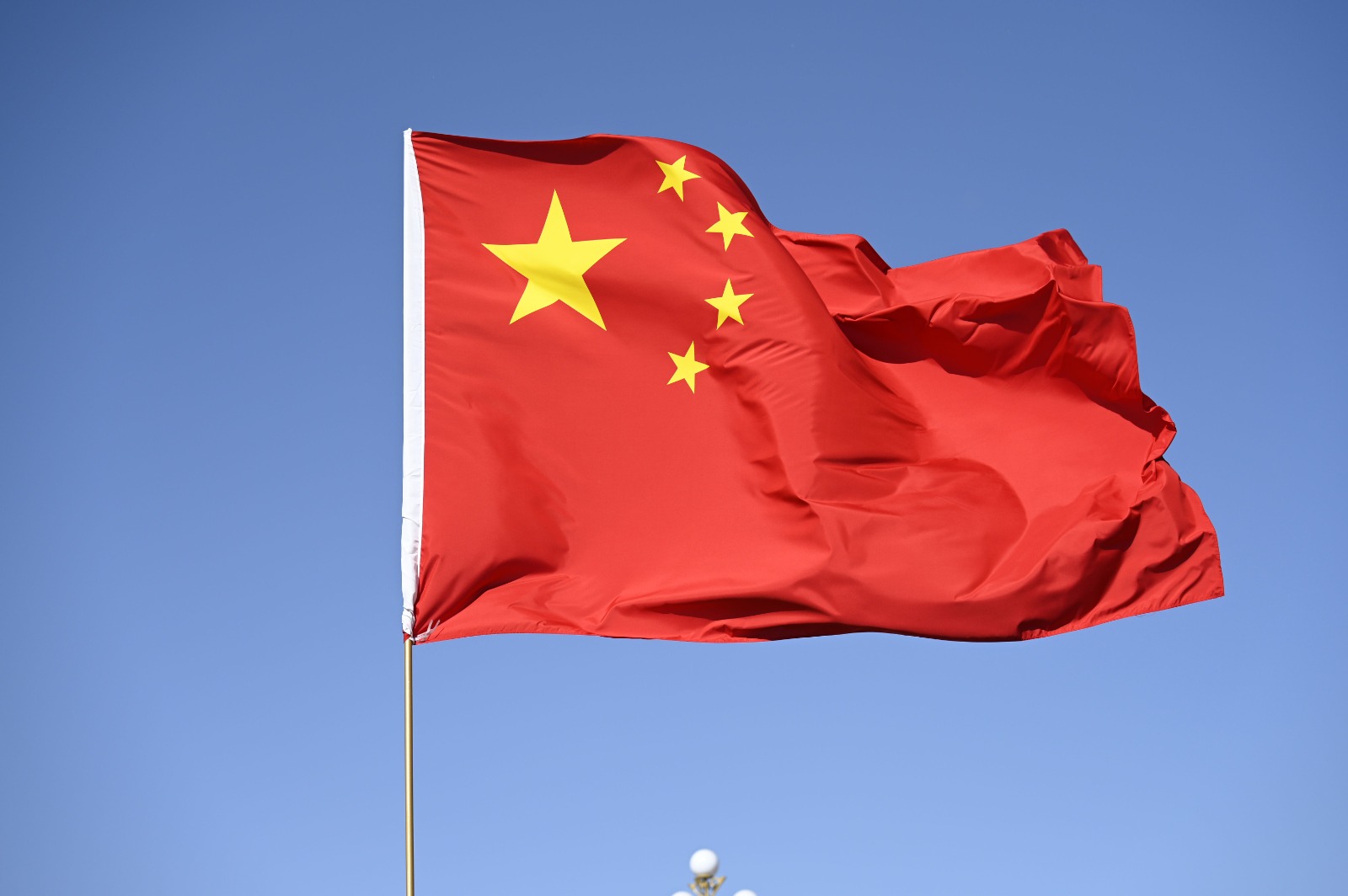
South Korea leveraged K-pop and Korean cinema to accelerate exports across beauty, consumer electronics, tourism and food. Japan achieved similar outcomes through anime, gaming and design. The United States continues to monetise Hollywood, music and technology as instruments of both commerce and geopolitical influence.
Africa is approaching a similar inflection point.
The continent possesses one of the world's youngest populations, one of its fastest-growing creative industries and a global diaspora estimated at more than 170 million people. Combined, these networks represent not only cultural influence but also consumer demand, investment capital and international market access.
The opportunity extends well beyond entertainment.
Every globally recognised African artist increases visibility for African fashion labels, food products, fintech platforms, tourism destinations, luxury brands and investment opportunities.
Culture increasingly functions as an economic gateway.
Identity Has Become an Export
Modern exports are no longer limited to physical goods.
Ideas, brands, music, design, digital content, software, intellectual property and cultural experiences now generate billions of pounds in global economic value.
African identity itself is becoming commercially valuable.
Consumers increasingly seek authentic brands, heritage products and experiences rooted in distinctive cultural narratives.
For African businesses, this creates opportunities to build globally competitive companies around authenticity rather than imitation.
The value lies not in exporting culture alone but in exporting businesses built upon cultural identity.
The Diaspora Is Becoming Strategic Capital
The African diaspora has long contributed through remittances.
According to the World Bank, remittance flows to Sub-Saharan Africa remained above US$50 billion in 2025 despite global economic uncertainty, while remittances to North African countries continue to strengthen overall continental inflows. These financial transfers remain one of Africa's largest and most resilient external financial resources.
Increasingly, however, diaspora value extends beyond remittances.
Diaspora professionals occupy leadership positions across finance, technology, healthcare, media, academia and government.
They influence procurement decisions, investment flows, venture capital allocation, product adoption and international partnerships.
Diaspora networks increasingly function as commercial infrastructure connecting African businesses with global markets.
Soft Power Creates Hard Economic Outcomes
Countries with strong cultural influence often experience wider economic benefits.
Global familiarity increases tourism demand, strengthens investment confidence, improves export recognition and enhances national competitiveness.
Africa's creative economy therefore deserves to be viewed as productive economic infrastructure rather than discretionary cultural expenditure.
Investment in creative industries increasingly supports trade promotion, investment attraction and international competitiveness.
The countries recognising this relationship earliest are likely to secure disproportionate long-term economic advantages.
Who It Affects
The commercialisation of global African identity reaches far beyond musicians, actors and fashion designers.
It is reshaping opportunities for governments, investors, entrepreneurs, exporters, financial institutions and the global African diaspora.
The countries and organisations that understand culture as an economic ecosystem rather than an entertainment sector will be better positioned to capture long-term value.
Creative Entrepreneurs and African Brands
Africa's creative entrepreneurs are becoming globally recognised business builders.
Afrobeats artists are launching record labels, fashion collections, sports ventures, beverage brands and technology investments. Fashion designers are expanding from couture into luxury consumer brands. Film producers are building intellectual property portfolios that generate recurring licensing revenues.
This evolution reflects a broader shift from individual success to ecosystem development.
Creative businesses increasingly require professional management, intellectual property protection, venture capital, export financing and international distribution—creating entirely new industries around African creativity.
For consumer brands, cultural relevance has become a competitive advantage.
Companies that authentically reflect contemporary African identity are increasingly able to command premium positioning both within Africa and internationally.
Investors and Financial Institutions
Global investors are paying increasing attention to Africa's creative and cultural economy.
Private equity firms, venture capital investors and multinational entertainment companies are investing across music publishing, sports, digital media, creator platforms, gaming, fashion technology and content distribution.
The opportunity extends well beyond entertainment revenues.
Every successful creative ecosystem generates demand for legal services, fintech, logistics, advertising, hospitality, tourism, merchandising, real estate and digital infrastructure.
For institutional investors, the African creative economy increasingly represents an investable asset class rather than an emerging niche.
Governments and Policymakers
Governments are beginning to recognise that cultural influence can generate measurable economic returns.
Investment in creative industries contributes not only to employment but also to exports, tourism, foreign direct investment and national branding.
Several African countries have incorporated creative industries into broader economic diversification strategies.
Nigeria continues to strengthen support for its creative economy through financing initiatives and infrastructure development, while countries including Rwanda, South Africa, Kenya and Ghana increasingly position culture, innovation and tourism as complementary drivers of economic growth.
The policy challenge is shifting from promoting artistic expression to building globally competitive creative industries.
The African Diaspora
The African diaspora represents one of the continent's most significant strategic assets.
Its influence extends across financial markets, multinational corporations, universities, technology firms, healthcare systems and public institutions.
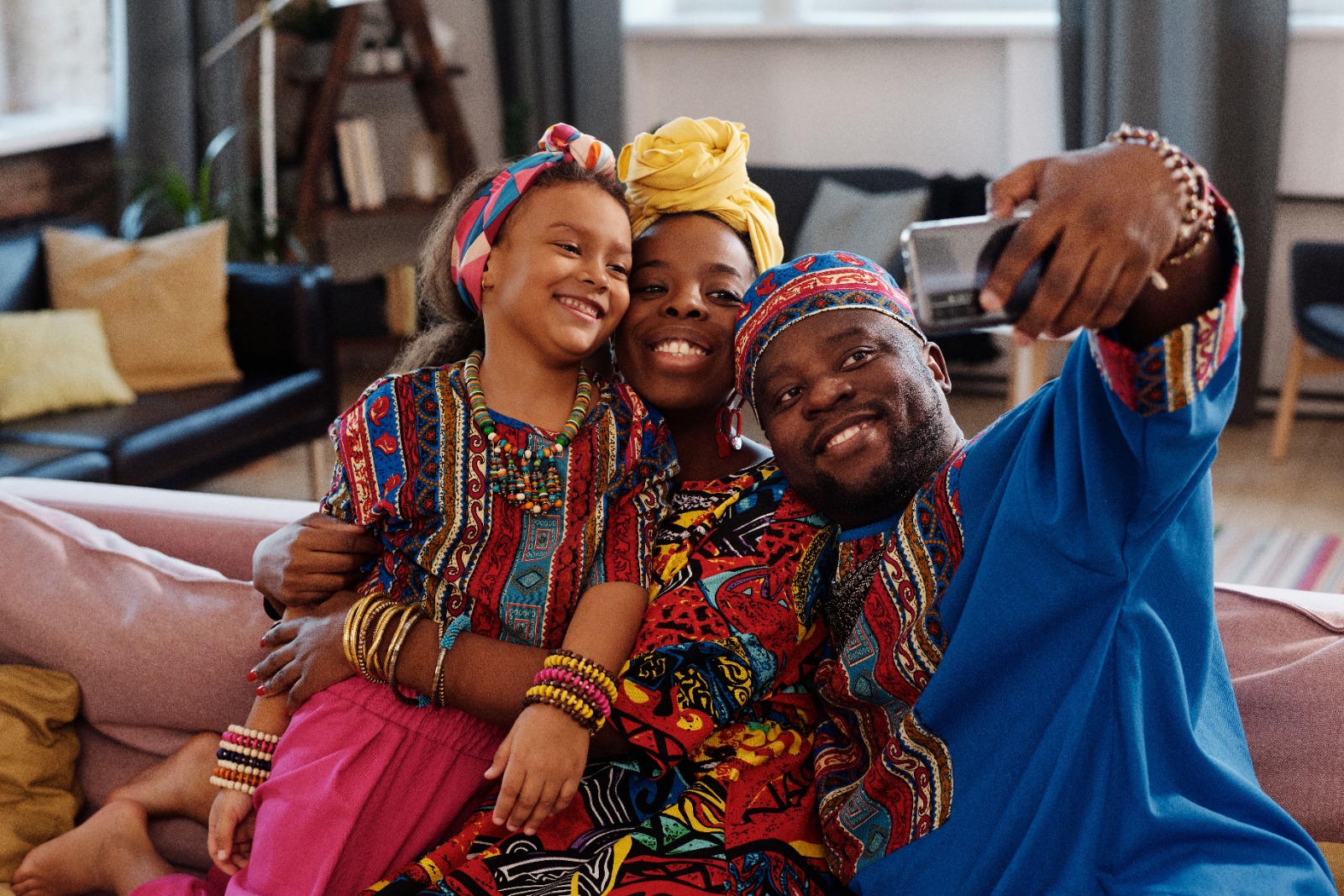
Diaspora communities increasingly shape perceptions of African products, influence purchasing behaviour and facilitate international business relationships.
Beyond remittances, diaspora professionals provide market intelligence, mentorship, investment capital and international commercial networks.
As African brands expand globally, diaspora consumers often become their earliest international adopters and strongest advocates.
Where the Opportunity Is
Africa's cultural influence is expanding across multiple industries simultaneously.
The greatest economic opportunities emerge where creative identity intersects with scalable commercial sectors.
Music and Intellectual Property
Afrobeats has become one of the world's fastest-growing music genres.
Artists including Burna Boy, Wizkid, Tems, Tyla, Rema, Asake and Ayra Starr have helped transform African music into a global commercial force, generating billions of streams across major digital platforms while expanding international touring revenues.
The business opportunity, however, extends beyond performance.
Music publishing, licensing, royalties, merchandising, brand partnerships, live entertainment infrastructure and intellectual property management all represent expanding markets.
Global streaming has effectively removed traditional geographic barriers, allowing African creators to reach international audiences directly while creating long-term recurring revenue through intellectual property ownership.
The strategic priority now is ensuring that a greater share of this economic value remains within African-owned companies.
Fashion, Luxury and Consumer Brands
African fashion is evolving from cultural expression into commercial enterprise.
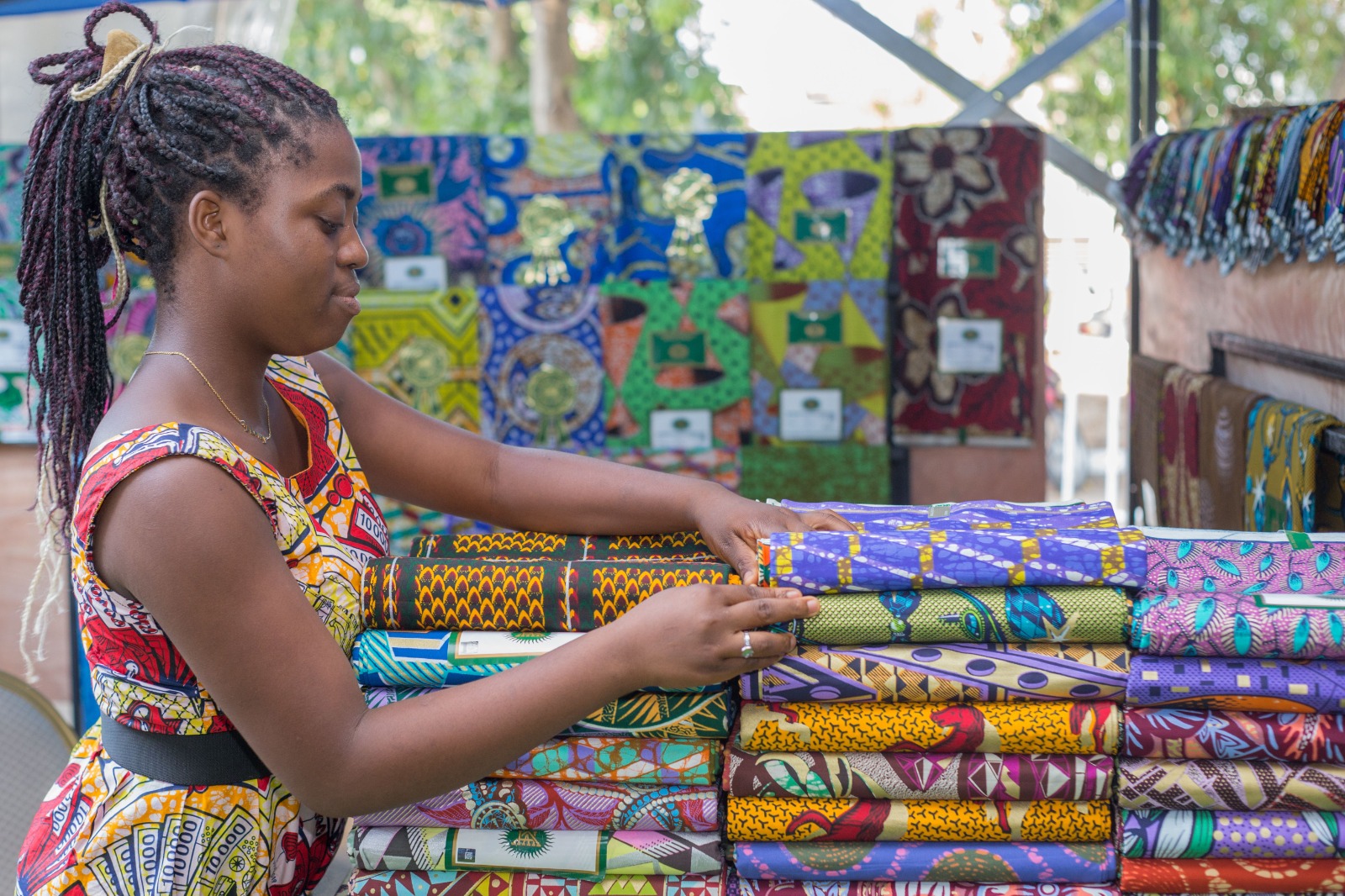
Designers from Lagos, Johannesburg, Accra, Dakar and Nairobi increasingly showcase collections during international fashion weeks while collaborating with global luxury retailers and premium consumer brands.
International demand for African textiles, jewellery, leather goods, cosmetics and contemporary design continues to expand alongside growing interest in sustainable and ethically sourced products.
This creates opportunities to build globally recognised African luxury brands rather than exporting raw materials for foreign manufacturing.
The long-term value lies not simply in producing garments but in owning internationally recognised fashion houses and consumer brands.
Film, Television and Digital Content
Africa's film industry continues to attract international attention.
Nigeria's Nollywood remains among the world's largest film industries by production volume, while streaming platforms including Netflix, Amazon Prime Video and Showmax continue investing in African storytelling and original productions.
Beyond entertainment, film stimulates employment across production, technology, hospitality, tourism, marketing and education.
It also shapes international perceptions of African societies, cities and investment destinations.
As digital distribution expands, African producers gain greater opportunities to monetise content globally through licensing, advertising, subscription platforms and international co-productions.
Tourism and Destination Branding
Cultural influence increasingly supports tourism development.
Music festivals, sporting events, fashion weeks, film festivals and culinary experiences attract international visitors while strengthening destination brands.
Initiatives such as Ghana's Year of Return and Beyond the Return campaigns demonstrated how cultural identity can stimulate tourism, investment and diaspora engagement simultaneously.
Countries capable of integrating culture with tourism strategy strengthen visitor spending while improving international visibility.
Technology and the Creator Economy
Digital platforms have fundamentally changed how African creativity reaches global audiences.
Creators increasingly monetise through YouTube, Spotify, Apple Music, TikTok, Instagram, podcasts, newsletters, online education, gaming and direct-to-consumer platforms.
Artificial intelligence, digital commerce and creator-focused fintech solutions are expanding opportunities for African entrepreneurs to build global businesses without relying solely on traditional media institutions.
The creator economy is rapidly becoming part of Africa's broader digital economy.
Market Signals
Several developments indicate that Africa's cultural economy is entering a period of structural expansion rather than temporary popularity.
Afrobeats continues to rank among the fastest-growing global music genres, supported by sustained streaming growth, international festival appearances and major-label investment.
African designers are expanding into international luxury retail, while African restaurants, cuisine and hospitality concepts continue gaining recognition across London, Paris, Dubai, New York and Toronto.
Sport also represents a growing commercial opportunity.
African athletes increasingly influence global consumer markets through endorsements, investments and entrepreneurship, extending Africa's economic visibility beyond competition into business leadership.
Meanwhile, multinational companies increasingly collaborate with African creators to access younger global consumers seeking authenticity and cultural relevance.
Taken together, these trends suggest that global African identity is evolving into an enduring economic platform rather than a passing cultural moment.
The strategic challenge is ensuring that Africa captures proportionately more of the value created by its global cultural influence.
Strategic Risks
Africa's growing cultural influence does not automatically translate into sustainable economic power.
While African music, fashion, film and digital creators are enjoying unprecedented global visibility, much of the financial value generated by these industries continues to be captured outside the continent.
Without stronger institutions, financing mechanisms and intellectual property protection, Africa risks remaining the source of globally valuable culture while capturing only a fraction of its commercial returns.
The next phase of growth will therefore depend on building creative industries as economic infrastructure rather than treating them solely as cultural sectors.
Intellectual Property Leakage
One of the most significant challenges facing Africa's creative economy is ownership.
African artists increasingly dominate global streaming platforms and international festivals, yet publishing rights, licensing agreements, distribution infrastructure and royalty management often remain concentrated in overseas markets.
The same applies to fashion, film, publishing, gaming and digital content.
Intellectual property (IP) has become one of the world's most valuable economic assets, but many African creators and businesses lack access to legal expertise, royalty management systems and financing required to retain ownership of their work.
Strengthening IP protection is therefore not simply a legal issue, it is an industrial policy priority.
Countries that protect intellectual property are better positioned to build globally competitive creative industries capable of generating recurring long-term revenues.
Limited Access to Growth Capital
Africa's creative economy continues to face a significant financing gap.
Commercial banks frequently view creative enterprises as high-risk because many rely on intangible assets rather than physical collateral.
As a result, businesses operating in music publishing, digital media, gaming, fashion, animation and film production often struggle to access long-term growth capital.
While venture investment into Africa's technology ecosystem expanded significantly over the past decade, investment into creative industries remains comparatively limited despite growing commercial potential.
Bridging this financing gap will require specialised creative economy funds, intellectual property-backed financing, venture capital, blended finance and stronger participation from development finance institutions.
Fragmented Continental Markets
Although African culture enjoys global popularity, Africa's own creative markets remain relatively fragmented.
Differences in licensing frameworks, copyright enforcement, taxation, payment systems and digital regulation continue to limit cross-border expansion for creative businesses.
The African Continental Free Trade Area (AfCFTA) provides an important opportunity to improve market integration for creative goods and services.
However, achieving this objective requires harmonised policies covering digital trade, intellectual property, audiovisual services and cross-border commerce.
Without stronger regional integration, African creative businesses will continue scaling internationally before fully scaling across Africa itself.
Global Competition Is Intensifying
Africa no longer competes solely with traditional entertainment industries.
Artificial intelligence, virtual production, creator platforms and digital content technologies are transforming global creative markets at unprecedented speed.
Countries investing aggressively in digital infrastructure, creator ecosystems and intellectual property development are strengthening their competitive positions.
African businesses must therefore combine authentic cultural identity with technological capability.
Culture alone will not guarantee competitiveness.
Innovation will determine who captures long-term value.
Financing the Creative Economy
Transforming cultural influence into economic power requires investment across the entire creative value chain.
This extends well beyond funding artists.
It includes financing production infrastructure, digital platforms, intellectual property, export promotion, education, tourism, technology and globally competitive brands.
Development Finance
Development institutions are increasingly recognising the creative economy as an important contributor to employment, entrepreneurship and economic diversification.
Organisations including the African Development Bank (AfDB), the International Finance Corporation (IFC), UNESCO, Afreximbank and regional development institutions have expanded programmes supporting creative industries, cultural enterprises and youth entrepreneurship.
Creative industries are increasingly viewed as productive sectors capable of contributing to GDP growth, export diversification and job creation.
Private Capital
Private investment opportunities continue to expand across multiple segments of the creative economy.
These include:
Music publishing and rights management
Film and television production
Fashion manufacturing and retail
Gaming and interactive media
Sports business
Creator technology platforms
Digital advertising
Live entertainment
Cultural tourism
Luxury consumer brands
As Africa's middle class expands and international demand for African content continues to grow, these sectors are becoming increasingly attractive to institutional investors.
Diaspora Investment
The African diaspora represents one of the continent's largest pools of strategic capital.
Beyond remittances, diaspora professionals increasingly invest through venture funds, angel networks, private equity, philanthropic foundations and entrepreneurial partnerships.
Many also possess international expertise in media, technology, finance, law and marketing.
Harnessing these capabilities requires stronger institutional platforms that facilitate investment, co-production, knowledge transfer and market access.
The diaspora should increasingly be viewed as an economic partner rather than simply a source of remittance income.
Digital Platforms
Digital platforms have democratised global market access.
African creators can now reach international audiences directly through streaming services, social media, e-commerce platforms, newsletters and digital communities.
At the same time, African technology companies are developing local payment solutions, creator tools and digital commerce infrastructure tailored to regional markets.
Artificial intelligence, blockchain authentication, digital licensing and immersive media are expected to reshape the next phase of Africa's creative economy.
The businesses investing early in these capabilities are likely to build durable competitive advantages.
What Decision-Makers Should Do Next
For Business Leaders
Executives should treat African identity as a strategic commercial asset.
Rather than relying solely on imported brand narratives, businesses should invest in authentic African storytelling, design, intellectual property and customer experiences capable of competing internationally.
Companies should also prioritise ownership of trademarks, copyrights and digital assets to maximise long-term enterprise value.
For Investors
Investors should broaden their understanding of Africa's creative economy.
The opportunity extends beyond entertainment.
Logistics, tourism, hospitality, fintech, advertising, software, licensing, merchandising and consumer brands all benefit from expanding cultural influence.
Diversified investment strategies that support entire creative ecosystems are likely to generate stronger long-term returns than isolated investments.
For Governments
Governments should integrate creative industries into national industrial and export strategies.
Priority areas include strengthening copyright enforcement, improving access to finance, supporting export promotion, investing in creative education and simplifying regulations affecting digital businesses.
Creative economy policy should increasingly be viewed as economic policy.
For Regional Institutions
Regional organisations should accelerate implementation of continental frameworks supporting digital trade, intellectual property protection, cross-border payments and creative entrepreneurship under the AfCFTA.
Building a truly integrated African creative market would significantly strengthen the continent's global competitiveness.
Executive Outlook
Global African identity has entered a new economic era.
The world's engagement with Africa is increasingly being shaped not only by natural resources or geopolitics but also by culture, innovation and entrepreneurship.
Afrobeats, Nollywood, African fashion, sport, cuisine and digital creators have expanded international awareness of Africa in ways few public diplomacy campaigns could achieve.
The next challenge is converting that visibility into lasting economic value.
That requires moving beyond celebrating cultural success towards building institutions capable of financing, protecting and commercialising African intellectual property at scale.
The countries that succeed will recognise that cultural influence is not separate from economic development.
It is an increasingly important driver of investment, exports, tourism, innovation and global competitiveness.
For executives, investors and policymakers, the strategic question is no longer whether African identity has economic value.
The question is how quickly Africa can build the financial systems, legal frameworks, digital infrastructure and globally competitive businesses required to capture the full value of that identity.
Those who invest early in African brands, intellectual property, creative infrastructure and diaspora partnerships will be well positioned to benefit from one of the fastest-growing cultural economies in the world.
Africa's next global export may not simply be another commodity.
It may be its identity itself, owned, protected, commercialised and recognised as one of the continent's most valuable economic assets.
Sources & Methodology
This Aldrenor Intelligence analysis draws upon research and data from the African Development Bank (AfDB), African Export-Import Bank (Afreximbank), World Bank, International Finance Corporation (IFC), UNESCO, World Intellectual Property Organization (WIPO), International Trade Centre (ITC), United Nations Conference on Trade and Development (UNCTAD), African Union Commission, African Continental Free Trade Area (AfCFTA) Secretariat, International Monetary Fund (IMF), Spotify, IFPI's Global Music Report 2025, PwC's Global Entertainment & Media Outlook, and official government publications from African countries relating to creative economy and cultural industries. Market developments were cross-referenced with Reuters, the Financial Times, Billboard, Music Business Worldwide and official corporate disclosures where relevant.
The article follows the Aldrenor Premium Intelligence methodology, combining institutional research, market intelligence, policy analysis and long-term structural trends to provide actionable insight for executives, investors, policymakers and business leaders. Rather than reporting individual events, the analysis focuses on the economic implications of emerging trends, identifying strategic opportunities, commercial risks and practical recommendations that support informed decision-making. It is intended for informational purposes and should not be interpreted as investment, financial or legal advice.