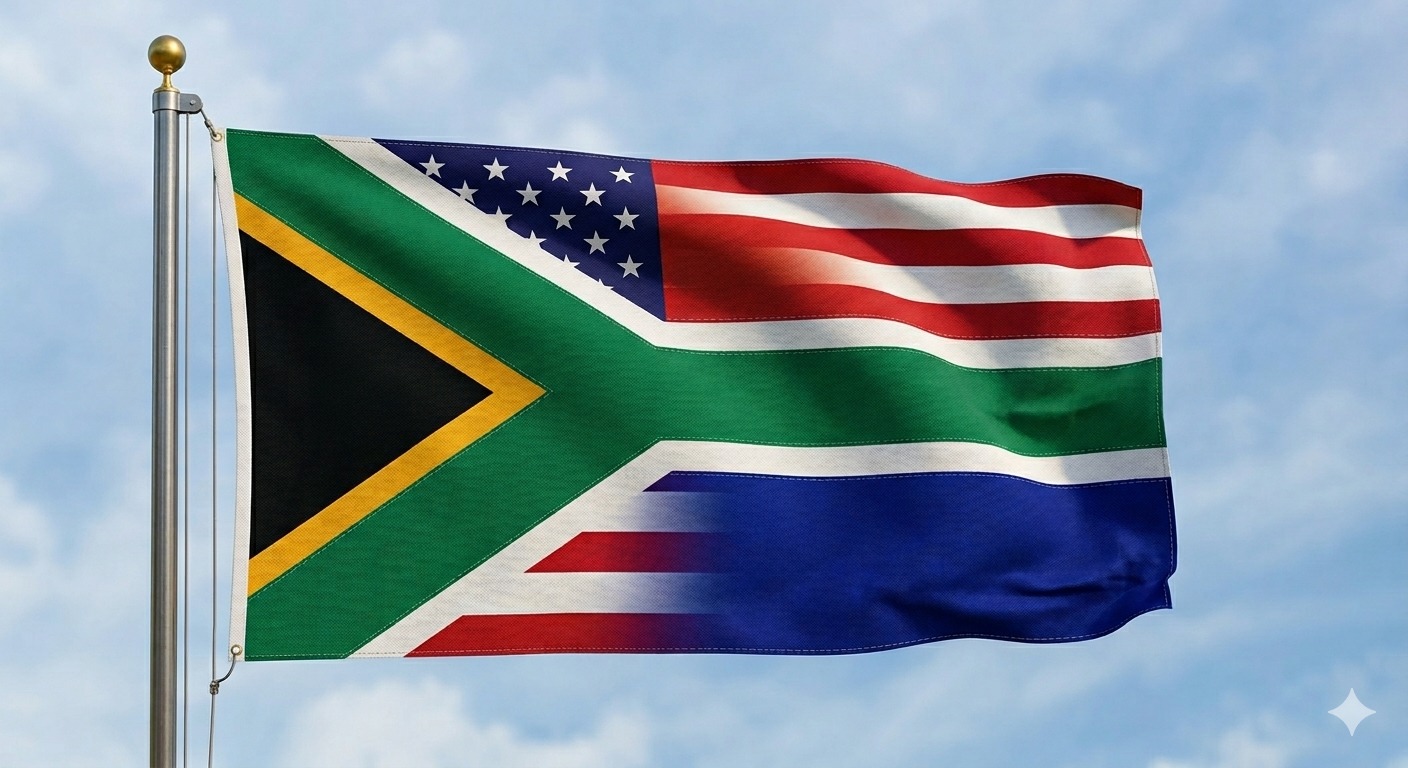
The discussions come as governments and companies worldwide adjust to a more fragmented global trading environment, where economic policy is increasingly influenced by strategic, political and security considerations.
For South Africa, access to major export markets remains critical for sectors including automotive manufacturing, agriculture, mining and industrial production. Any changes affecting trade conditions could influence export earnings, employment and broader economic activity.
Industry representatives say uncertainty itself presents a challenge. Companies making investment decisions often require visibility regarding future trade rules, market access conditions and regulatory expectations. Shifting policies can complicate production planning, supply-chain management and capital allocation.
The situation highlights the growing importance of trade diversification as businesses seek to reduce dependence on individual markets. Many firms are exploring opportunities across Africa, Asia and the Middle East as part of broader efforts to strengthen resilience against policy-driven disruptions.
Economists note that South Africa's export sector remains a key source of foreign exchange earnings and industrial employment. Maintaining competitiveness in global markets is therefore viewed as an important component of economic growth and fiscal stability.
The development also underscores wider questions facing emerging economies. As major powers increasingly use trade policy to pursue strategic objectives, businesses are being forced to adapt to an environment where geopolitical developments can directly affect commercial operations.
Investors are paying close attention to how governments respond. Measures aimed at improving infrastructure, reducing logistical bottlenecks and strengthening industrial competitiveness may become increasingly important in attracting investment and supporting export growth.
For corporate leaders, the challenge lies in balancing short-term uncertainty with long-term expansion opportunities. The outcome of ongoing trade discussions could influence business confidence, investment flows and economic prospects across multiple sectors of the South African economy.