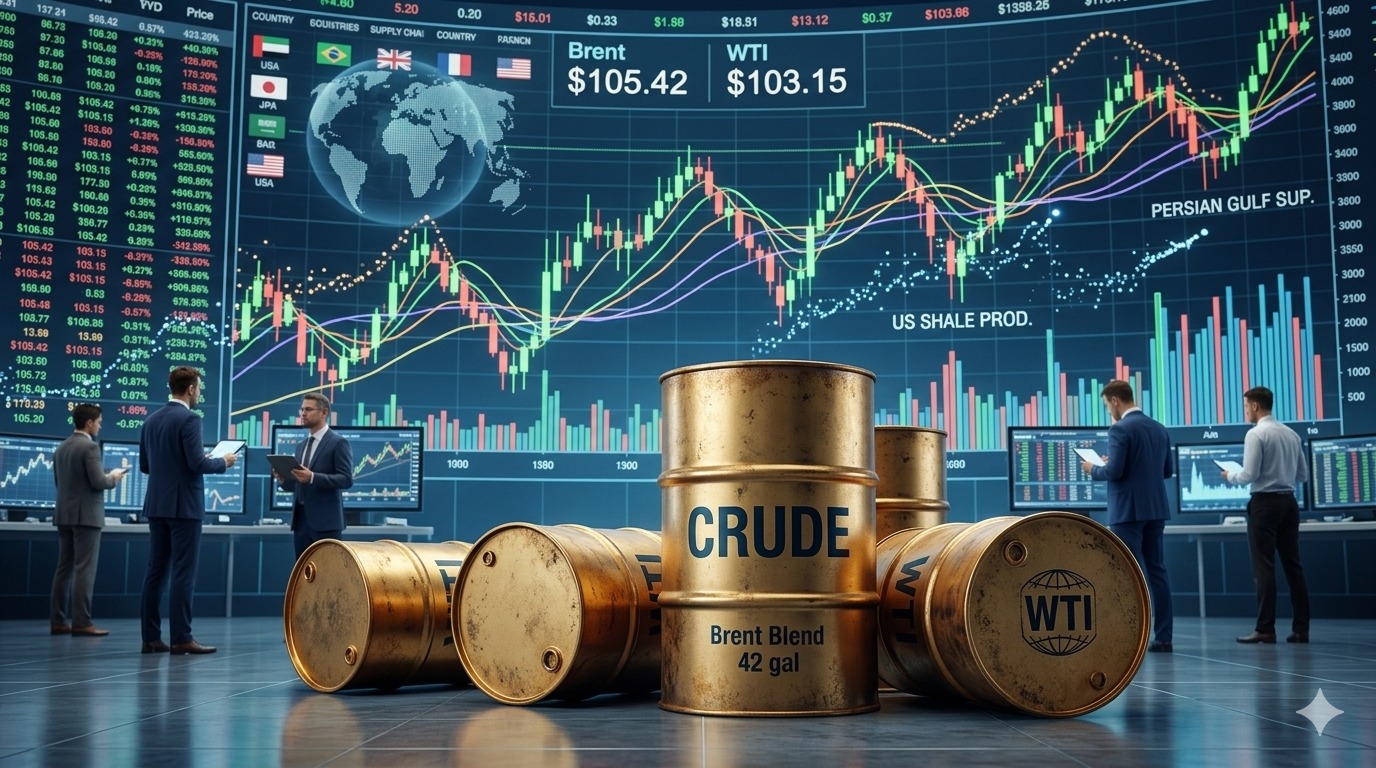
Crude markets have been closely monitoring diplomatic and security developments involving Iran and regional powers, with traders assessing the likelihood of disruptions to energy flows through strategically important shipping routes.
While no major interruption to global supply has occurred, the persistence of geopolitical risk has maintained a risk premium in oil markets, contributing to higher prices and renewed caution among businesses dependent on stable energy costs.
For manufacturers, logistics providers and airlines, elevated oil prices translate directly into higher operating expenses. Transport-intensive industries are particularly exposed, as fuel remains a significant component of overall costs and pricing structures.
Economists say sustained energy-price increases could complicate efforts by central banks to bring inflation back toward target levels. Higher fuel costs often feed into broader consumer prices through transportation, production and distribution channels, creating challenges for policymakers attempting to balance growth and price stability.
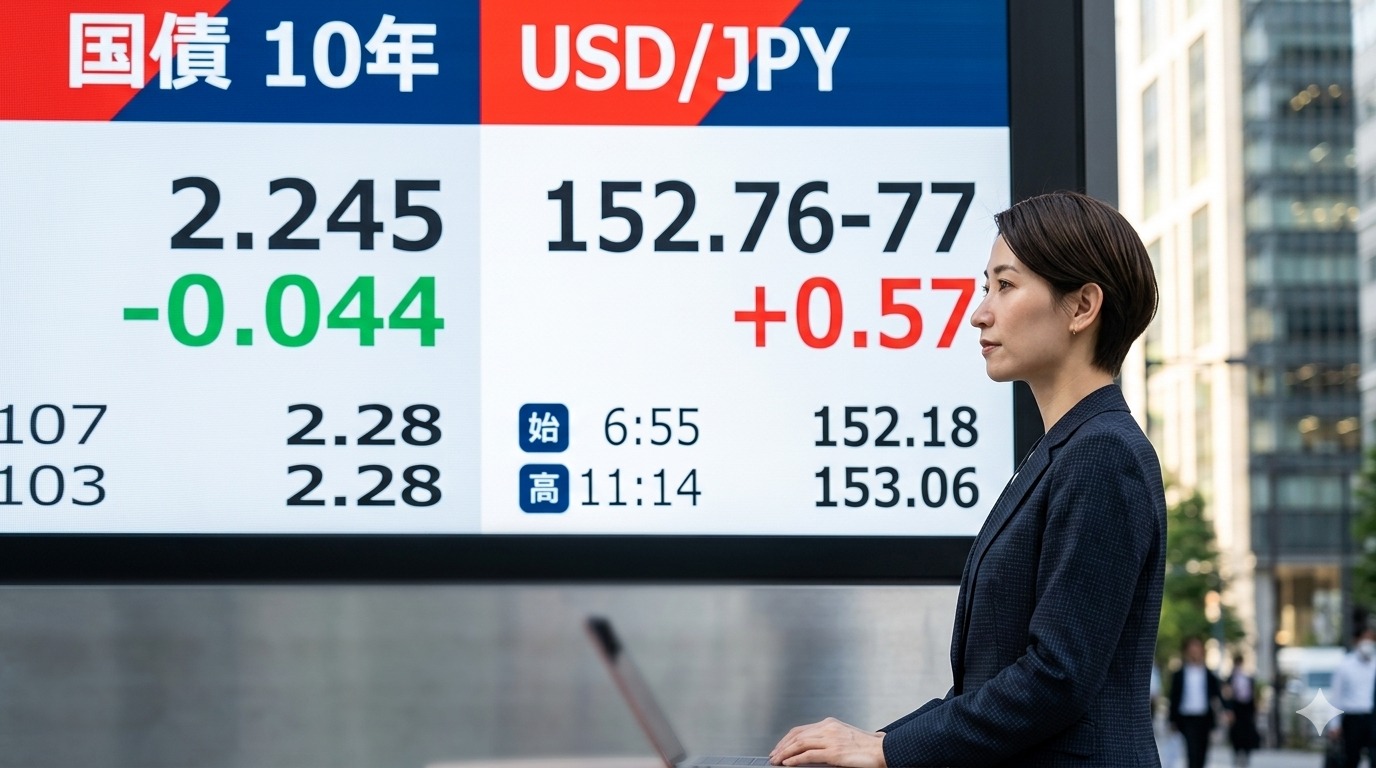
The development is also influencing investor expectations across financial markets. Rising oil prices have contributed to volatility in bond yields and increased scrutiny of inflation-sensitive sectors, while energy producers have generally benefited from stronger commodity prices.
Governments in energy-importing economies are paying close attention to the situation, particularly those already facing pressure from currency weakness, fiscal constraints or elevated food-import costs. A prolonged period of higher oil prices could increase economic vulnerability in several emerging markets.
For corporate leaders, the current environment reinforces the importance of energy planning, supply-chain resilience and cost management. Many companies have expanded hedging strategies and contingency planning in response to repeated disruptions affecting global trade and commodity markets.
As markets await further geopolitical developments, oil remains one of the most important indicators linking international security developments to business conditions, inflation expectations and economic performance.