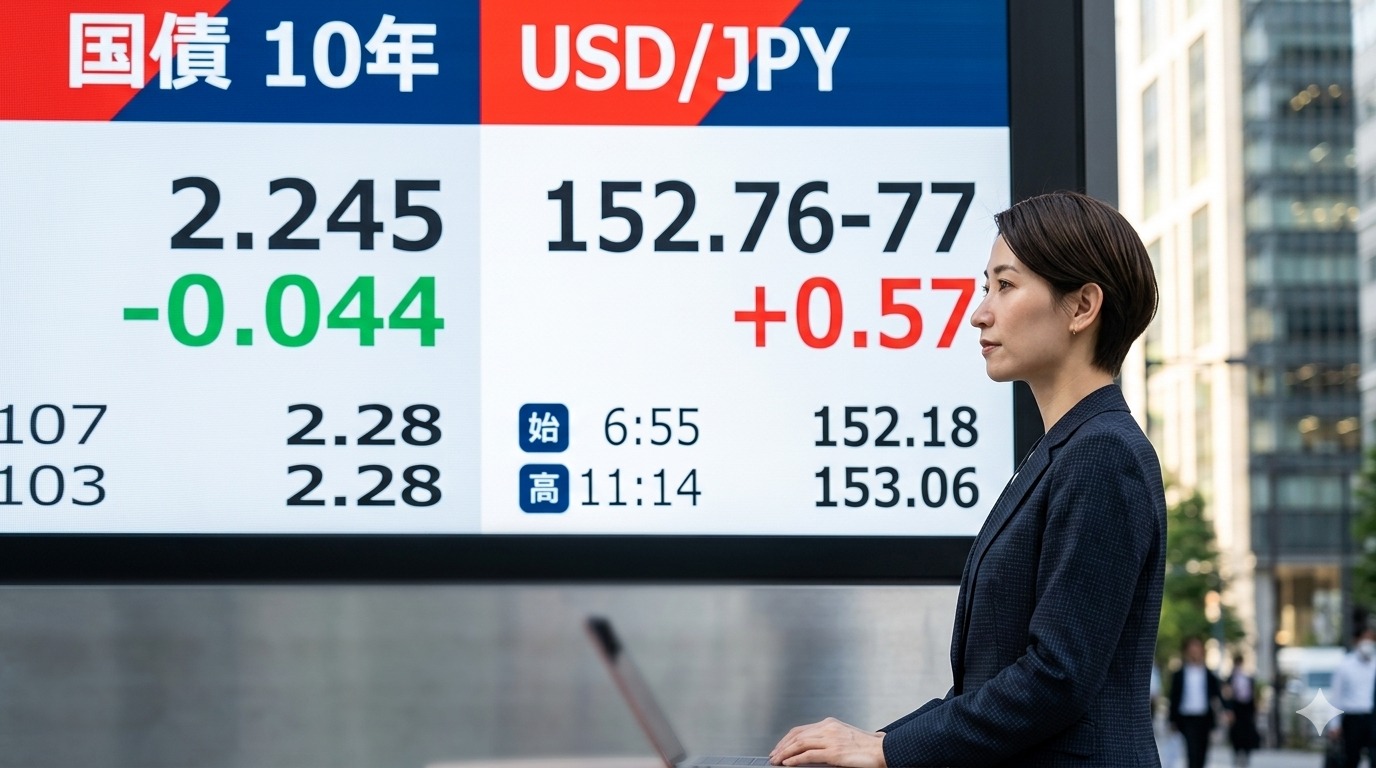
The labour-market release arrives at a critical moment for financial markets, which have spent much of the year balancing optimism around economic resilience against concerns that inflation could remain above central-bank targets longer than anticipated.
Employment figures are among the most closely monitored indicators by policymakers because they provide insight into wage growth, consumer demand and broader economic momentum. Strong hiring could reinforce concerns that inflationary pressures remain persistent, while weaker-than-expected data may strengthen expectations that monetary conditions could ease later this year.
The implications extend well beyond the United States. Global investors increasingly use U.S. economic data as a benchmark for assessing risk, pricing assets and allocating capital across developed and emerging markets.
Bond markets have remained particularly sensitive to employment data, with Treasury yields responding sharply to signals that may alter expectations for future Federal Reserve policy decisions. Changes in U.S. yields often influence borrowing costs globally, affecting everything from corporate financing to sovereign debt issuance.
For emerging markets, the outcome is especially significant. Higher U.S. yields can strengthen the dollar and attract capital away from developing economies, increasing financing pressure and currency volatility. Conversely, signs of slowing economic momentum could improve risk appetite and support capital flows into higher-growth regions.
Business leaders are also monitoring the report closely. Interest-rate expectations influence corporate investment decisions, merger activity, borrowing costs and consumer demand across multiple sectors.
As markets await the data, investors remain focused on a central question: whether the world's largest economy is slowing enough to ease inflation pressures without triggering a broader downturn.
The answer could shape market sentiment, monetary policy expectations and investment strategy across global financial markets for the remainder of 2026.