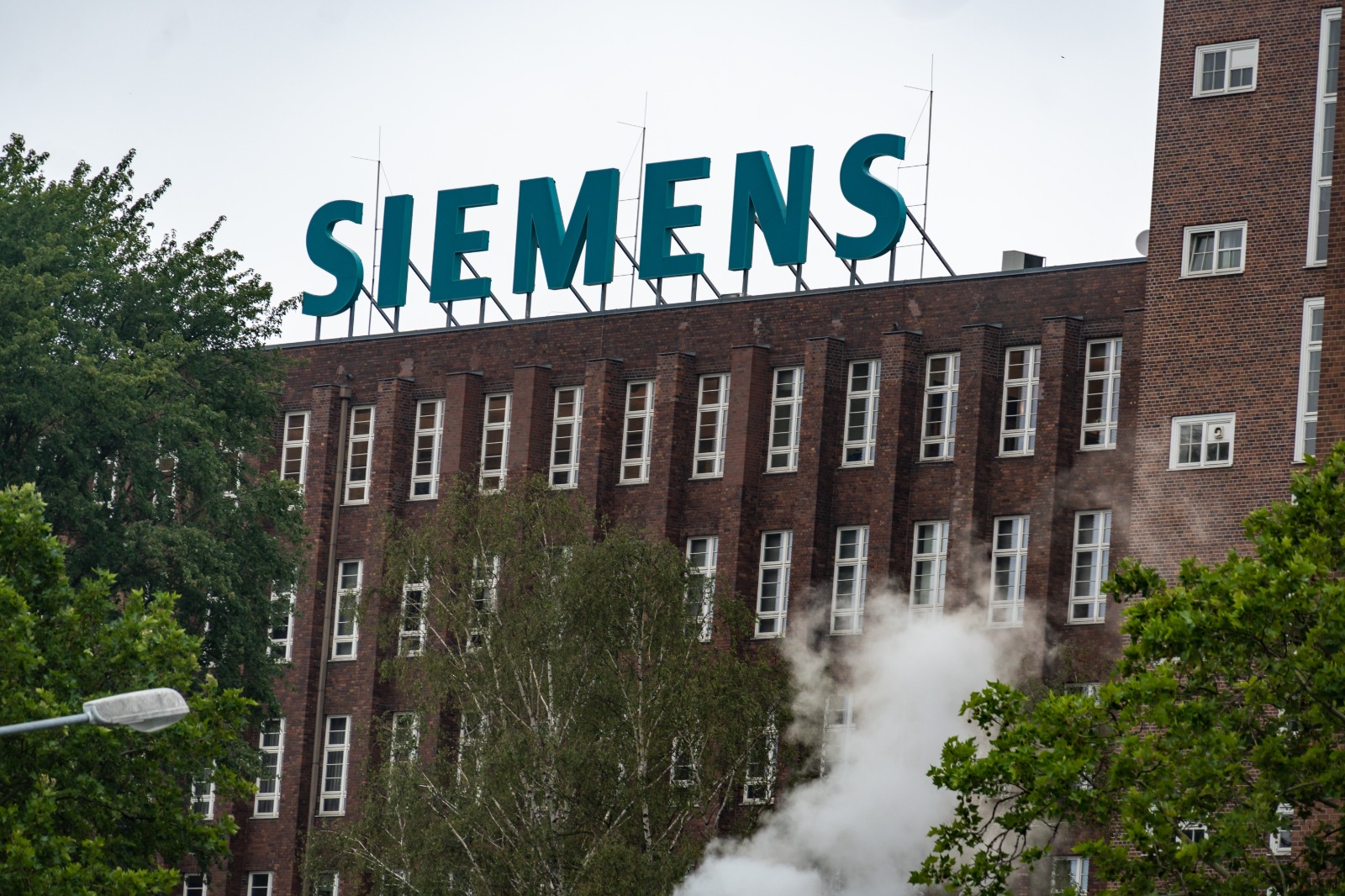
The German energy equipment manufacturer said it expected its profit margin to increase to between 14% and 16% in 2027, compared with 12.4% in 2026. The forecast reflects sustained demand for equipment used to support electricity generation and transmission, particularly as data-centre operators expand computing capacity.
The company’s expectations came alongside plans to more than triple its dividend for 2026. It proposed a payment of €2.30 per share, compared with €0.70 a year earlier.
Chief Executive Christian Bruch said data-centre-related orders for gas turbines and grid equipment represented approximately €15 billion, equivalent to 9.1% of Siemens Energy’s record €164 billion order backlog.
The figures demonstrate how the rapid expansion of artificial-intelligence services is creating demand beyond semiconductor manufacturers and software developers. Large data centres require substantial and reliable electricity supplies, increasing the need for generation equipment, grid connections and infrastructure capable of handling higher power consumption.
The company said it had not seen a fundamental change in demand or project management despite concerns that tighter regulation of AI infrastructure in the United States could affect future construction activity. Bruch acknowledged that some expectations for data-centre expansion might have been overstated but maintained that demand remained sufficient.
The company’s Siemens Gamesa wind division also reached a closely watched break-even target, marking progress after years of losses and restructuring. The milestone provides a further indication of improving operational performance across parts of the group.
Siemens Energy shares rose 7.6% in early trading following the announcement. The company had also announced a €9 billion share buyback programme late on Tuesday.
The improved outlook comes as investors reassess the financial sustainability of the AI investment boom. While technology shares have faced pressure over spending and valuations, demand for the physical infrastructure required to power AI systems remains an important source of orders for industrial suppliers.
For Siemens Energy, the challenge will be converting its substantial order backlog into profitable projects while managing supply-chain pressures, execution risks and the changing regulatory environment.