The initiative, known as Project Faro, is expected to develop a dollar-denominated stablecoin and could eventually extend to tokens linked to other major currencies. The funding is intended to cover approximately five years of operating costs for the venture, according to a Bloomberg report cited by CoinDesk.
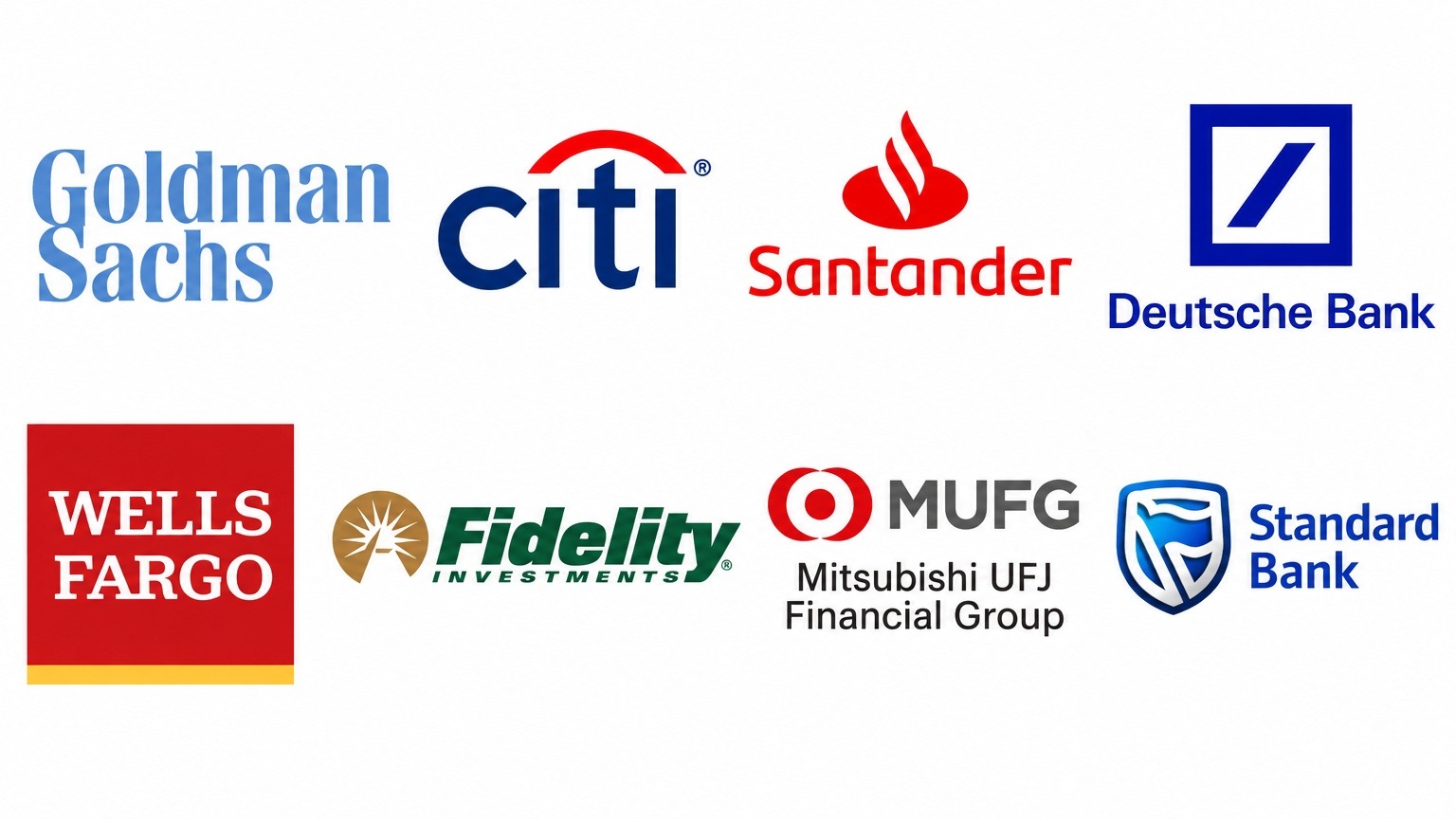
Goldman Sachs, Citigroup, Santander and Deutsche Bank are among the financial institutions involved. Other participants reportedly include Wells Fargo, Fidelity, Japan’s Mitsubishi UFJ Financial Group and South Africa’s Standard Bank.
The project reflects a broader effort by established financial institutions to participate in the development of digital payment systems rather than leave the expanding market to cryptocurrency companies and technology platforms.
Stablecoins are digital tokens designed to maintain a relatively stable value by being linked to conventional assets, most commonly national currencies such as the US dollar. They are used in cryptocurrency trading, transfers, and other blockchain-based transactions, where their value stability can make them more practical than highly volatile digital assets.
Project Faro is expected to be incorporated in the United States. Beyond its initial dollar-denominated offering, the venture reportedly intends to explore stablecoins linked to other Group of Seven currencies, with a euro-denominated token identified as a priority.
The participation of major banks is significant because these institutions possess established customer networks, compliance systems and financial infrastructure that could support wider institutional adoption of digital currencies.
However, the development of bank-backed stablecoins also raises questions about regulatory oversight, reserve management, redemption arrangements and the relationship between privately issued digital money and existing payment systems.
The proposed venture will need to establish how its tokens are backed, how customers can redeem them, and which regulatory requirements will govern their issuance and circulation. The ability to provide transparency and confidence in the underlying reserves will be important to attracting users beyond the institutions involved in the project.
The $270 million commitment also illustrates how competition in financial services is increasingly extending into the infrastructure of digital money. Banks are seeking to maintain their relevance as payments, settlement, and cross-border transfers evolve.
Although the venture remains at an early stage, its development could provide an indication of how traditional financial institutions intend to participate in the next phase of digital asset adoption.