Brent crude futures fell by about 1.6% to $102.60 a barrel by 0819 GMT, while US West Texas Intermediate declined 1.4% to $90.18. The retreat followed a sharp rise on Thursday, when both benchmarks gained about 4%, leaving Brent on course for a weekly increase despite Friday’s decline.
Trump said the United States was engaged in productive discussions with Tehran and would not attack Iran before the elections. Iran’s Tasnim news agency reported that Foreign Minister Abbas Araqchi was reviewing a US response to a proposal that would reopen the Strait of Hormuz within seven days. The proposal’s outcome remained uncertain, and market participants continued to monitor whether diplomatic statements would translate into safer shipping conditions.
The Strait of Hormuz is a critical route for global oil and fuel shipments. Threats to vessels in the Persian Gulf and around the Red Sea have made traders reluctant to assume that supply risks have passed. The conflict has also disrupted refined-fuel flows, including diesel, while China’s planned resumption of refined-product exports after its Golden Week holiday may provide some relief to tight markets.
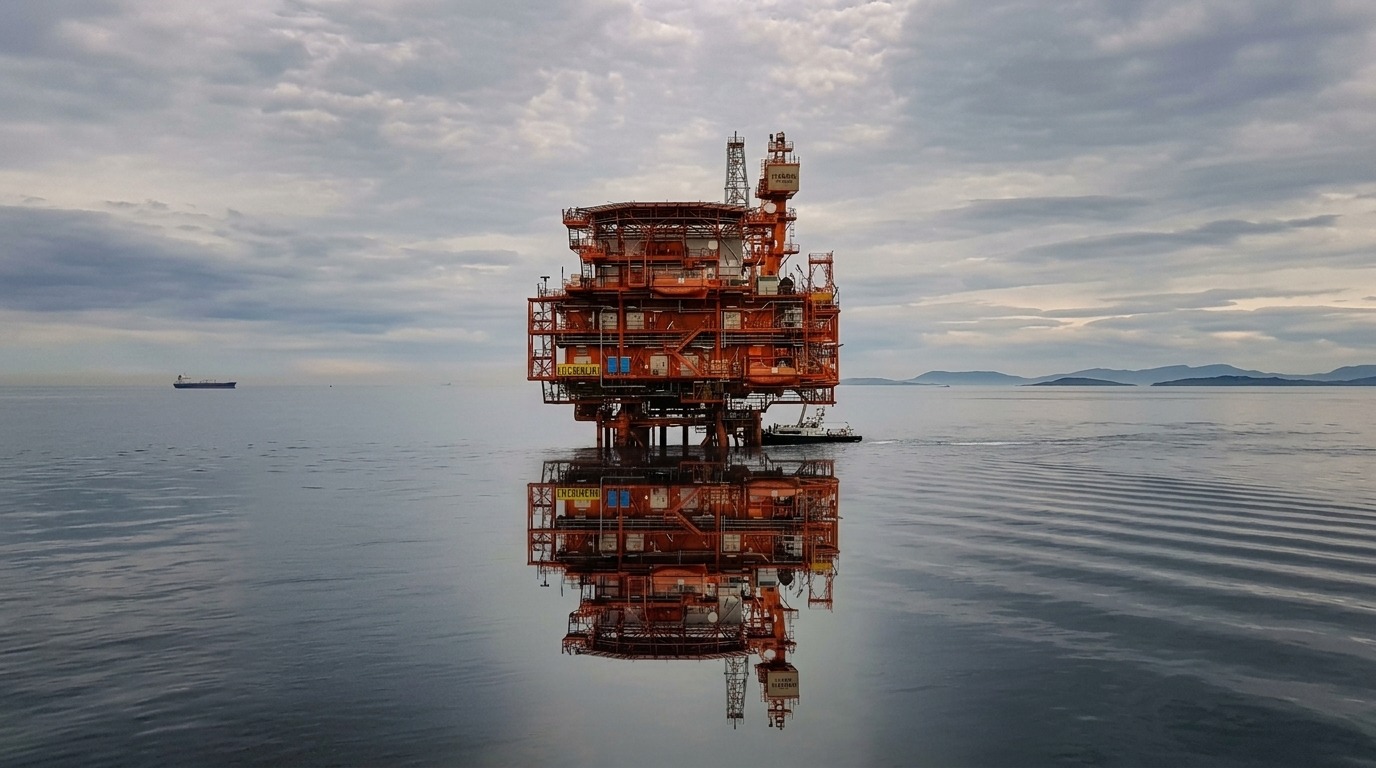
Supply concerns are not confined to the Middle East. Hurricane Isaias has forced producers to shut in about 1.3 million barrels per day of US Gulf of Mexico oil production, or 62.9% of current output, according to the US Marine Minerals Administration. The duration of the disruption will depend on post-storm inspections and the speed at which offshore facilities return to service.
Analysts cautioned that a sustained decline in prices would require tangible progress in negotiations and improvements in shipping safety. For import-dependent economies and energy-intensive businesses, lower crude prices could ease inflationary pressure, but renewed attacks or prolonged production outages could quickly reverse the move.