Brent crude fell after Trump said Washington would not attack Iran before the US midterm elections, while also citing productive discussions with Tehran. The statement eased immediate concerns about a further escalation, but did not resolve the risks facing vessels travelling through the Persian Gulf, the Strait of Hormuz and the Red Sea.
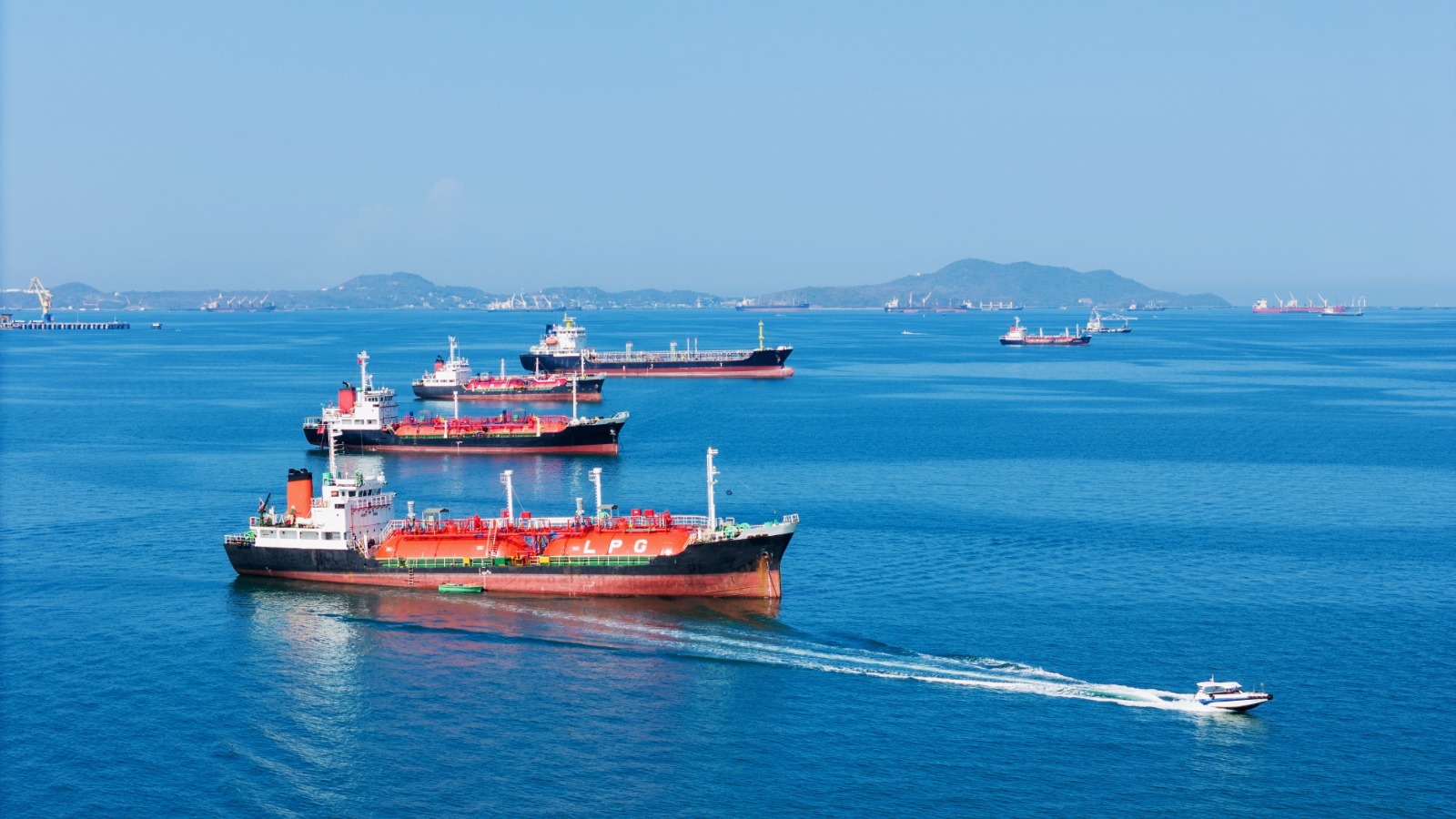
The Strait of Hormuz is a major route for global oil and fuel shipments. Threats to commercial vessels and uncertainty over the conflict have increased the risk premium embedded in prices. Even if diplomatic contacts continue, shipping companies, insurers and energy traders will need evidence of sustained improvements in safety before assuming that transport can return to normal.
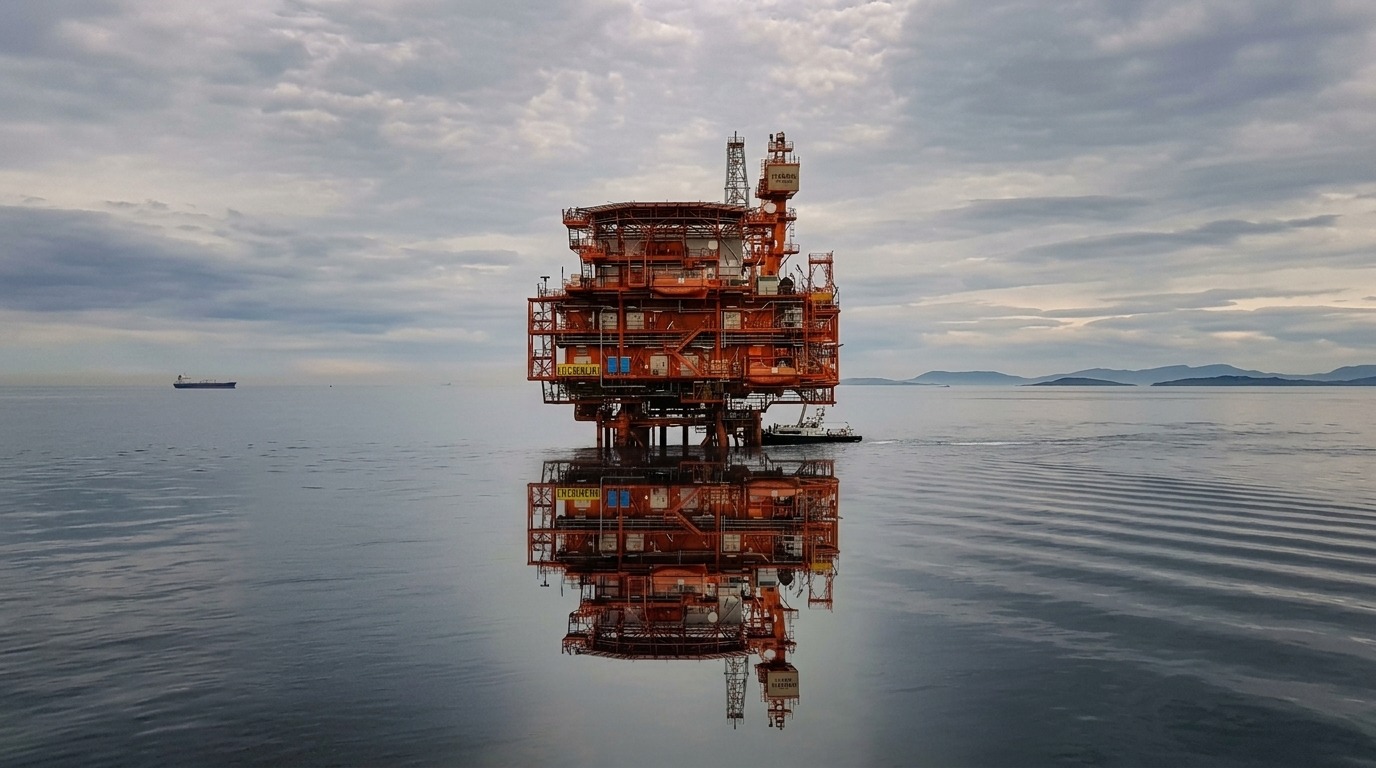
Oil supply has also been affected by Hurricane Isaias in the Gulf of Mexico. US offshore producers had shut in about 1.3 million barrels per day of oil output by Thursday, representing 62.9% of current production, according to the US Marine Minerals Administration. Operators must assess offshore platforms and associated infrastructure before restoring output, making the duration of the disruption uncertain.
China’s planned resumption of refined-fuel exports after its Golden Week holiday may help ease some pressure on product markets. However, the effect will depend on export volumes and whether supply disruptions elsewhere continue. Refinery operations, shipping availability and insurance costs remain important variables for the availability of diesel, jet fuel and other products.
Volatile oil prices pose risks for energy-importing economies, transport companies and manufacturers. Higher crude prices can raise fuel and logistics costs and complicate central banks’ efforts to contain inflation. A sustained decline would offer relief, but a renewed disruption could quickly push prices higher.
Market participants are therefore likely to remain sensitive to developments on two fronts: the progress of US-Iran negotiations and the pace of recovery in Gulf of Mexico production. Until both supply and shipping conditions become clearer, price movements are likely to remain abrupt.