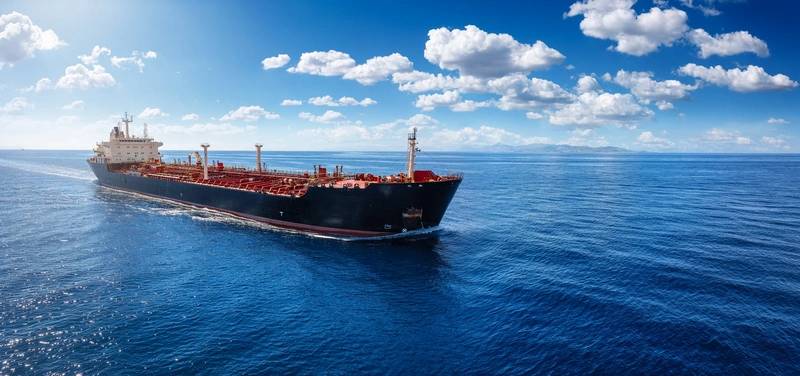
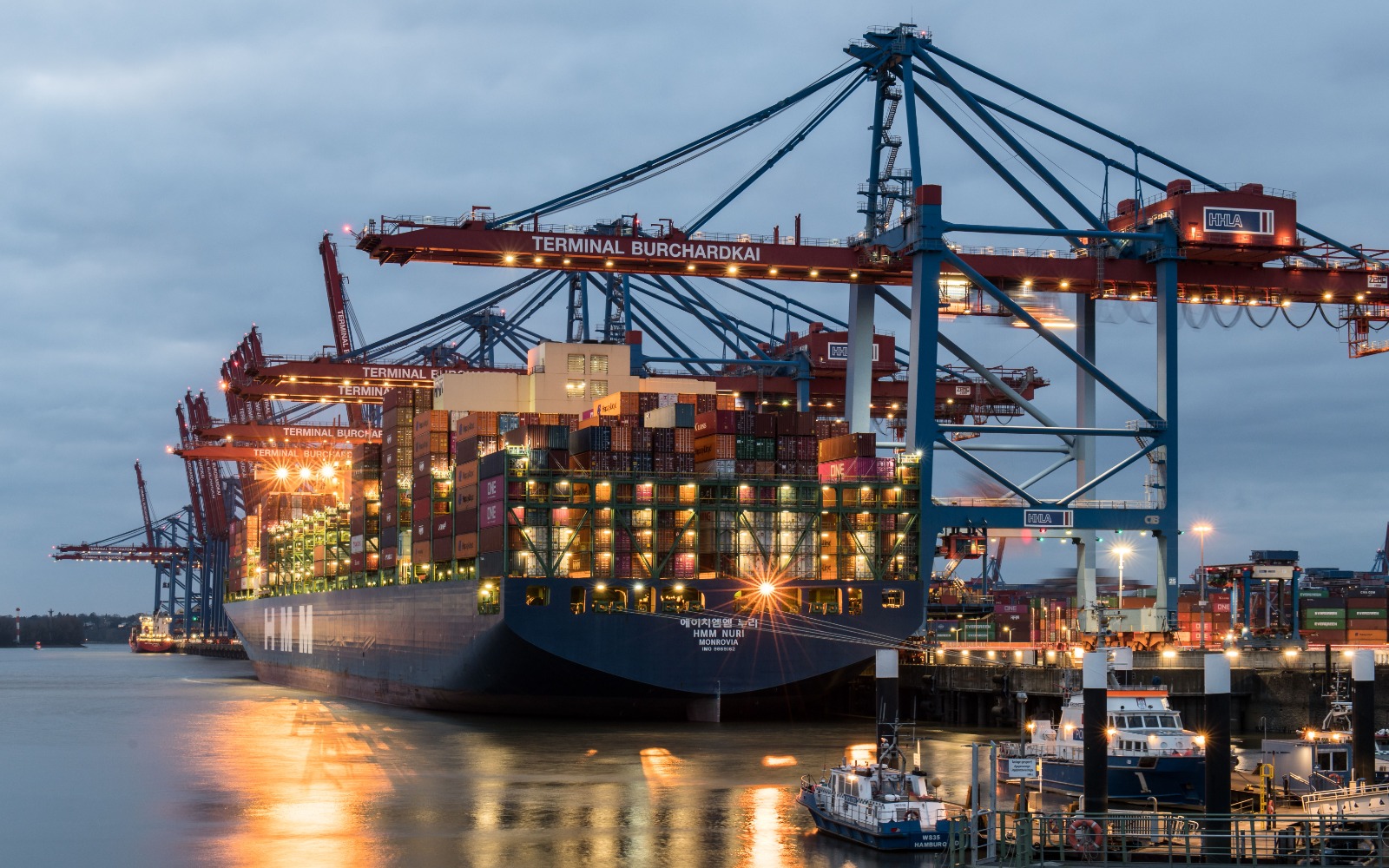
Although independent verification of the attack and its full impact remains limited, the development prompted an immediate reassessment of shipping and energy security risks. The Red Sea carries a significant share of global container traffic and energy exports through the Bab el-Mandeb Strait, making any disruption a concern for commodity markets, insurers and multinational supply chains. Even isolated security incidents can increase shipping costs, extend transit times and encourage vessel operators to consider longer alternative routes around the Cape of Good Hope. These adjustments can translate into higher freight rates and increased costs for manufacturers and retailers worldwide.
Oil markets responded cautiously as traders evaluated whether the incident represented an isolated event or the beginning of renewed instability. Previous disruptions in the region have demonstrated how geopolitical tensions can rapidly influence crude prices, particularly when they threaten key export routes. While physical supplies have not yet been materially affected, investors remain alert to any escalation that could tighten global energy markets or complicate inflation expectations for major economies.
For governments and shipping companies, the incident reinforces the importance of maritime security and supply-chain resilience. Many logistics operators have invested heavily in contingency planning since earlier Red Sea disruptions, including diversifying transport routes, increasing inventory buffers and strengthening risk management frameworks. Those measures may help limit the immediate economic impact, but they also add to operating costs that businesses continue to face amid elevated interest rates and uncertain global demand.
The episode also highlights the growing intersection between geopolitics and corporate strategy. Energy producers, shipping firms and manufacturers increasingly incorporate regional security risks into investment decisions, recognising that geopolitical developments can influence capital allocation as much as traditional economic indicators.
Investors will now monitor official statements from regional governments, maritime security agencies and commercial shipping operators for evidence of whether the reported attack remains an isolated security event or signals a broader deterioration in conditions across one of the world's most important trade corridors.