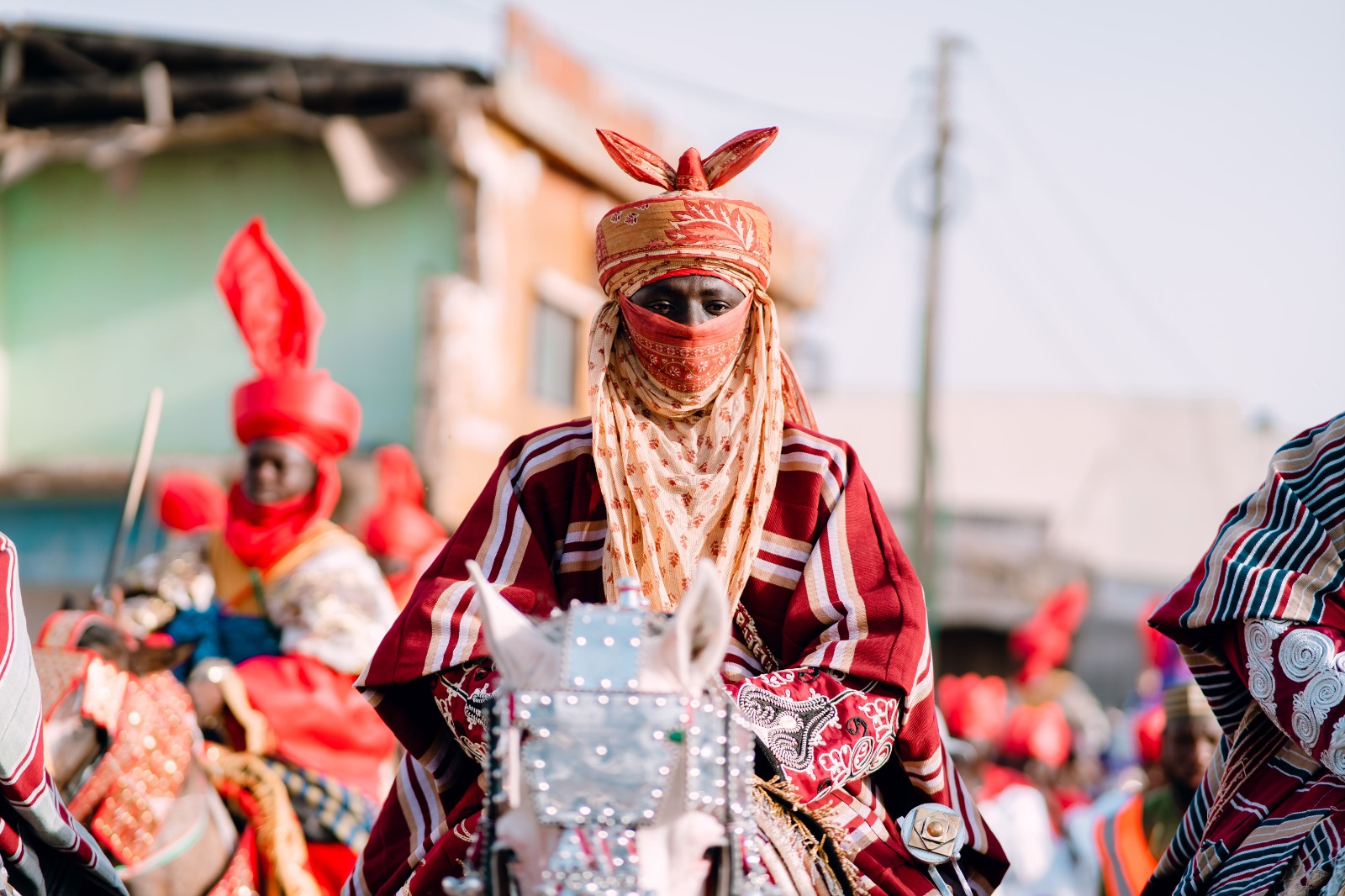

Afrobeats dominates streaming charts, African filmmakers secure international distribution, fashion designers appear on global runways, digital creators reach audiences numbering in the millions and creative entrepreneurs are building businesses that extend far beyond national borders.
Yet beneath this commercial success lies a structural weakness.
Much of Africa's creative economy continues to generate cultural influence faster than institutional wealth. While creative exports expand, many creators remain unable to capture the full economic value of their intellectual property due to weak copyright enforcement, fragmented royalty systems, limited licensing frameworks, informal commercial structures and underdeveloped intellectual property markets.
The result is an economy where creative works travel globally, but ownership, monetisation and long-term asset creation frequently remain constrained.
This challenge extends beyond individual artists.
It affects investors seeking bankable creative assets, financial institutions exploring intellectual property-backed financing, governments aiming to expand non-resource exports, technology platforms licensing African content and international companies acquiring creative rights.
The future competitiveness of Africa's creative industries will therefore depend not only on producing world-class talent but also on building institutions capable of protecting, commercialising and financing intellectual property at scale.
Copyright should no longer be viewed simply as legal protection.
It is economic infrastructure.
Countries that establish transparent royalty systems, effective copyright enforcement, efficient licensing mechanisms and investable intellectual property frameworks will be better positioned to transform cultural influence into sustainable economic growth.
Why It Matters
Africa's creative industries have become one of the continent's fastest-growing knowledge economies.
Across music, film, publishing, animation, fashion, gaming, design and digital media, African creators are attracting global audiences while contributing to employment, entrepreneurship and international brand recognition.
However, commercial success within the creative economy increasingly depends not only on talent but also on ownership.
The creators, businesses and nations that control intellectual property capture significantly greater long-term economic value than those that simply produce content.
This distinction has profound implications for Africa's economic future.
Intellectual Property Is an Economic Asset
Historically, copyright has often been discussed primarily as a legal mechanism designed to prevent infringement.
That perspective is increasingly outdated.
Globally, intellectual property has evolved into one of the world's most valuable economic assets.
Music catalogues, publishing rights, film libraries, digital content, software, trademarks and licensing agreements now generate recurring revenues that extend for decades beyond their original creation.
For investors, these assets represent predictable cash flows.
For financial institutions, they increasingly serve as collateral.
For governments, they contribute to export earnings, tax revenues and knowledge-based economic growth.
Africa's creative economy cannot achieve its full commercial potential without recognising intellectual property as productive capital rather than merely artistic ownership.
Creativity Is Becoming Strategic Infrastructure
Around the world, governments increasingly view creative industries as components of national economic strategy.
The United Kingdom, South Korea and the United States have demonstrated how creative exports generate employment, attract foreign investment, strengthen tourism, enhance diplomatic influence and reinforce national branding.
Africa possesses similar opportunities.
Its creative industries already influence global music, fashion, film, cuisine and popular culture.
The next stage of development requires institutional systems capable of converting that influence into durable economic value.
Creative industries should therefore be understood not simply as cultural sectors but as strategic industries contributing to economic diversification.
Global Demand Continues to Expand
International demand for African creative content continues to increase across multiple sectors.
Streaming platforms invest in African music and film.
Luxury brands collaborate with African designers.
Publishers seek African authors.
Gaming studios increasingly draw upon African stories and cultural narratives.
Digital platforms connect creators directly with international audiences.
This growing demand creates significant commercial opportunity.
However, international exposure also increases the importance of ownership.
Without effective copyright registration, licensing systems and royalty administration, creators risk generating substantial economic value without retaining proportionate financial benefit.
Royalties Build Long-Term Wealth
Creative work differs from many traditional economic activities because intellectual property can continue generating revenue long after its creation.
Songs produce streaming royalties.
Films generate licensing income.
Books earn publishing rights.
Photography creates licensing opportunities.
Fashion designs generate brand value.
Software produces subscription revenues.
Strong royalty systems therefore transform creativity from short-term income into long-term wealth creation.
This distinction is particularly significant for African creators seeking financial stability and institutional investment.
Reliable royalty income increases bankability, improves investment attractiveness and supports sustainable business development.
Institutionalisation Determines Scale
Talent alone rarely builds globally competitive creative industries.
Successful creative economies depend upon institutions.
Copyright offices.
Collective management organisations.
Licensing agencies.
Specialised intellectual property courts.
Creative investment funds.
Industry associations.
Transparent data systems.
Professional contract standards.
These institutions reduce commercial uncertainty while increasing investor confidence.
The countries that develop them most effectively are likely to capture significantly greater value from their creative sectors than those relying primarily on individual entrepreneurial success.
Africa's challenge is therefore institutional as much as artistic.
The objective is not simply producing more creative talent.
It is building systems that enable creators, investors and businesses to commercialise that talent sustainably across regional and global markets.
Who It Affects
The institutionalisation of Africa's creative economy extends far beyond artists and entertainers. It influences investment markets, technology platforms, financial institutions, policymakers, legal systems and international trade. As intellectual property becomes a strategic economic asset, the strength of Africa's copyright ecosystem will increasingly determine who captures the value created by the continent's cultural influence.
Creators and Creative Entrepreneurs
For musicians, filmmakers, authors, designers, photographers, visual artists, animators, game developers and digital creators, intellectual property is their primary commercial asset.
Yet many African creators continue to rely heavily on performance fees, brand partnerships or commissioned work rather than recurring income generated through licensing and royalty systems.
This creates an unstable commercial model in which earnings are tied to constant production rather than the long-term monetisation of existing intellectual property.
Institutionalising copyright changes that equation.
When rights are properly registered, managed and enforced, creative works become income-generating assets capable of producing royalties through broadcasting, streaming, publishing, merchandising, synchronisation licensing, adaptations and international distribution.
This allows creators to transition from freelancers selling labour to entrepreneurs managing intellectual property portfolios.
Investors and Financial Institutions
Creative industries are increasingly attracting institutional investment worldwide because intellectual property has become an investable asset class.
Music catalogues, publishing rights, film libraries and digital content now generate predictable long-term revenues that appeal to private equity firms, specialist investment funds and institutional investors.
Africa remains significantly undercapitalised in this area.
Many investors recognise the commercial potential of African creative industries but remain constrained by fragmented rights management systems, inconsistent royalty collection and limited transparency regarding intellectual property ownership.
As copyright institutions strengthen, intellectual property can become increasingly bankable.
Future opportunities may include:
Intellectual property-backed financing.
Royalty investment funds.
Creative infrastructure financing.
Content acquisition funds.
Film and television investment vehicles.
Catalogue acquisitions.
Cross-border licensing platforms.
The development of these financial products could substantially increase capital available to Africa's creative industries.
Governments and Policymakers
For governments, copyright is no longer simply a legal issue.
It is industrial policy.
Creative industries contribute to employment, exports, tourism, innovation and national competitiveness.
Weak copyright systems reduce tax revenues, discourage investment and allow significant economic value to leak into informal markets or overseas jurisdictions.
Governments seeking to diversify beyond commodity-dependent economies therefore have strong incentives to modernise copyright legislation, strengthen enforcement institutions and improve the commercial environment for creative businesses.
Institutional reform should be viewed as an investment in economic competitiveness rather than solely regulatory compliance.
Technology Platforms and Digital Distributors
Streaming services, digital publishers, social media companies, gaming platforms and online marketplaces have become major distributors of African creative content.
Their commercial success increasingly depends upon access to licensed intellectual property.
Transparent rights ownership benefits both creators and platforms.
For platforms, it reduces legal uncertainty and simplifies licensing negotiations.
For creators, it improves royalty tracking, payment transparency and international commercial opportunities.
As Africa's digital economy expands, technology companies will play an increasingly influential role in shaping the continent's intellectual property ecosystem.
Creative Institutions and Collective Management Organisations
Collective Management Organisations (CMOs), copyright agencies, publishing societies and licensing bodies represent essential components of mature creative economies.
Their effectiveness determines whether royalties are accurately collected, distributed and audited.
Where these institutions operate transparently and efficiently, confidence increases among creators, investors and commercial users.
Where governance remains weak, royalty systems lose credibility, creators disengage and commercial disputes increase.
Strengthening institutional capacity therefore remains central to expanding Africa's creative economy.
Where the Opportunity Is
Africa's intellectual property economy is evolving rapidly.
Several high-growth sectors demonstrate particular potential for generating long-term value through stronger copyright systems, licensing frameworks and royalty administration.
Music and Recorded Entertainment
African music has become one of the continent's most globally recognised cultural exports.
Streaming platforms, international record labels, live entertainment companies and advertising agencies increasingly license African music for commercial use across global markets.
However, commercial success depends not only on audience growth but also on ownership structures.
Artists and rights holders who retain publishing rights, master recordings and licensing control are generally positioned to capture significantly greater long-term value than those relying primarily on performance income.
The next phase of industry development will depend on strengthening publishing administration, neighbouring rights management, royalty collection systems and international licensing agreements.
Film, Television and Streaming Content
Africa's film industry is experiencing rapid expansion through growing investment from broadcasters, streaming services and international production companies.
Demand for African stories has never been stronger.
Yet ownership structures remain uneven.
Many production companies continue to finance projects through agreements that transfer substantial intellectual property rights to external partners.
Strengthening copyright protection, contract standards and licensing expertise will enable African producers to retain greater ownership while building sustainable film libraries capable of generating long-term licensing revenues.
Content ownership, not simply production volume, will increasingly determine commercial success.
Publishing and Knowledge Industries
Publishing remains one of the most overlooked components of Africa's intellectual property economy.
Books, educational materials, research publications and digital learning platforms create recurring commercial opportunities through licensing, translation rights, educational partnerships and international distribution.
As demand for African knowledge products expands, publishers capable of protecting intellectual property while investing in digital distribution stand to benefit significantly.
Publishing should therefore be viewed as strategic knowledge infrastructure rather than simply a cultural sector.
Fashion, Design and Cultural Brands
African fashion has evolved beyond traditional apparel into a globally recognised creative industry.
Designers increasingly collaborate with luxury brands, retailers and international fashion houses.
However, commercial expansion also increases exposure to unauthorised copying, trademark disputes and design infringement.
Stronger protection for trademarks, industrial designs and brand licensing enables designers to scale internationally while preserving commercial ownership of their creative assets.
The future of African fashion depends not only on creativity but also on institutional protection.
Digital Content, Gaming and Creative Technology
Digital creators represent one of Africa's fastest-growing creative sectors.
Gaming studios, animation companies, software developers, influencers, podcasters and digital educators increasingly generate valuable intellectual property through online platforms.
Unlike traditional media industries, digital content scales rapidly across international markets.
This creates significant opportunities for licensing, subscription models, advertising partnerships and platform monetisation.
However, digital expansion also increases the importance of effective copyright registration, digital rights management and platform governance.
The businesses that combine technological capability with strong intellectual property management are likely to become the continent's next generation of creative enterprises.
Market Signals
Several structural developments indicate that Africa's intellectual property economy is entering a new phase of commercial maturity:
Growing international demand for African music, film, fashion and digital content.
Increased investment by streaming platforms in African creative industries.
Rising recognition of intellectual property as a bankable commercial asset.
Expansion of digital distribution and creator economy platforms.
Greater interest from private investors in music catalogues and media rights.
Stronger policy discussions around copyright reform and royalty transparency.
Increasing collaboration between African creators and global entertainment companies.
Together, these signals suggest that the future of Africa's creative economy will be shaped not only by talent, but by the institutions that govern ownership, monetisation and long-term commercial value.
Strategic Risks
Africa's creative economy has reached a pivotal moment. While global demand for African content continues to accelerate, the institutional systems required to protect, monetise and finance intellectual property have not evolved at the same pace.
Without structural reforms, the continent risks remaining a global source of creative talent while capturing only a fraction of the long-term economic value generated by its intellectual property.
Weak Copyright Enforcement
Across many African markets, copyright legislation has improved considerably over the past two decades. However, enforcement remains inconsistent.
Unauthorised distribution, piracy, counterfeit products and digital infringement continue to erode creator revenues across music, film, publishing, software and visual arts.
The issue is not merely legal.
Weak enforcement reduces investor confidence because intellectual property cannot function as a secure commercial asset when ownership rights cannot be reliably defended.
For executives and investors, legal certainty is fundamental to capital allocation. For creators, it determines whether years of creative work become enduring assets or short-lived income streams.
Fragmented Royalty Systems
Royalty administration remains one of the most significant institutional challenges facing Africa's creative industries.
Many creators report delayed payments, opaque distribution systems, inconsistent reporting and limited visibility into how royalties are calculated or collected.
This fragmentation discourages professional participation in copyright systems and limits confidence among rights holders.
Transparent, technology-enabled royalty management is increasingly becoming a competitive advantage for creative economies worldwide.
Modern collecting societies should provide accurate data, timely reporting, digital tracking and accountable governance capable of supporting both domestic and international licensing arrangements.
Informality Limits Growth
A substantial proportion of Africa's creative economy continues to operate informally.
Many creators lack registered businesses, documented ownership agreements, publishing contracts, licensing strategies or formal intellectual property registration.
While informality provides flexibility during early-stage growth, it restricts access to institutional finance, international partnerships and scalable commercial opportunities.
Institutionalising creative enterprises enables creators to negotiate from positions of strength while improving access to investment, insurance, banking and export markets.
Financing Remains Limited
Unlike real estate or manufacturing, intellectual property is still rarely recognised as acceptable collateral by most African financial institutions.
As a result, creators and creative businesses often rely on personal savings, short-term commercial income or informal financing to fund production.
This limits the ability to build long-term catalogues, expand creative businesses or invest in higher-quality production.
Developing valuation frameworks for intellectual property will be essential if African financial markets are to support the next generation of creative enterprises.
Cross-Border Rights Management
African creative content increasingly reaches global audiences through streaming platforms, international broadcasters and digital marketplaces.
However, rights administration often remains fragmented across jurisdictions.
Different copyright regulations, licensing standards and royalty systems create complexity for creators seeking international distribution.
Greater regional harmonization, supported by the African Continental Free Trade Area (AfCFTA) and cooperation between national copyright institutions, could significantly improve licensing efficiency while strengthening Africa's negotiating position within global creative markets.
Financing Africa's Intellectual Property Economy
Transforming creativity into a sustainable economic sector requires financial systems capable of recognising intellectual property as a productive asset.
Around the world, creative industries increasingly attract institutional investment because intellectual property generates recurring revenue through licensing, publishing, broadcasting, merchandising, synchronisation rights and digital distribution.
Africa has an opportunity to build similar investment ecosystems.
Intellectual Property-Backed Finance
Financial institutions are beginning to explore how copyrights, publishing rights, trademarks and media catalogues can support lending and structured finance.
Developing reliable valuation standards for intellectual property could enable creators and creative businesses to access long-term capital without relinquishing ownership of their work.
This represents one of the most significant untapped opportunities within Africa's knowledge economy.
Creative Investment Funds
Dedicated investment vehicles focused on music, film, publishing, gaming and digital content can provide patient capital for commercially viable intellectual property.
Rather than financing individual projects alone, these funds can invest in portfolios of creative assets capable of generating diversified royalty income over time.
Such models have gained traction internationally and could become increasingly relevant as African content expands across global markets.
Strategic Corporate Partnerships
Technology companies, broadcasters, telecommunications firms, financial institutions and consumer brands all benefit from strong creative industries.
Partnerships between these organisations and creators can accelerate commercialisation through content licensing, distribution agreements, sponsorships and co-investment in intellectual property development.
However, partnerships should prioritise equitable ownership structures rather than one-off commercial transactions.
The long-term objective should be building African-owned creative assets with enduring market value.
Development Finance and Public Investment
Development finance institutions increasingly recognise the creative economy as a driver of employment, innovation and economic diversification.
Public investment can play an important catalytic role by supporting:
Creative infrastructure.
Copyright modernisation.
Digital rights management systems.
Creative enterprise financing.
Export promotion initiatives.
Intellectual property awareness programmes.
Capacity building for collecting societies.
These investments strengthen the broader ecosystem upon which private investment depends.
What Decision-Makers Should Do Next
For Governments
Governments should position copyright reform as an economic competitiveness strategy.
Priorities include modernising copyright legislation, strengthening enforcement institutions, digitising intellectual property registration, improving judicial capacity and promoting transparent royalty governance.
Creative industries should be integrated into national industrial and export strategies alongside manufacturing, technology and agriculture.
For Creative Businesses
Creative enterprises should adopt professional intellectual property management practices.
This includes registering copyrights and trademarks, formalising ownership agreements, investing in publishing administration, developing licensing strategies and building diversified revenue models.
The most valuable creative companies increasingly derive income from intellectual property rather than production alone.
For Investors
Investors should begin viewing African intellectual property as an emerging alternative asset class.
Music catalogues, film libraries, publishing rights, gaming assets and digital content portfolios represent opportunities for long-term value creation as copyright institutions mature.
Early participation may provide significant first-mover advantages in an undercapitalised sector with expanding global demand.
For Financial Institutions
Banks and specialised lenders should collaborate with regulators, copyright offices and industry associations to develop frameworks for valuing and financing intellectual property.
Innovative lending products supported by royalty income, licensing agreements or intellectual property portfolios could unlock substantial growth across the creative economy.
For Industry Institutions
Collective Management Organisations, copyright offices, publishers and industry associations must strengthen governance, improve transparency and invest in digital infrastructure capable of tracking rights and distributing royalties accurately.
Institutional credibility remains essential for attracting both creators and investors into formal copyright systems.
Executive Outlook
Africa's greatest creative challenge is no longer producing globally recognised talent.
It is ensuring that talent generates enduring economic value.
The continent has already demonstrated its ability to influence global music, fashion, film, publishing, digital media and cultural innovation. African creators are increasingly shaping international culture and attracting commercial partnerships across multiple industries.
The next stage of development is institutional.
Countries that establish efficient copyright systems, transparent royalty administration, modern licensing frameworks and investable intellectual property markets will capture substantially greater economic returns from their creative sectors.
The shift is strategic.
Creativity should no longer be viewed solely as cultural expression or entertainment. It is an economic resource capable of generating exports, attracting investment, creating skilled employment and strengthening Africa's knowledge economy.
For business leaders, the opportunity lies in building scalable intellectual property portfolios.
For governments, it lies in treating copyright as economic infrastructure.
For investors, it lies in recognising African creative assets as an emerging investment class.
For creators, it lies in moving beyond talent alone to ownership, commercialisation and long-term wealth creation.
Africa's cultural influence is already global.
Its next challenge is ensuring that ownership, investment and lasting economic value remain increasingly African as well.
Sources & Methodology
This analysis draws upon publicly available research, policy papers and industry data from organisations including the World Intellectual Property Organization (WIPO), UNESCO, the African Union, the International Confederation of Societies of Authors and Composers (CISAC), the International Federation of the Phonographic Industry (IFPI), the World Bank Group, the International Finance Corporation (IFC), the African Development Bank (AfDB), the African Export-Import Bank (Afreximbank) and national copyright authorities where applicable. Market developments and commercial trends were cross-referenced with reporting from Reuters, the Financial Times and official industry publications.
The article follows Aldrenor's Premium Intelligence methodology, combining institutional research, market analysis, policy developments and long-term structural trends to provide strategic insight for executives, investors, policymakers and creative industry leaders. It is intended for informational purposes and should not be interpreted as legal, financial or investment advice.