
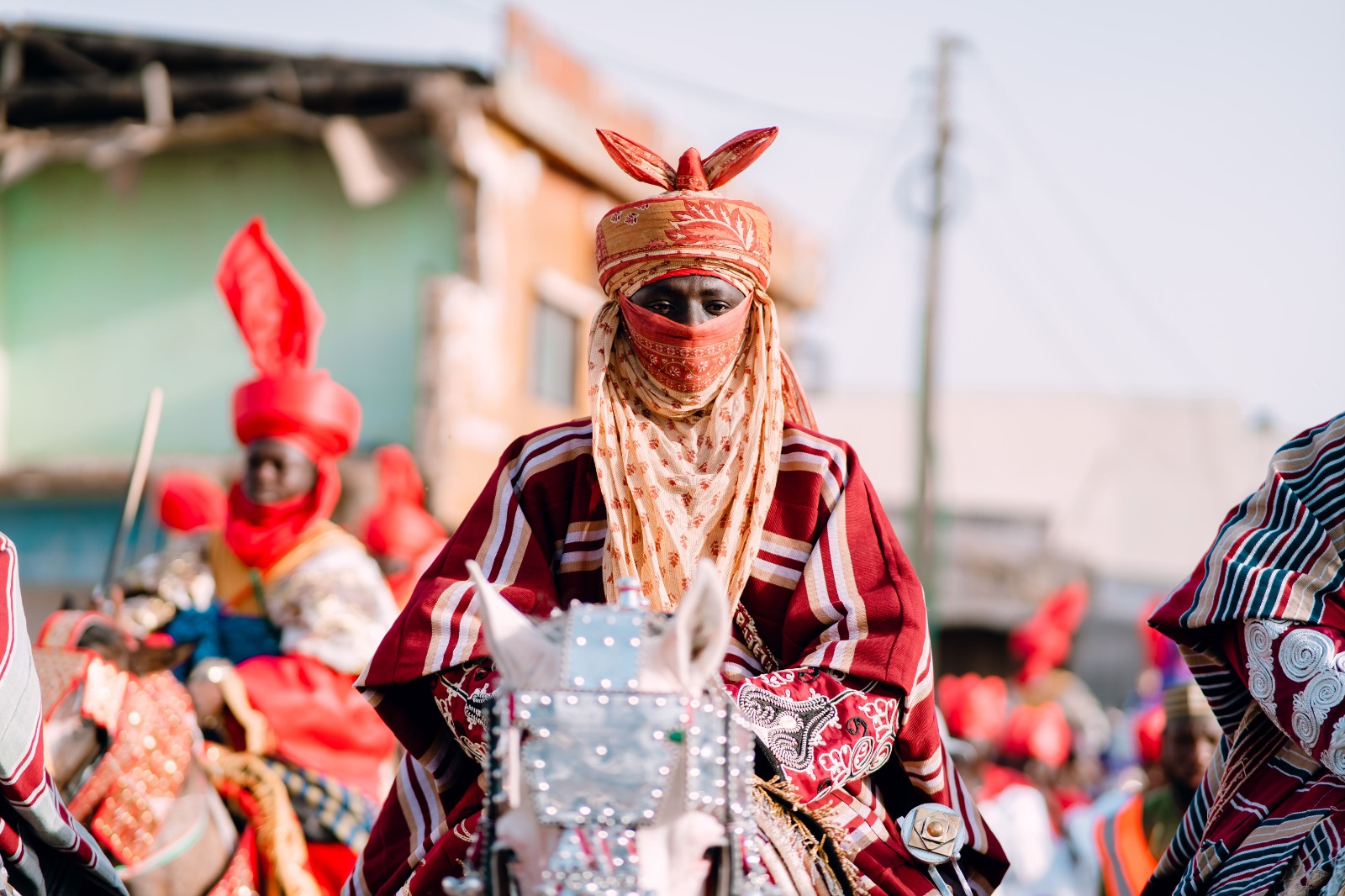
The convergence of cultural tourism, diaspora engagement and the African Continental Free Trade Area (AfCFTA) presents a significant opportunity to reposition Africa's cultural economy as a driver of long-term economic development. From heritage festivals and historical landmarks to creative industries, gastronomy and ancestral tourism, cultural experiences are becoming commercially valuable gateways for trade, investment and entrepreneurship.
This shift extends beyond increasing visitor arrivals.
Diaspora travel is evolving into a mechanism for reconnecting skills, capital, business networks and institutional partnerships with African economies. Heritage tourism increasingly influences real estate investment, hospitality development, venture creation, philanthropy, education and cross-border business formation.
Countries that successfully integrate tourism policy with investment promotion, creative industries and diaspora engagement will be better positioned to transform cultural identity into sustainable economic corridors that generate employment, foreign exchange earnings and long-term private investment.
The opportunity is therefore not simply to attract more visitors.
It is to convert cultural affinity into enduring economic relationships.
Why It Matters
Cultural tourism has become one of the fastest-evolving segments of the global visitor economy.
Travellers increasingly seek authentic experiences that connect history, identity, local communities and cultural heritage rather than traditional sightseeing alone. Simultaneously, African diaspora communities are demonstrating growing interest in reconnecting with their countries of origin through heritage visits, business exploration, genealogy, festivals and investment opportunities.
For Africa, these trends represent more than tourism growth.
They provide an opportunity to diversify economies while strengthening international commercial relationships built upon shared cultural identity.
Unlike conventional tourism, diaspora travel often generates repeated engagement.
Visitors frequently return to establish businesses, purchase property, invest in local enterprises, support educational institutions or participate in philanthropic initiatives.
This creates significantly greater long-term economic value than one-off leisure tourism.
Countries that strategically position cultural heritage within broader economic development strategies can therefore generate sustained economic activity extending well beyond visitor expenditure.
Identity Is Becoming Economic Capital
For decades, Africa's cultural assets were often promoted primarily for their historical significance.
Today, they increasingly function as strategic economic resources.
Historic cities, UNESCO World Heritage Sites, museums, music festivals, traditional arts, fashion, gastronomy and indigenous knowledge systems all contribute to national competitiveness within the global experience economy.
International demand for authentic cultural experiences continues to expand as consumers increasingly prioritise meaningful travel over conventional tourism products.
This creates opportunities for African economies to develop premium tourism offerings that generate higher visitor spending while supporting local creative industries.
Culture is therefore becoming an investable economic sector rather than simply a heritage sector.
Diaspora Engagement Is Moving Beyond Remittances
The African diaspora contributes billions of dollars annually through remittances, making it one of the continent's largest external financial resources.
However, remittances represent only one dimension of diaspora engagement.
Growing numbers of diaspora professionals, entrepreneurs and second-generation Africans are seeking deeper connections with African economies through investment, entrepreneurship, education, philanthropy and cultural exchange.
Travel often represents the first stage of that relationship.
A heritage visit may evolve into property acquisition, business formation, venture investment or long-term institutional collaboration.
Governments that understand this progression can design policies that convert tourism into investment attraction.
Tourism Creates Cross-Sector Economic Multipliers
The economic value of cultural tourism extends far beyond hotels and airlines.
Visitor spending supports restaurants, transport providers, retailers, museums, creative professionals, tour operators, event organisers, artisans and technology platforms.
Successful tourism destinations also stimulate demand for infrastructure, financial services, telecommunications, urban regeneration and hospitality investment.
Each additional visitor therefore contributes to multiple sectors across the economy rather than a single industry.
This multiplier effect explains why countries increasingly integrate tourism policy with national industrial and investment strategies.
Global Competition Is Intensifying
Africa is not alone in recognising the commercial value of heritage tourism.
Countries across Latin America, the Caribbean, Asia and the Middle East continue investing heavily in cultural infrastructure, destination branding and visitor experiences.
African destinations therefore compete within an increasingly sophisticated global tourism marketplace.
Competitive advantage will depend not only upon possessing unique heritage assets but upon presenting them through world-class infrastructure, digital platforms, quality hospitality and compelling destination narratives.
The countries that invest today in cultural infrastructure and diaspora engagement are likely to capture greater market share as global cultural tourism continues expanding.
Who It Affects
Governments and Policymakers
National governments increasingly view cultural tourism as an instrument of economic diversification rather than simply cultural preservation.
Tourism ministries, investment promotion agencies, foreign affairs departments and cultural institutions must therefore collaborate more closely.
Integrated policies linking heritage conservation, visa reform, investment promotion and diaspora engagement will become increasingly important.
Governments that successfully coordinate these sectors are likely to generate stronger tourism revenues while attracting greater private investment.
Diaspora Communities
Diaspora communities represent one of the largest strategic stakeholders within Africa's cultural economy.
Their engagement increasingly extends beyond family visits towards entrepreneurship, investment, philanthropy, professional exchange and institutional partnerships.
As second and third-generation diaspora populations seek stronger connections with their heritage, demand for authentic cultural experiences continues to expand.
This creates opportunities for governments and private businesses to develop tailored programmes supporting diaspora tourism, investment and long-term engagement.
Creative Industries
Musicians, filmmakers, fashion designers, artists, chefs, historians and cultural entrepreneurs all benefit from stronger cultural tourism ecosystems.
Creative industries transform heritage into commercially valuable experiences while strengthening national branding internationally.
Investment in cultural infrastructure therefore supports both tourism growth and creative economy expansion simultaneously.
Investors
Hospitality, real estate, aviation, entertainment, digital platforms, event management and tourism technology all represent growing investment opportunities.
Institutional investors increasingly recognise that tourism ecosystems generate recurring revenues while supporting broader urban and regional development.
Investment opportunities extend beyond hotels into conference facilities, heritage restoration, transport infrastructure, cultural districts and destination technology platforms.
Local Communities
Communities remain central beneficiaries of sustainable cultural tourism.
When managed effectively, tourism creates employment opportunities, supports local businesses, preserves cultural heritage and encourages community-led entrepreneurship.
Inclusive tourism models that involve local residents generate stronger long-term economic outcomes while protecting cultural authenticity.
Where the Opportunity Is
Several sectors present particularly strong opportunities for transforming cultural identity into economic corridors.
Heritage Tourism
Historic sites, UNESCO World Heritage locations, museums, archaeological destinations and memorial centres increasingly attract international visitors seeking meaningful cultural experiences.
Countries that improve interpretation, accessibility and visitor infrastructure can significantly increase tourism revenues while preserving cultural assets.
Festivals and Cultural Events
Music festivals, film festivals, fashion weeks, literature festivals and traditional celebrations increasingly function as economic development platforms.
Major events stimulate hospitality, aviation, retail and media industries while strengthening destination branding internationally.
Diaspora Heritage Routes
Structured heritage routes connecting significant historical locations create opportunities for repeat visitation, educational tourism and long-term diaspora engagement.
These experiences increasingly encourage subsequent investment, philanthropy and business partnerships.
Creative Economy Tourism
Fashion, film, cuisine, visual arts and design increasingly attract international audiences.
Creative tourism encourages higher visitor spending while supporting local entrepreneurs and expanding exports of African creative products.
Cultural Districts and Urban Regeneration
Revitalised historic districts combining heritage preservation with hospitality, retail, creative industries and public spaces can become major economic hubs.
Successful examples globally demonstrate that culture-led regeneration frequently stimulates wider private investment and urban renewal.
Market Signals
Several structural trends indicate that cultural tourism and diaspora travel are becoming increasingly significant drivers of economic growth across Africa. These developments suggest that governments, investors and businesses should begin treating the sector as a strategic economic corridor rather than a discretionary component of the tourism industry.
Heritage Tourism Is Moving into the Mainstream
Over the past decade, African destinations have witnessed growing international interest in heritage-based travel. Historic landmarks, cultural festivals, museums and UNESCO World Heritage Sites are attracting visitors seeking authentic experiences that connect history, identity and place.
This shift reflects broader changes in global tourism demand. Travellers increasingly prioritise immersive cultural experiences over traditional leisure holidays, creating opportunities for African destinations to differentiate themselves through unique historical narratives and indigenous heritage.
Countries that invest in preserving, interpreting and commercialising these assets responsibly are likely to strengthen both tourism revenues and national brand equity.
Diaspora Travel Is Becoming an Investment Gateway
Diaspora visitors are increasingly travelling to Africa with objectives that extend beyond family reunions or cultural exploration.
Many combine heritage visits with business networking, property acquisition, entrepreneurial exploration, academic collaboration and philanthropic initiatives.
This evolution changes the economic profile of diaspora tourism.
Rather than measuring success solely by visitor arrivals, governments should assess how diaspora travel contributes to foreign direct investment, enterprise creation, skills transfer and long-term commercial engagement.
Countries that establish structured diaspora investment programmes alongside tourism initiatives are likely to generate greater economic returns from these visits.
The Creative Economy Is Strengthening Destination Competitiveness
Africa's expanding creative industries; including fashion, music, film, gastronomy, literature and visual arts, are increasingly shaping international perceptions of the continent.
Creative sectors not only attract visitors but also extend tourism value chains through festivals, exhibitions, cultural districts and branded experiences.
The growing global recognition of African fashion designers, musicians, filmmakers and culinary entrepreneurs demonstrates that creative industries are becoming powerful tools of destination marketing.
When integrated into tourism strategies, these sectors create year-round economic activity while expanding export opportunities for African cultural products.
Regional Connectivity Is Improving
The gradual implementation of the African Continental Free Trade Area (AfCFTA), combined with expanding regional aviation partnerships and digital travel services, has the potential to strengthen intra-African tourism.
Historically, travel within Africa has been constrained by visa restrictions, limited air connectivity and fragmented transport systems.
As these barriers are progressively reduced, cultural tourism corridors connecting multiple countries could emerge, encouraging longer visitor stays and greater regional spending.
Cross-border heritage routes, festival circuits and cultural exchange programmes may become increasingly attractive commercial opportunities.
Digital Platforms Are Transforming Cultural Discovery
Digital media has fundamentally changed how travellers discover destinations.
Social media, creator economies, streaming platforms, virtual heritage experiences and online travel communities now influence destination choice as much as traditional tourism marketing.
African cultural experiences that generate global digital visibility can rapidly attract international audiences.
This creates opportunities for tourism boards, creative entrepreneurs and cultural institutions to build stronger international visibility through strategic digital storytelling.
Strategic Risks
While cultural tourism presents substantial opportunities, sustainable growth requires addressing several structural challenges.
Infrastructure Gaps
Many culturally significant destinations remain underserved by transport infrastructure, hospitality facilities and visitor services.
Poor road access, inconsistent utilities, limited accommodation and inadequate visitor information reduce destination competitiveness and visitor satisfaction.
Without sustained infrastructure investment, many heritage assets will struggle to realise their commercial potential.
Heritage Preservation
Commercial success must not come at the expense of cultural authenticity.
Over-commercialisation, poor conservation practices and inadequate community participation can damage the very heritage that attracts visitors.
Long-term competitiveness depends upon balancing economic development with responsible preservation.
Governments should therefore integrate conservation planning into tourism investment strategies.
Fragmented Policy Coordination
Responsibility for tourism, culture, diaspora affairs, investment promotion and infrastructure often sits across multiple government agencies.
Without effective coordination, investment opportunities may be delayed, duplicated or overlooked.
Integrated national strategies are essential for converting cultural tourism into broader economic development.
Limited Access to Finance
Many cultural entrepreneurs, museums, heritage sites and creative businesses struggle to access affordable long-term finance.
Investment often favours traditional tourism infrastructure while neglecting cultural enterprises that provide authentic visitor experiences.
Expanding blended finance, impact investment and creative economy funds could strengthen the sector's long-term sustainability.
Skills and Professional Capacity
High-quality cultural tourism requires skilled professionals across heritage management, hospitality, destination marketing, event management, interpretation and digital communications.
Investment in workforce development will therefore be essential to maintaining international standards while delivering authentic visitor experiences.
Financing Cultural Corridors
Developing cultural tourism into a sustainable economic sector requires innovative financing models that combine public investment with private capital.
Public Investment
Governments should prioritise investment in heritage conservation, destination infrastructure, transport connectivity, museums and cultural institutions.
Such investments create enabling environments that encourage greater private-sector participation.
Private Capital
Hotels, mixed-use developments, conference centres, entertainment venues, creative districts and tourism technology platforms all present attractive opportunities for long-term investors.
Institutional capital increasingly recognises that successful tourism ecosystems generate recurring revenues while supporting broader regional development.
Diaspora Investment
Diaspora communities represent an important source of patient capital.
Investment vehicles tailored to diaspora investors—including heritage bonds, cultural investment funds and community development initiatives—can finance projects that combine commercial returns with cultural preservation.
These instruments also strengthen emotional connections between diaspora communities and their countries of origin.
Development Finance
Multilateral development institutions can accelerate growth by supporting tourism infrastructure, SME financing, skills development, heritage preservation and sustainable destination management.
Blended finance structures can reduce investment risk while encouraging greater private participation.
What Decision-Makers Should Do Next
For Governments
Governments should reposition cultural tourism as a national economic development strategy rather than a standalone tourism initiative.
Priority actions include improving visa policies, strengthening aviation connectivity, investing in heritage infrastructure, supporting creative industries and integrating tourism with diaspora engagement strategies.
For Investors
Investors should evaluate opportunities across the broader tourism ecosystem rather than focusing exclusively on hospitality.
Heritage restoration, cultural districts, entertainment venues, digital tourism platforms, destination infrastructure and creative industries all offer long-term growth potential.
For Businesses
Private-sector leaders should develop experiences that combine culture, commerce and technology.
Integrated tourism offerings; including festivals, heritage tours, culinary experiences, creative exhibitions and business networking events, can generate higher visitor spending while strengthening destination competitiveness.
For Diaspora Organisations
Diaspora associations, business networks and philanthropic institutions should deepen partnerships with governments and private-sector organisations.
Coordinated initiatives linking heritage travel with entrepreneurship, investment and skills exchange can generate lasting economic relationships that extend beyond tourism.
Executive Outlook
Africa's cultural heritage has long been recognised for its historical significance.
Its economic significance is now becoming equally important.
As global travellers increasingly seek authentic experiences and diaspora communities pursue stronger connections with their ancestral roots, cultural tourism is evolving into a strategic economic sector capable of attracting investment, supporting entrepreneurship and strengthening international partnerships.
The next phase of growth will not be determined solely by visitor numbers.
Success will depend on how effectively African countries convert cultural engagement into long-term economic participation.
That means designing tourism ecosystems that encourage repeat visitation, enterprise creation, diaspora investment, creative industry expansion and regional trade.
For executives, investors and policymakers, the strategic opportunity extends beyond tourism.
It lies in building economic corridors where culture becomes the entry point for commerce, investment, innovation and international collaboration.
Countries that successfully integrate heritage preservation with modern infrastructure, digital platforms, private investment and diaspora engagement will be best positioned to capture the long-term value of Africa's growing cultural economy.
Sources & Methodology
This analysis is informed by publicly available research, policy papers and market intelligence from institutions including the World Tourism Organization (UN Tourism), the African Union, the African Development Bank (AfDB), the International Finance Corporation (IFC), the World Bank Group, the African Export-Import Bank (Afreximbank), UNESCO, the African Continental Free Trade Area (AfCFTA) Secretariat and relevant national tourism and investment agencies. Broader industry trends were contextualised using reporting from Reuters, the Financial Times and other authoritative business publications.
The article follows Aldrenor's Premium Intelligence methodology, combining institutional research, economic analysis and long-term structural trends to provide strategic insight for executives, investors, policymakers and development partners. It is intended for informational purposes and should not be interpreted as investment, legal or financial advice.