Two sources familiar with the discussions told Reuters that the alliance is expected to roll over its current production targets when ministers meet on Sunday, 29 November. The development follows difficulties surrounding the group's first comprehensive review of members' production capacity, which was intended to help determine individual output quotas for 2027.
The capacity assessment has exposed disagreements among several producers, particularly Iraq and Kazakhstan, both of which are seeking higher production capacity estimates.
Iraq has expressed dissatisfaction with preliminary findings that placed its production capacity at approximately 4.9 million barrels per day. Kazakhstan has also requested an upward revision of its assessment, arguing that its production capabilities should be recognised more favourably.
These disagreements have complicated efforts to establish a new allocation framework and could delay decisions on individual production quotas until later in 2027.
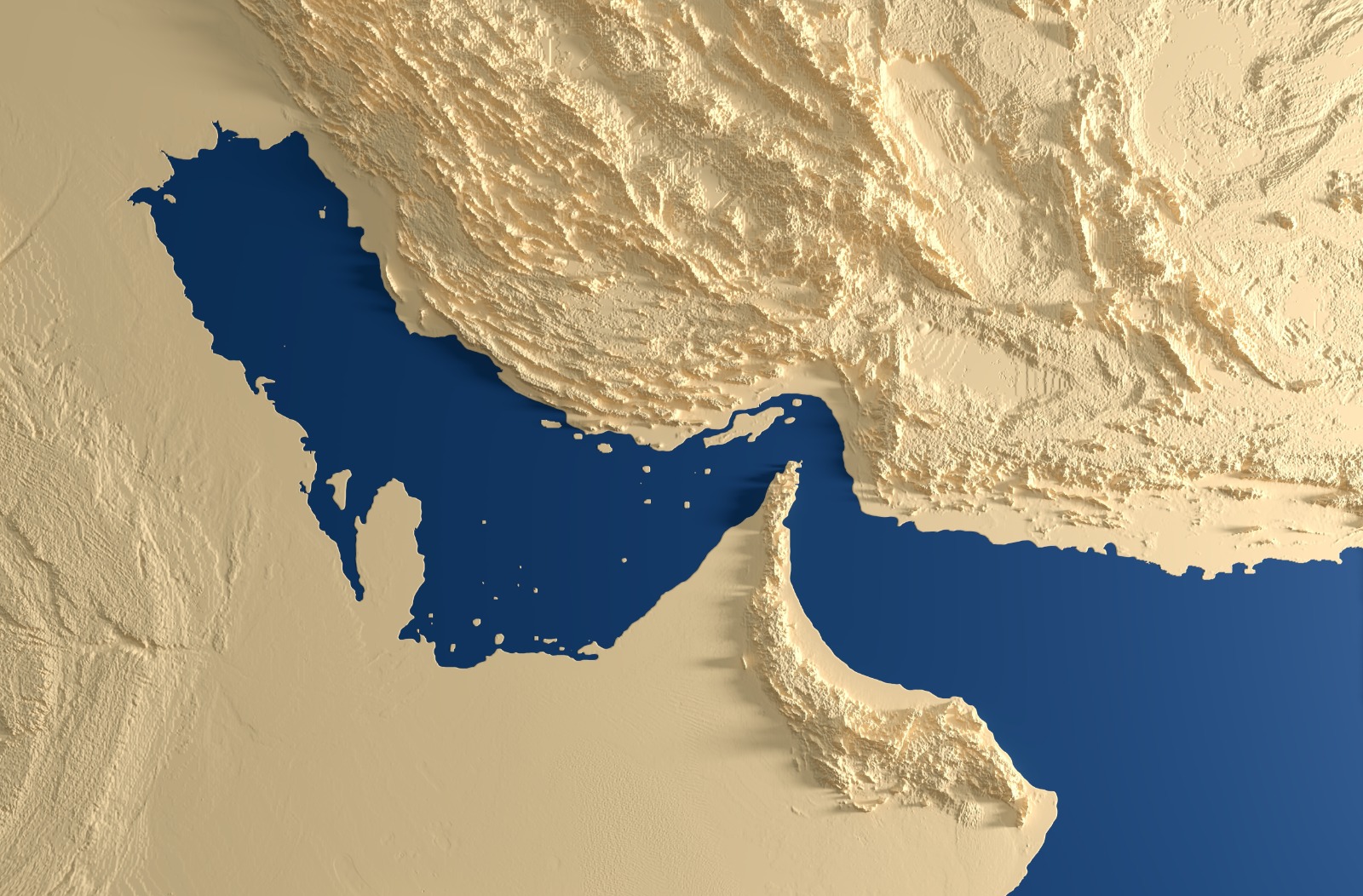
The ongoing Iran war has added another layer of uncertainty to the negotiations. Disruptions to Middle Eastern exports and damage to energy infrastructure have affected supply expectations, making it more difficult for producers to determine appropriate production levels.
The situation is particularly significant for international energy markets because OPEC+ remains an influential force in determining global crude supply. Decisions affecting its members' production targets can influence oil prices, government revenues, inflation expectations and investment across the energy sector.
However, forecasts of a potential global oil surplus are also influencing the alliance's approach. Rystad Energy estimates that worldwide oil supply could exceed demand by an average of approximately five million barrels per day in 2027, even if Gulf production and exports recover only partially.
The alliance is therefore balancing concerns over disrupted supply against the possibility of weaker market conditions and excess production.
The anticipated decision also follows the United Arab Emirates' departure from OPEC and OPEC+ after disagreements over production quotas and its capacity to increase output.
Sunday's meetings will provide a clearer indication of how the alliance intends to manage supply uncertainty and address disagreements among its members.
For energy-importing economies and international investors, the outcome will remain important in assessing oil price movements, inflationary pressures and the direction of global energy markets in 2027.