The warning was issued by the Food and Agriculture Organization (FAO) and the World Food Programme (WFP) in their latest Hunger Hotspots report, which projects that acute food insecurity could deteriorate significantly between December 2026 and May 2027.
The number of identified hotspots has increased from 13 in June to 16, with Southern Africa, northeastern Uganda and the Central American Dry Corridor among the newly included areas.
Five locations have been classified as being of greatest concern: Sudan, South Sudan, Somalia, parts of Nigeria and Yemen. The agencies identified armed conflict and displacement as major drivers of hunger across these regions, alongside economic pressures and disruptions to agricultural production.
Sudan and South Sudan face particularly serious conditions, with the possibility of famine emerging in vulnerable communities. In Sudan, the agencies warned that a worst-case scenario could result in famine across 13 areas of North Darfur and South Kordofan through January 2027.
In South Sudan, previous assessments have also identified famine risks in parts of Upper Nile and Jonglei states.
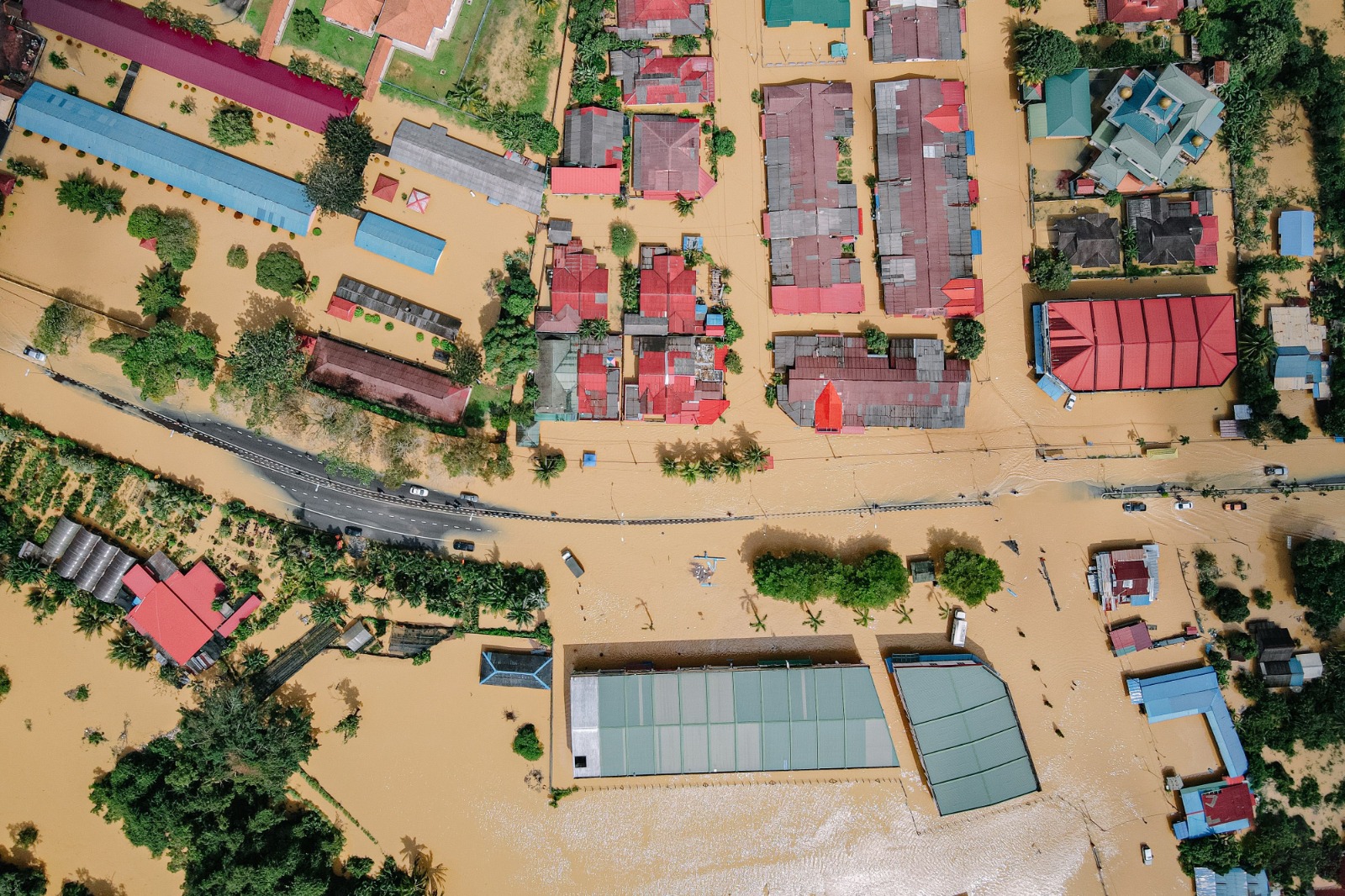
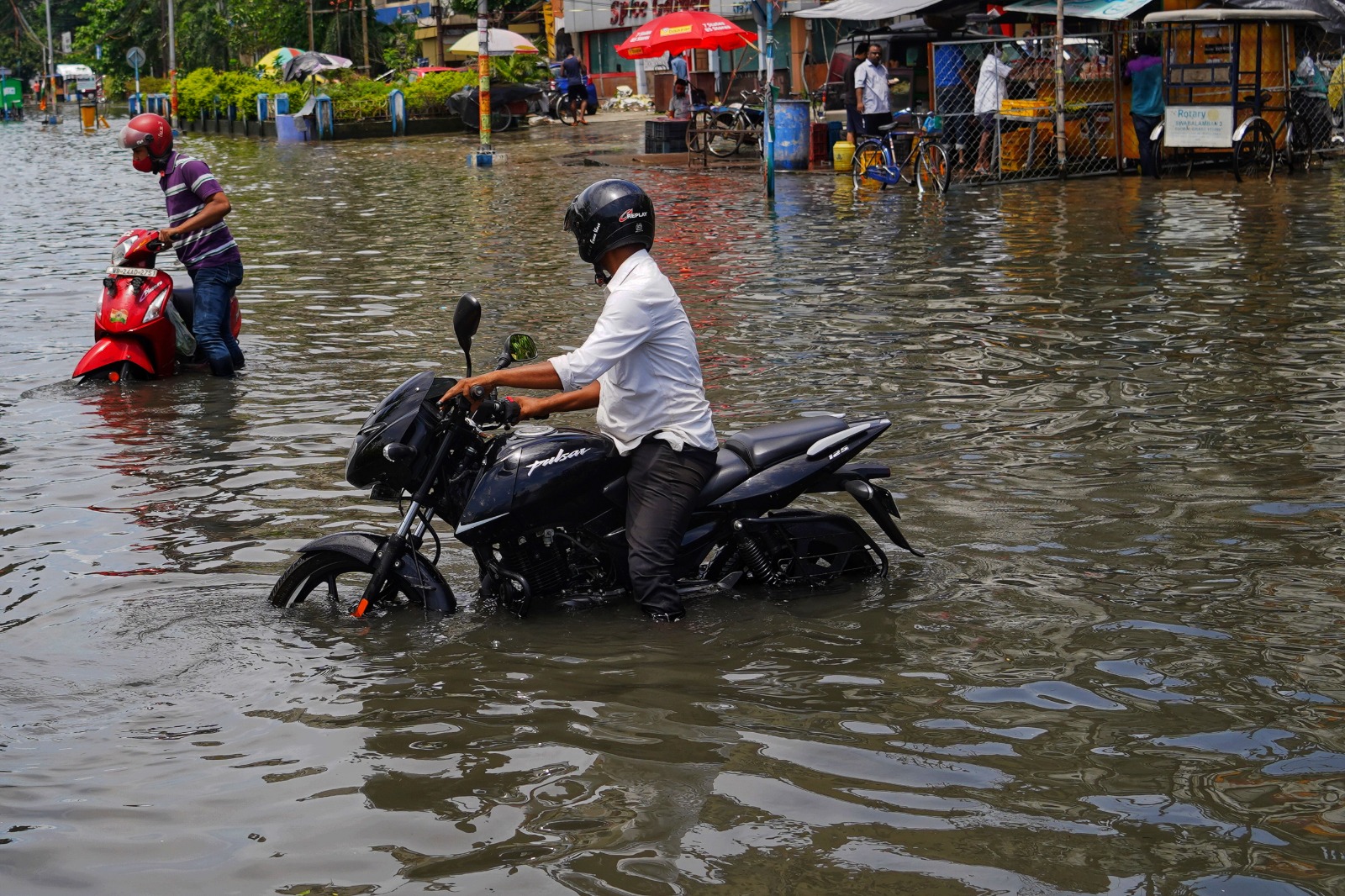
Climate conditions are adding to the pressure. The strengthening El Niño phenomenon is expected to bring hotter and drier weather to parts of Southern Africa, threatening agricultural production, livestock and household incomes.
The report projects that up to three million people in Zimbabwe, 2.6 million in Malawi and 1.8 million in Mozambique could face high levels of acute food insecurity in the months ahead.
The funding situation is equally concerning. Humanitarian assistance for food security and nutrition across the five highest-priority hotspots declined by 62%, falling from $5.1 billion in 2022 to $2 billion in 2025.
The reduction threatens the ability of humanitarian organisations to provide emergency food supplies, nutritional support and agricultural assistance to affected populations.
For African economies, worsening food insecurity carries wider consequences for agricultural productivity, household purchasing power, public finances and regional economic stability. Prolonged hunger can also increase displacement and place additional pressure on already constrained social services.
FAO and WFP have called for urgent humanitarian intervention, improved access to affected communities and stronger financial commitments from international partners.
The agencies are also encouraging early agricultural assistance to protect seeds, livestock and livelihoods before climate-related damage becomes more severe.
The coming months will be critical in determining whether coordinated international intervention can prevent further deterioration and contain the risk of famine across the identified hotspots.