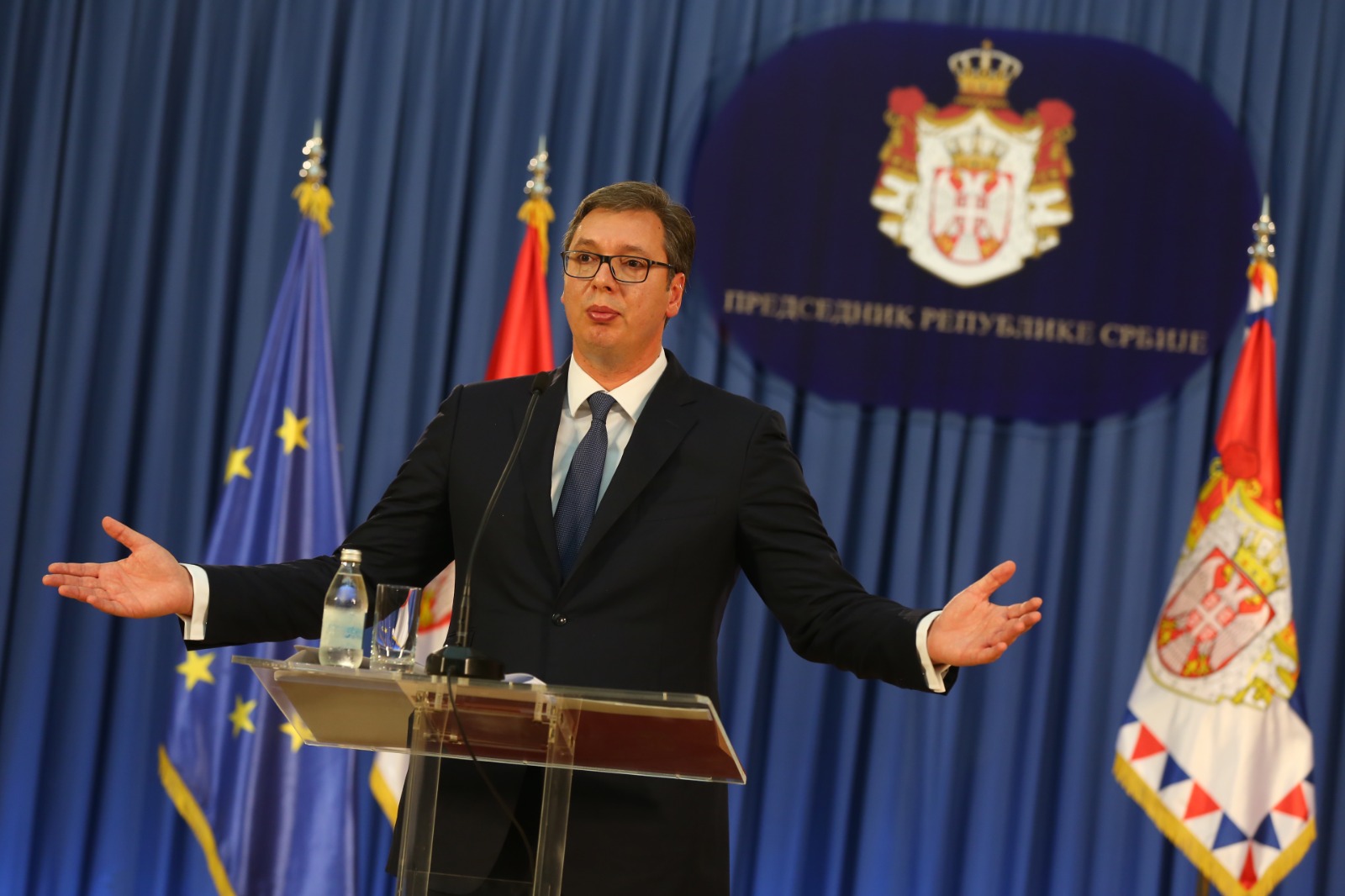
With almost 99% of votes counted, candidates backed by the student movement had secured 52.7% of the vote, compared with 39.2% for the alliance led by Vučić’s Serbian Progressive Party, according to the State Election Commission. The result gave the student-backed group 139 seats in the 250-seat parliament, against 97 for the ruling alliance, with the remaining seats going to minority parties. Vučić conceded defeat late on Sunday.
The result follows nearly two years of peaceful anti-government demonstrations that mobilised students and other sections of Serbian society. The protests were triggered by a 2024 railway station canopy collapse that killed 16 people and intensified public anger over alleged corruption and negligence. Demonstrators subsequently broadened their demands, calling for greater accountability and changes to the political system.
The election outcome marks a significant setback for a political establishment that had maintained a strong position across Serbia’s institutions and public life. The student-backed campaign drew support by focusing on corruption, institutional accountability, and opposition to entrenched political networks. Its victory has prompted celebrations in Belgrade and other parts of the country.
However, an electoral victory does not automatically guarantee an effective transition to government. The movement must now demonstrate that it can translate a broad protest coalition into a coherent governing programme, establish workable parliamentary arrangements and address public expectations over transparency and institutional reform.
The transition could also have implications for Serbia’s international relationships. The country has maintained links with both European institutions and Russia, while its political direction has remained a subject of interest for regional partners. Any changes in foreign policy or economic priorities will depend on the incoming leadership’s decisions rather than the election result alone.
The immediate challenge will be to turn public momentum into stable governance. Investors, regional governments and international partners will watch how the new parliamentary majority approaches institutional reform, economic policy and Serbia’s external relationships.
For the student-backed movement, the election represents a major political breakthrough. Its longer-term credibility will depend on whether it can meet voters’ expectations, sustain unity beyond the campaign and demonstrate that the demand for accountability can produce lasting institutional change.