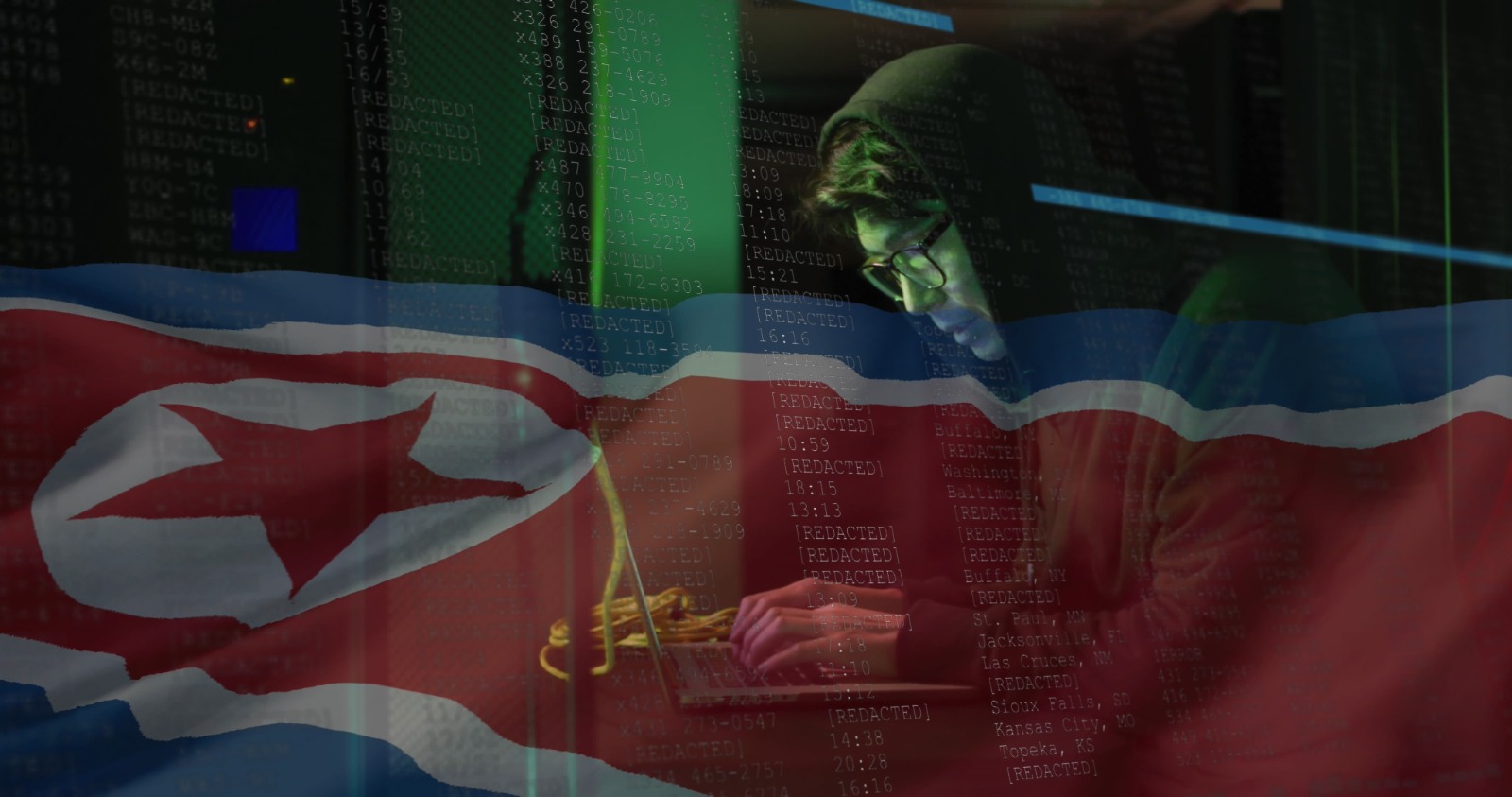
The investigation followed a New York Times report concerning Huang’s relationship with Chinese businesswoman Alice Huang, a former executive of Singapore-based Megaspeed. US intelligence officials reportedly believe she passed information to the Chinese government. Alice Huang is not related to the Nvidia chief executive, and the allegations have not been independently established in public.
Nvidia said its board was examining whether Jensen Huang had been the target of a foreign intelligence effort. The company’s shares fell more than 4% on Monday as the issue drew attention from US lawmakers and investors.
The case has become politically sensitive because advanced processors supplied by Nvidia are central to the development of artificial-intelligence systems. Washington has used export controls to limit China’s access to high-performance chips, arguing that the technology has implications for national security and military capabilities.
Democratic members of the House Foreign Affairs Committee wrote to Commerce Secretary Howard Lutnick seeking information on whether senior officials knew of intelligence concerns involving Alice Huang and Megaspeed. They requested answers by December 1 and called for scrutiny of decisions affecting advanced-chip exports to China.
Senator Chris Coons also urged an investigation into whether national security had been compromised. The White House declined to comment further on the president’s relationship with Jensen Huang. Trump said the FBI was looking into the matter and that Huang had told him he did not know the woman was allegedly a spy. China’s foreign ministry dismissed the accusations as groundless.
The scrutiny places Nvidia at the intersection of corporate governance, technology policy and US-China competition. The company has sought access to the Chinese market while remaining a critical supplier to US technology firms and government-linked projects. Any tightening of export restrictions could affect its addressable market and the wider semiconductor supply chain.
For investors, the immediate issue is whether the board’s review or any subsequent government action leads to changes in oversight, executive engagement or chip-export policy. The allegations remain contested, and no public finding has established wrongdoing by Huang. The episode nevertheless highlights how personal relationships, intelligence assessments and commercial decisions can become intertwined in the strategic technology sector.