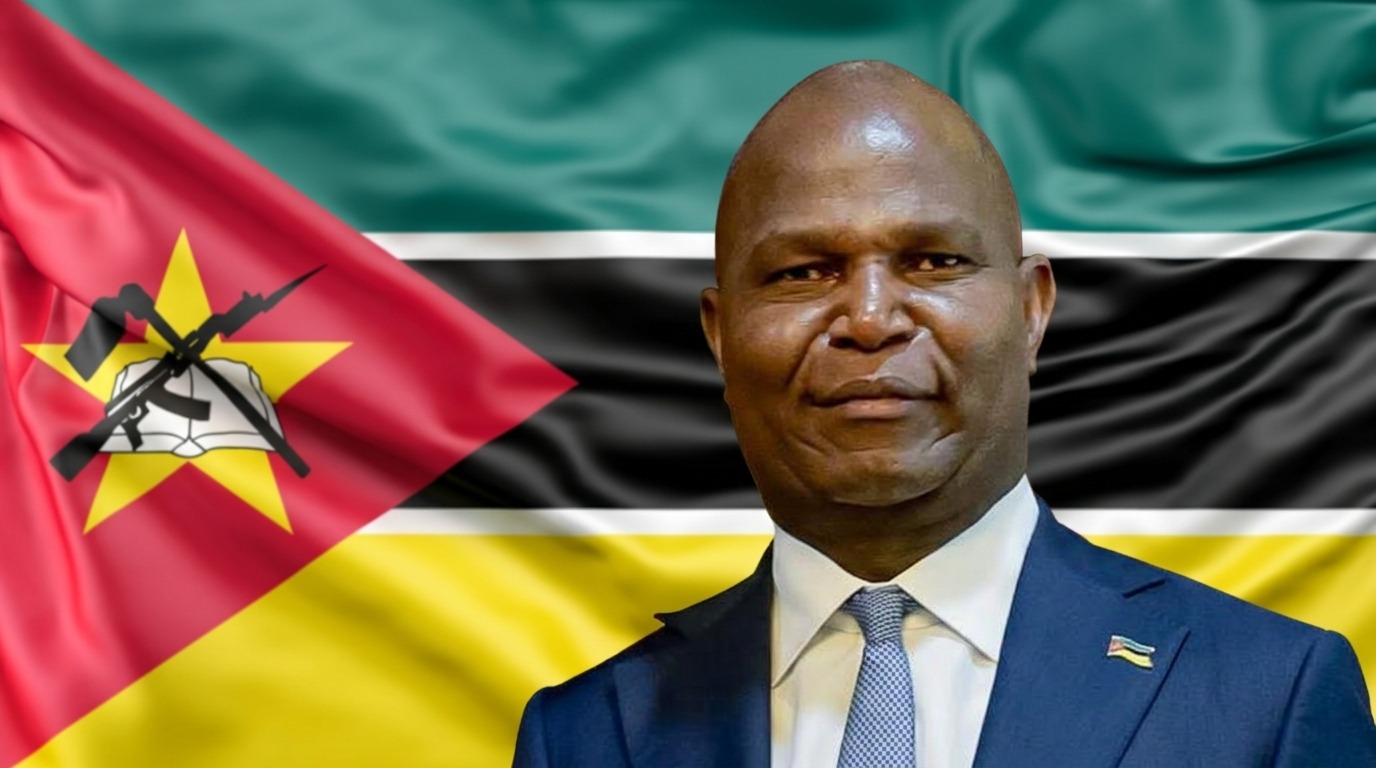
President Daniel Chapo appealed to the 31st United Nations Climate Change Conference (COP31) in Türkiye, calling on bilateral and multilateral development partners to increase financial support for countries facing the growing economic consequences of climate change.
The requested financing, equivalent to approximately $37.2 billion, is intended to support climate adaptation, disaster-risk reduction and infrastructure protection over the next ten years.
Chapo said Mozambique had experienced more than 76 natural disasters between 2000 and 2025, including floods, inundations and tropical cyclones. The events generated cumulative human and economic losses exceeding $4.5 billion, highlighting the scale of the country's exposure to extreme weather.
The country's vulnerability has also been demonstrated by the most recent rainy season, which ran from October 2025 to April 2026. According to Mozambique's National Institute for Disaster Risk Management and Reduction, the period resulted in 311 deaths and affected approximately 1.07 million people.
The government has identified climate adaptation and disaster-risk reduction as strategic national priorities. Its National Adaptation Plan includes measures to improve early-warning systems and integrate climate considerations into local development planning.
Mozambique has established at least 141 local adaptation plans and more than 1,500 disaster-risk management committees as part of efforts to strengthen preparedness and improve coordination at community level.
The financing appeal reflects a broader challenge confronting climate-vulnerable African economies: the growing cost of protecting infrastructure and maintaining economic activity in regions increasingly exposed to extreme weather.
Damage to roads, bridges, energy facilities and agricultural infrastructure can disrupt supply chains, weaken public finances and undermine investment. For Mozambique, where agriculture and infrastructure remain important to economic development, improved resilience is particularly significant.
The proposed funding requirement also raises questions about the availability and accessibility of international climate finance. Governments across developing economies have repeatedly called for greater support from wealthier countries and multilateral institutions to address adaptation costs.
Mozambique's appeal therefore extends beyond immediate disaster preparedness. It represents an effort to secure long-term financing that can reduce economic vulnerability, protect productive assets and strengthen the country's capacity to withstand future climate shocks.
Whether the government can mobilise the full €33.5 billion will depend on international commitments, financing arrangements and the ability to convert pledged support into projects with measurable results.