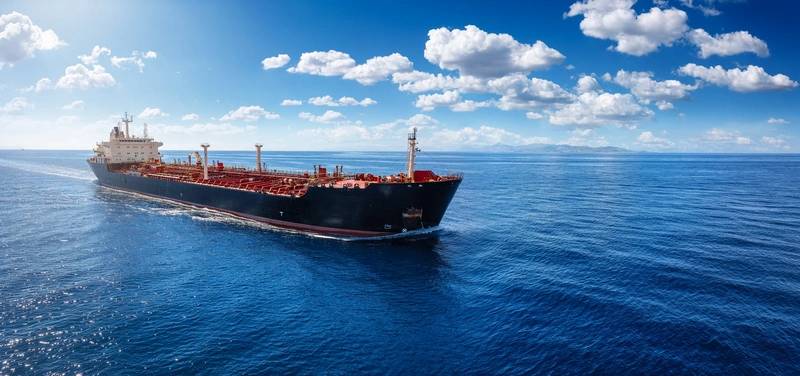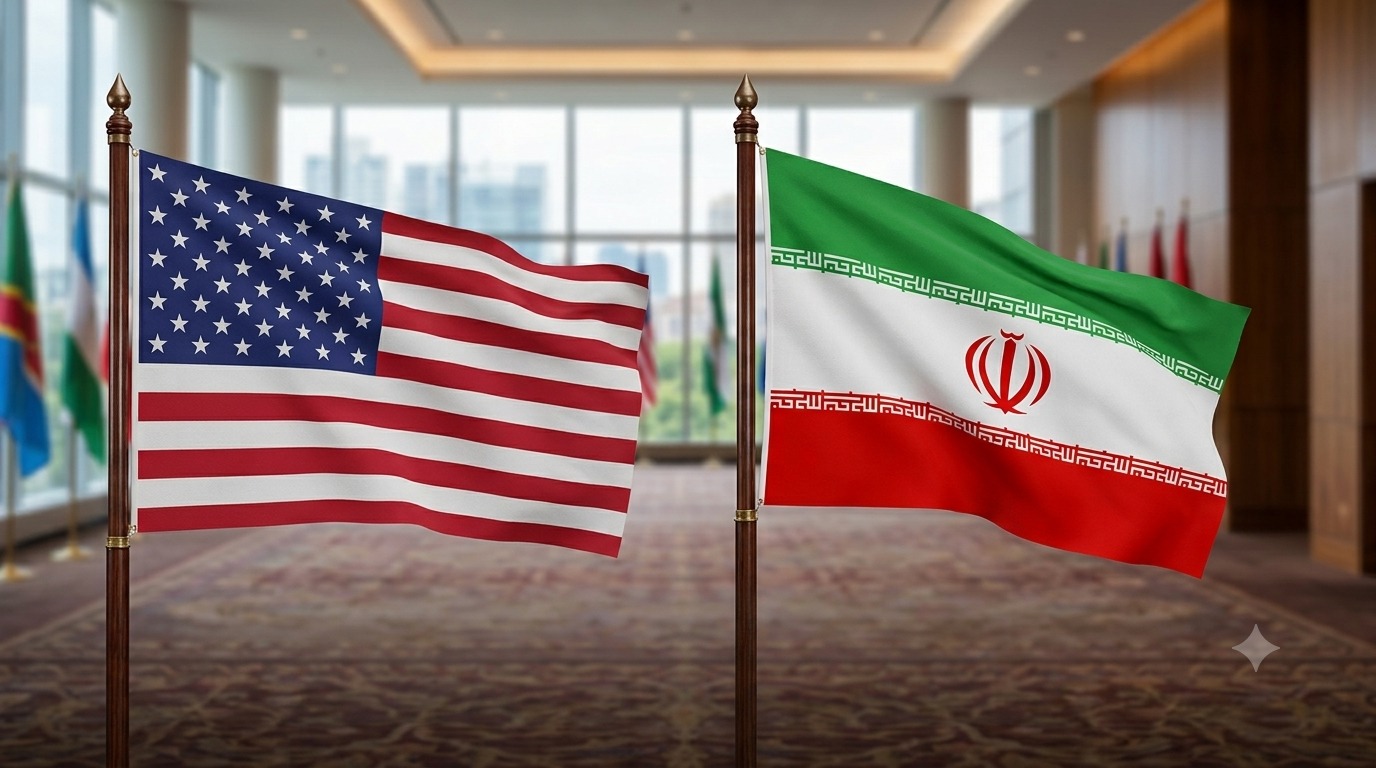
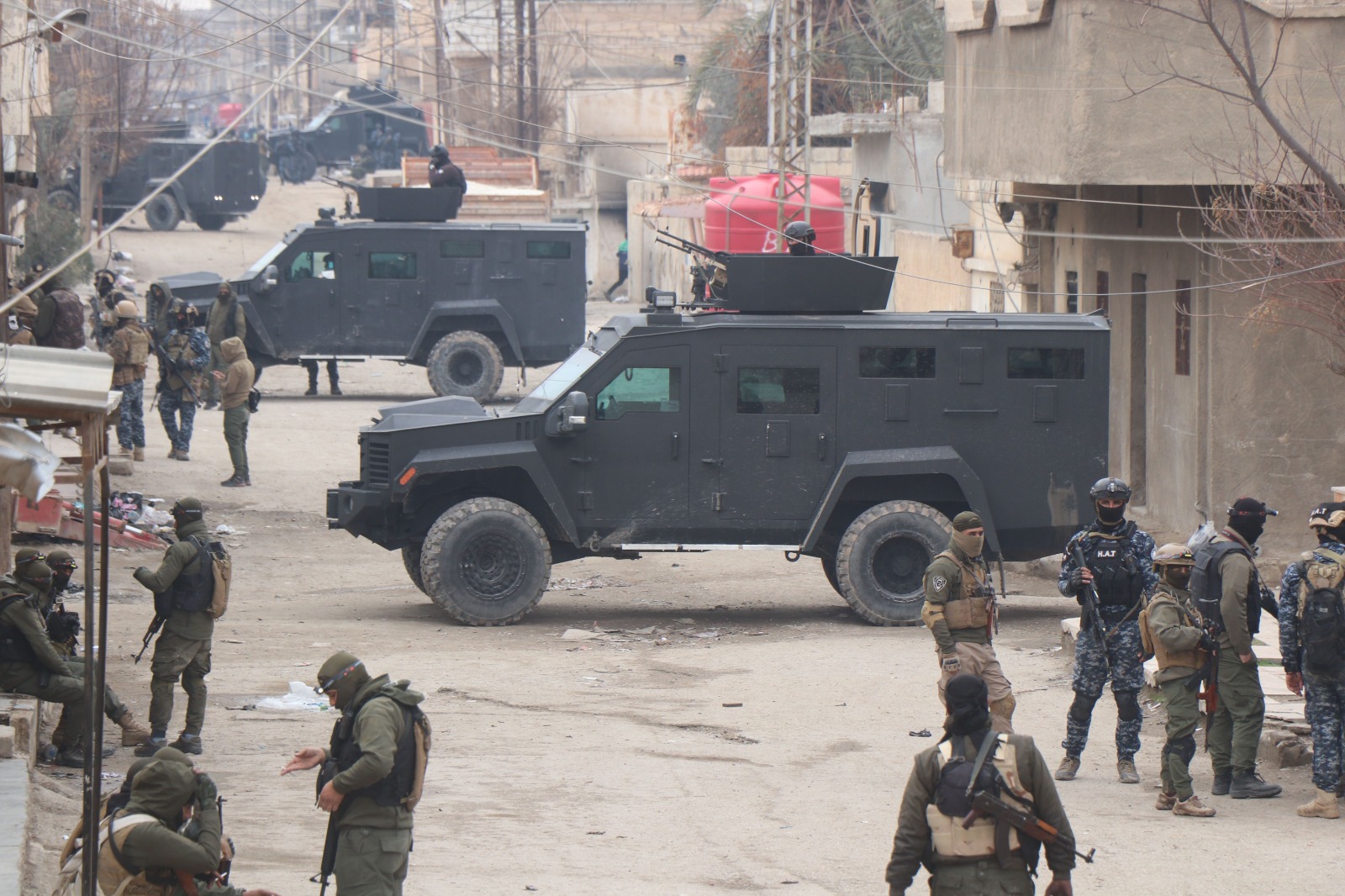
While oil and gas exports from the region have continued without significant disruption, investors remain focused on the potential consequences of any escalation involving critical maritime corridors. The region accounts for a substantial share of global crude exports, making developments there a key determinant of commodity prices, inflation expectations and business confidence. Recent market movements reflect growing caution rather than immediate supply shortages, with institutional investors assigning greater value to geopolitical resilience across portfolios.
The implications extend beyond the energy sector. Businesses dependent on global supply chains—including manufacturers, shipping operators, airlines and commodity traders—are reviewing contingency plans to mitigate the effects of potential transport delays, higher insurance costs and increased freight expenses. Companies with significant exposure to international logistics are also reassessing inventory strategies and supplier diversification to strengthen operational resilience.
Governments are responding through a broader lens of economic security. Several countries have intensified efforts to strengthen strategic reserves, improve domestic infrastructure and diversify trade relationships to reduce reliance on vulnerable supply routes. Policymakers increasingly view geopolitical resilience as an economic priority, recognising that sustained instability can influence inflation, fiscal planning and long-term investment attractiveness.
Financial markets have responded by favouring defensive assets, while sectors linked to defence, cybersecurity, energy infrastructure and critical minerals have attracted renewed investor attention. Analysts note that geopolitical developments are becoming a structural driver of capital allocation rather than a temporary source of market volatility, reflecting a wider shift in how institutional investors evaluate long-term risk.
The business implications are equally significant. Higher geopolitical uncertainty may delay corporate investment decisions, increase financing costs for cross-border projects and encourage companies to prioritise regional manufacturing capacity over globally dispersed production networks. This trend aligns with a broader movement towards supply-chain resilience that has accelerated since the pandemic and continues to influence industrial policy across major economies.
For policymakers, the challenge extends beyond crisis management. Governments must balance national security priorities with the need to preserve open trade, stable financial markets and investor confidence. The outcome will shape infrastructure planning, trade policy and regional economic cooperation over the coming years.
From an Aldrenor perspective, the latest developments underscore that geopolitics is no longer confined to diplomatic affairs. It has become a central determinant of business strategy, capital deployment and economic competitiveness. As governments and corporations navigate an increasingly fragmented international environment, geopolitical resilience is expected to become a defining consideration in boardrooms, investment committees and policy institutions worldwide.