
While diplomatic efforts continue to prevent further escalation, businesses are already assessing the potential consequences for international trade, energy security, investment flows and global supply chains. Analysts say the economic implications could become more significant if uncertainty surrounding key maritime routes persists.
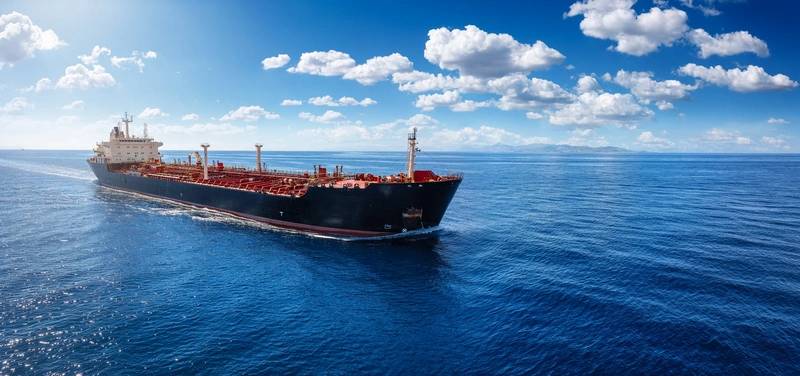
The Strait of Hormuz remains central to those concerns. As one of the world's most strategically important shipping corridors for crude oil and liquefied natural gas, any disruption has the potential to influence global energy prices, manufacturing costs and inflation expectations across advanced and emerging economies alike.
Multinational corporations are reviewing contingency plans developed during previous geopolitical crises, including alternative sourcing strategies, inventory management and supplier diversification. Executives increasingly view geopolitical resilience as an essential component of corporate risk management rather than a specialised strategic consideration.
Financial markets have responded cautiously, with investors reassessing exposure to sectors sensitive to transportation, energy and international trade. Commodity prices have remained elevated as traders incorporate geopolitical risk into pricing models.
Governments are simultaneously balancing diplomatic engagement with domestic economic priorities. Higher fuel prices, increased logistics costs and inflationary pressures pose additional challenges for policymakers already navigating slower global growth and elevated public debt.
Economists argue that geopolitical fragmentation is becoming a structural feature of the international economy rather than a temporary disruption. As a result, businesses may increasingly prioritise regional production networks, strategic stockpiles and supply-chain resilience over traditional efficiency-driven models.
The latest developments also reinforce the growing convergence between foreign policy and economic policy. Decisions once viewed primarily through a security lens now carry immediate implications for investment, inflation, industrial competitiveness and consumer confidence.
For executives and investors, geopolitical developments are no longer peripheral considerations but core economic variables shaping long-term strategic planning and capital allocation.