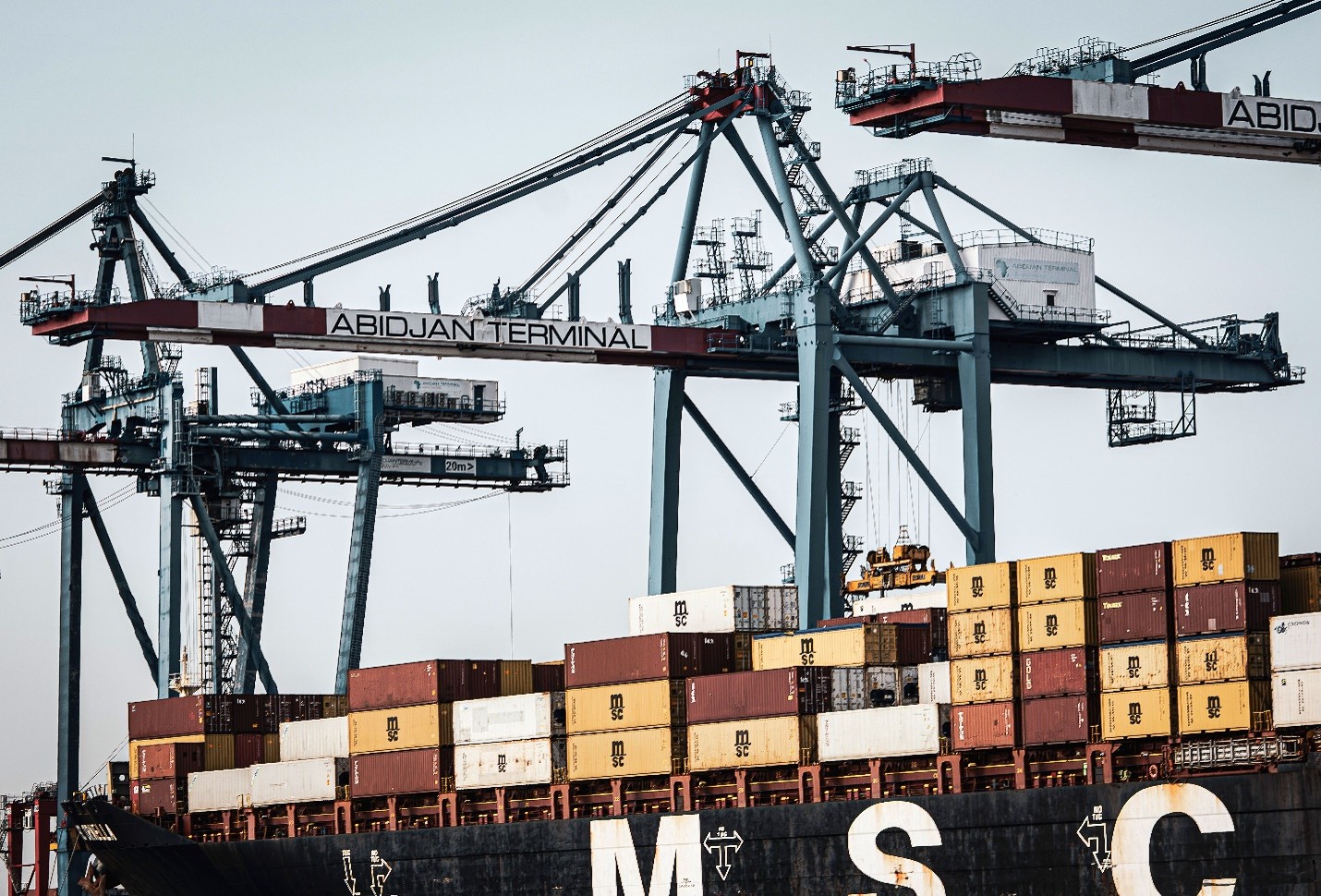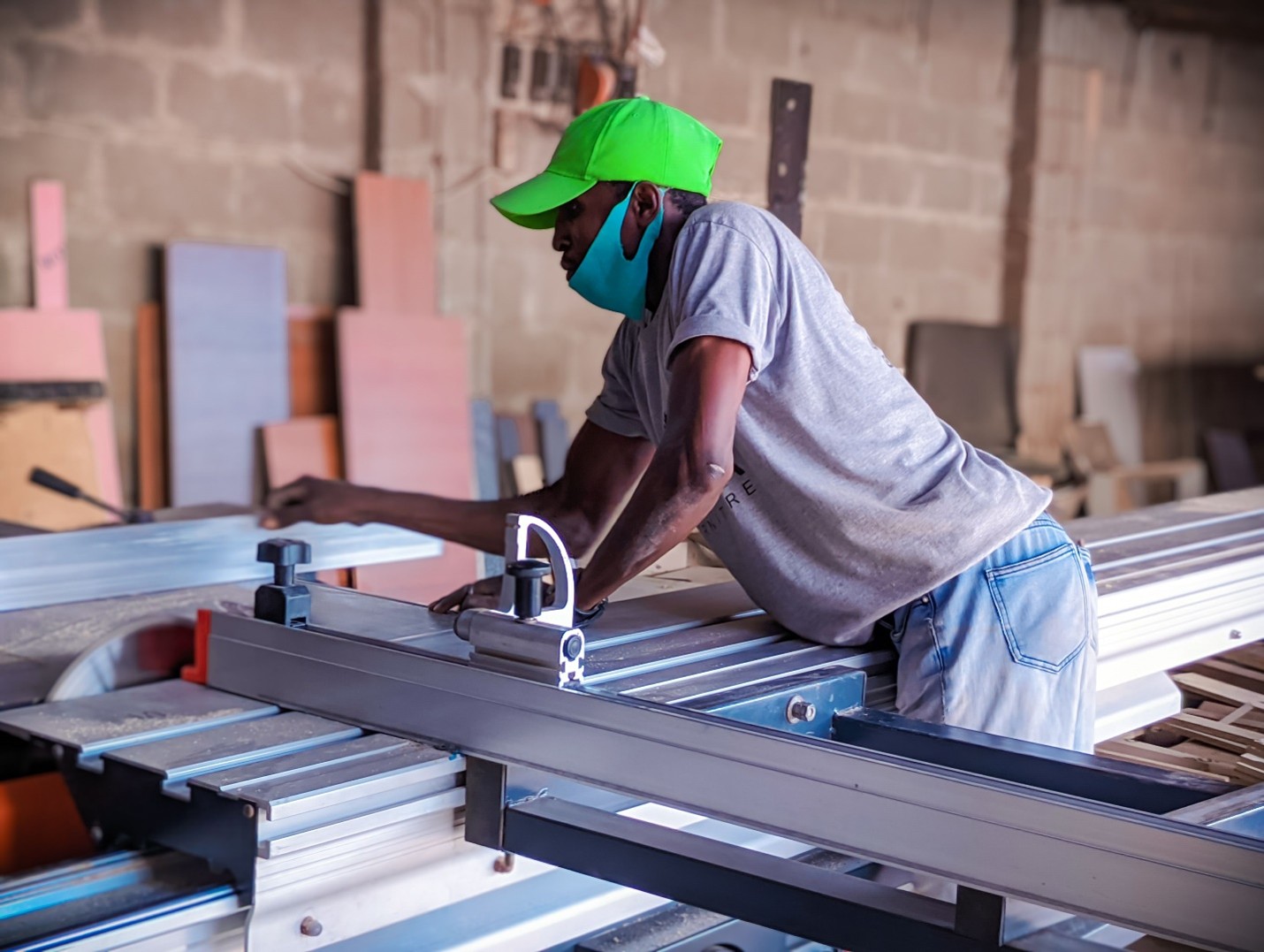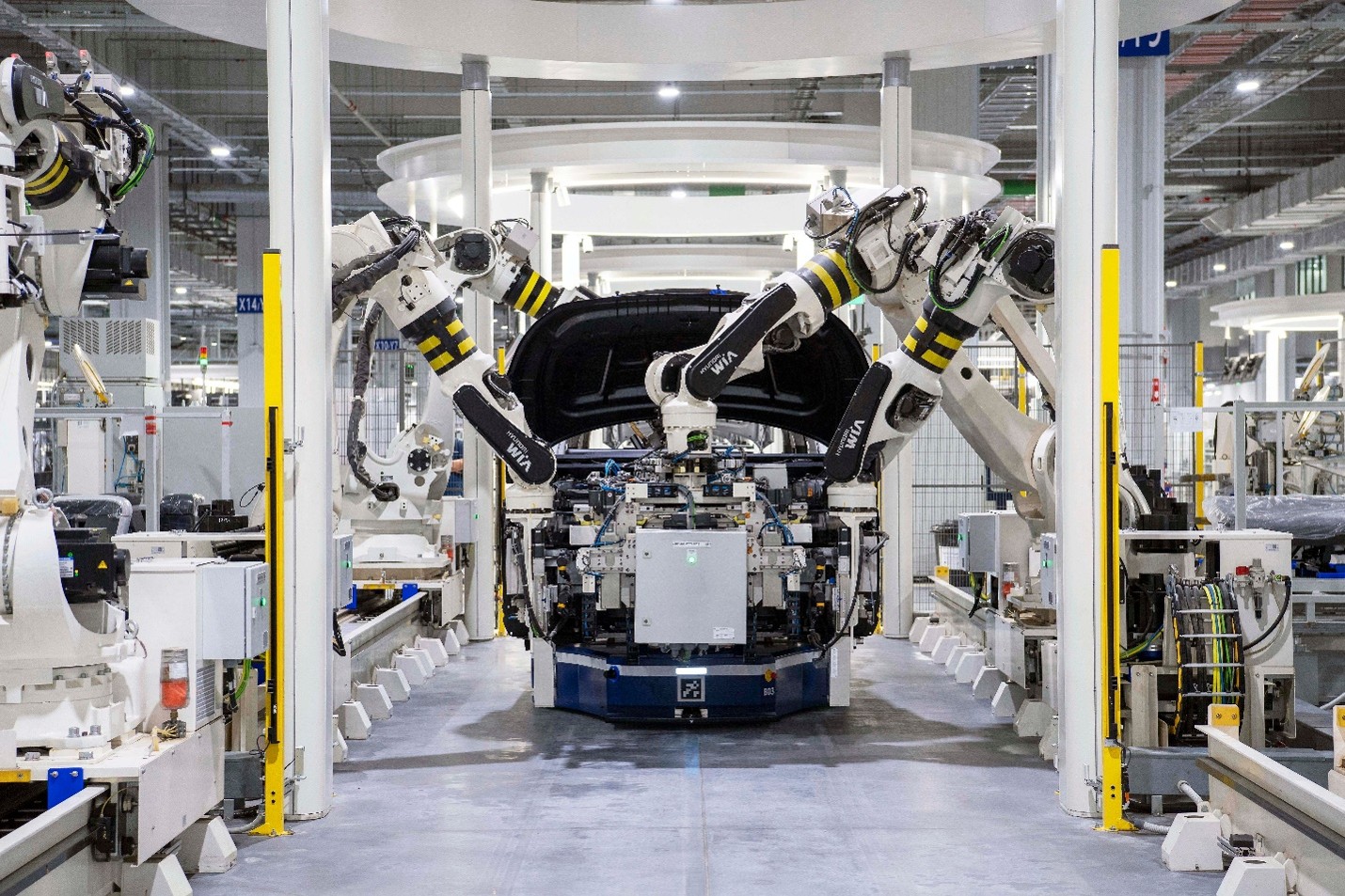

Recent trade data illustrates both the progress and the challenge. According to the African Export-Import Bank (Afreximbank), Africa's merchandise trade rebounded by 13.9% in 2024 to approximately US$1.5 trillion, while intra-African trade increased by 12.4% to US$220.3 billion. Yet Africa still accounted for only 3.3% of global exports, underscoring the need to diversify beyond raw commodity exports and strengthen industrial competitiveness.
For African SMEs, this shift presents a strategic opportunity. The African Continental Free Trade Area (AfCFTA) is creating a larger regional marketplace, while global supply-chain diversification is prompting international buyers to seek new sourcing destinations. However, greater market access alone is insufficient. Export success requires competitive products, compliance with international standards, reliable financing, efficient logistics, and market intelligence.
Rather than viewing exporting as simply selling products abroad, African SMEs should approach it as a long-term capability built around productivity, quality, and regional integration.
________________________________________
Why This Matters
SMEs form the backbone of most African economies. Globally, SMEs account for around 90% of businesses and more than half of total employment, making them essential drivers of innovation, job creation, and inclusive growth. Yet many African SMEs remain concentrated in domestic markets with limited participation in international trade.
The AfCFTA fundamentally changes the scale of opportunity. The World Bank estimates that the agreement could increase incomes across Africa by 7% by 2035 under full implementation, with even larger gains under deeper integration scenarios driven by manufactured exports and regional value chains. Combined with improvements in customs procedures, digital trade systems, and regional payment infrastructure, the agreement has the potential to lower barriers that have historically prevented smaller firms from expanding beyond national borders.
At the same time, global trade patterns are evolving. Geopolitical tensions, supply-chain diversification, and industrial policy shifts are encouraging multinational companies to reduce dependence on concentrated manufacturing hubs. African exporters that can meet international quality, sustainability, and delivery standards may be well positioned to capture part of this demand.
Export-led SME growth therefore represents more than a commercial opportunity. It is an avenue for diversifying national economies, increasing foreign exchange earnings, strengthening industrial capacity, and creating higher-value employment.
Who It Affects
Small and Medium-Sized Enterprises (SMEs)
For African SMEs, exporting is becoming less of a niche opportunity and more of a strategic growth pathway. Businesses that rely solely on domestic demand often face constrained market size, currency volatility, and cyclical economic slowdowns. Expanding into regional and international markets allows firms to diversify revenue streams, achieve greater economies of scale, and build resilience against local market fluctuations.
However, export readiness requires more than competitive pricing. SMEs must invest in product quality, certification, digital capabilities, and supply-chain management to meet the expectations of international buyers. Companies that build these capabilities early are likely to be better positioned as regional trade barriers continue to decline under the AfCFTA.
________________________________________
Policymakers and Trade Promotion Agencies
Governments have a central role in creating an environment where SMEs can compete internationally. While many African countries have introduced export promotion initiatives, persistent bottlenecks, including lengthy customs procedures, inconsistent standards, high transport costs, and fragmented regulations, continue to limit export growth.
Trade policy should therefore move beyond export incentives alone and focus on improving trade facilitation. This includes implementing AfCFTA commitments, simplifying border procedures, harmonising product standards, digitising customs systems, and expanding export support services for SMEs.
According to the World Bank, reducing non-tariff barriers and improving trade facilitation could generate substantial gains for African exporters by lowering the cost of doing business across borders.
________________________________________
Financial Institutions and Development Finance Partners
Access to finance remains one of the most significant constraints facing export-oriented SMEs. The World Bank identifies financing gaps as a major obstacle to SME growth globally, while Afreximbank continues to highlight trade finance as a critical requirement for expanding intra-African commerce.
Exporting typically requires larger working capital than domestic trade. Businesses must finance production before payment, manage longer cash-conversion cycles, insure shipments, and comply with documentary requirements.
Commercial banks, export credit agencies, fintech providers, and development finance institutions therefore have an opportunity to expand products such as:
• Export working-capital loans
• Supply-chain finance
• Invoice discounting
• Letters of credit
• Export credit guarantees
• Foreign exchange risk management solutions
Improving access to these financial instruments will be essential if African SMEs are to participate more fully in regional and global trade.
________________________________________
Logistics, Technology and Trade Service Providers
Export competitiveness increasingly depends on the efficiency of supporting services.
Freight forwarders, customs brokers, warehouse operators, digital trade platforms, payment providers, and logistics technology companies all play an important role in reducing transaction costs and improving supply-chain reliability.
Digitalisation is particularly significant. Electronic customs systems, digital documentation, e-commerce platforms, and cross-border payment solutions can lower administrative costs while making it easier for SMEs to reach customers beyond their domestic markets.
Initiatives such as the Pan-African Payment and Settlement System (PAPSS) are also reducing dependence on third-country currencies for intra-African transactions, helping simplify cross-border payments and lower foreign exchange costs.
________________________________________
Where the Opportunity Lies
Regional Trade Under AfCFTA
The most immediate export opportunity for many SMEs may not be Europe, North America, or Asia, it may be neighbouring African markets.
The AfCFTA creates access to one of the world's largest free trade areas by participating countries, offering manufacturers the potential to expand into markets with similar consumer preferences, shorter delivery times, and lower logistics costs than many overseas destinations.
Businesses that understand AfCFTA rules of origin, product standards, and customs procedures will be better positioned to benefit as implementation progresses.
________________________________________
Value-Added Agriculture and Food Processing
Agriculture remains one of Africa's strongest comparative advantages, yet much of the continent's agricultural output is still exported in raw form.
Greater economic value can be captured through processing, packaging, branding, and certification before products reach export markets.
High-potential product categories include:
• Cocoa and chocolate products
• Coffee and specialty beverages
• Cashew and other processed nuts
• Dried fruits
• Edible oils
• Spices
• Organic and sustainably certified foods
• Consumer packaged food products
Countries that invest in agro-processing infrastructure and quality certification can improve export earnings while supporting rural industrialisation.
________________________________________
Manufacturing and Consumer Goods
Demand for competitively priced manufactured products continues to expand across Africa's rapidly urbanising markets.
SMEs producing household goods, personal care products, textiles, construction materials, furniture, and packaging materials have opportunities to expand regionally by leveraging shorter supply chains and growing consumer demand.
Success will increasingly depend on productivity, consistent quality, and reliable distribution rather than tariff protection alone.
________________________________________
Digital and Creative Exports
Export opportunities extend beyond physical products.
Africa's digital economy is creating new possibilities for software developers, business process outsourcing firms, digital agencies, creative professionals, film producers, musicians, designers, and online education providers.
Unlike traditional exports, digital services face fewer logistics constraints and can often scale internationally with relatively limited capital investment.
As internet connectivity and digital payment systems improve, service exports are expected to become an increasingly important component of Africa's trade portfolio.
The Export Playbook
The gap between exporting occasionally and building a sustainable export business is rarely determined by product quality alone. The most successful exporters combine market intelligence, operational discipline, financing, and compliance into a repeatable commercial strategy.
For African SMEs, export readiness should be viewed as a long-term capability rather than a one-time transaction.
________________________________________
1. Build Market Intelligence Before Entering New Markets
Many SMEs begin with the question, "Where can I sell?" A better question is, "Where is demand growing for products like mine?"
Export decisions should be based on evidence rather than assumptions. Businesses need to understand:
• Market size and growth trends
• Consumer preferences
• Competitor positioning
• Pricing dynamics
• Import regulations
• Distribution channels
• Applicable tariffs under AfCFTA and other trade agreements
Trade promotion agencies, the International Trade Centre (ITC), national export councils, and customs authorities provide market intelligence that can reduce the cost of entering new markets.
Businesses should also monitor changes in trade policy, sustainability requirements, and geopolitical developments that may affect export demand.
________________________________________
2. Compete on Quality, Not Price Alone
Competing solely on low prices is rarely sustainable.
International buyers increasingly evaluate suppliers based on:
• Product consistency
• Quality assurance
• Traceability
• Environmental standards
• Packaging
• Delivery reliability
• Regulatory compliance
Obtaining internationally recognised certifications, where relevant, can improve credibility and open access to premium markets.
For food exporters, compliance with food safety standards is particularly important. Manufacturers serving industrial buyers should also align production with recognised quality management systems where appropriate.
Quality should be viewed as a strategic investment rather than simply a compliance cost.
________________________________________
3. Use Digital Trade to Reach Buyers Faster
Digital commerce is reshaping international trade.
Online marketplaces, B2B procurement platforms, digital trade directories, and virtual trade exhibitions allow SMEs to reach buyers without maintaining physical offices abroad.
Digital tools also improve:
• Customer acquisition
• Export documentation
• Inventory management
• Shipment tracking
• Cross-border payments
• Marketing analytics
Businesses that combine physical production with digital sales channels are generally better positioned to scale internationally.
________________________________________
4. Secure Appropriate Trade Finance
Export growth often stalls because businesses lack working capital rather than customer demand.
Manufacturers frequently need to purchase raw materials, finance production, arrange shipping, and wait several weeks—or months—for payment after delivery.
Appropriate financial instruments include:
• Export working-capital facilities
• Letters of credit
• Supply-chain finance
• Invoice financing
• Export credit insurance
• Foreign exchange hedging
According to Afreximbank, Africa continues to face a substantial trade finance gap that disproportionately affects SMEs, making expanded access to export finance essential for increasing cross-border trade.
________________________________________
5. Build Supply Chains That Can Scale
Winning an export contract is only the beginning.
Long-term success depends on consistently delivering products on time and at agreed quality standards.
Businesses should therefore strengthen:
• Supplier relationships
• Inventory planning
• Warehousing
• Packaging systems
• Logistics partnerships
• Production forecasting
• Risk management
Supply-chain reliability often becomes a competitive advantage equal to product quality.
________________________________________
Key Risks and How to Manage Them
Regulatory Complexity
Export regulations differ across countries and continue to evolve.
Businesses should regularly monitor customs requirements, product standards, and documentary obligations through official trade agencies and customs authorities.
Maintaining compliance reduces delays and strengthens buyer confidence.
________________________________________
Limited Access to Finance
Many SMEs remain under-capitalised.
Diversifying financing sources, including commercial banks, development finance institutions, export credit agencies, and fintech lenders, can improve resilience while reducing dependence on a single funding partner.
________________________________________
Logistics Costs
Transport remains one of the largest costs facing African exporters.
Businesses can improve efficiency by:
• Consolidating shipments
• Using regional logistics hubs
• Negotiating long-term freight agreements
• Investing in digital shipment tracking
• Exploring multimodal transport options where available
________________________________________
Foreign Exchange Volatility
Currency fluctuations can significantly affect export profitability.
Exporters should consider pricing strategies, forward contracts, and currency risk management tools where appropriate, particularly when operating across multiple markets.
________________________________________
Climate and Sustainability Requirements
International buyers increasingly require evidence of sustainable sourcing and responsible production.
Companies that adopt environmentally responsible production methods and transparent supply chains are likely to become more competitive as sustainability standards continue to expand globally.
________________________________________
What Decision-Makers Should Do Next
For Business Leaders
• Develop export strategies based on market intelligence rather than opportunistic sales.
• Invest in quality management, certification, and digital capabilities.
• Diversify export destinations to reduce dependence on a single market.
• Strengthen operational efficiency before scaling internationally.
• Build partnerships with logistics providers, financial institutions, and export agencies.
________________________________________
For Governments
• Accelerate implementation of AfCFTA commitments.
• Reduce customs delays through digital trade facilitation.
• Harmonise product standards across regional markets.
• Expand export promotion services tailored to SMEs.
• Invest in transport, ports, energy infrastructure, and industrial zones.
________________________________________
For Financial Institutions
• Expand access to SME trade finance.
• Develop export-focused lending products.
• Increase support for digital payment infrastructure.
• Partner with development finance institutions to reduce lending risk.
• Encourage innovative financing mechanisms for export-oriented manufacturers.
________________________________________
Conclusion
Africa's export future will not be shaped solely by large multinational corporations or commodity producers. It will increasingly depend on whether SMEs can transition from serving local markets to competing confidently across Africa and internationally.
AfCFTA provides an unprecedented opportunity to expand regional trade, but market access alone will not guarantee success. Businesses must combine competitive products with reliable operations, access to finance, digital capabilities, and compliance with international standards.
For policymakers, the priority is to create an enabling environment where firms can compete efficiently across borders. For investors, the opportunity lies in supporting businesses capable of scaling into regional value chains. For entrepreneurs, sustainable export growth begins with disciplined execution rather than short-term expansion.
Ultimately, the success of "Made in Africa" will be measured not only by what the continent produces, but by how effectively its businesses compete in regional and global markets.
Source & Methodology
This article was prepared using publicly available data from multilateral institutions, official trade organisations, and internationally recognised business reporting.
Priority was given to primary sources, including the World Bank, Afreximbank, the AfCFTA Secretariat, IFC, and the International Trade Centre, for macroeconomic analysis, trade policy, and SME development. Reuters reporting was used to verify recent developments in African trade, industrial investment, and regional integration where official government or corporate disclosures were supplemented by independent reporting.
Material statistics have been attributed to their original institutions, and projections are clearly distinguished from observed outcomes. Rather than presenting an exhaustive survey of African exports, the article focuses on structural trends most relevant to executives, investors, policymakers, and development finance institutions.
The analysis is intended to support strategic decision-making and should not be interpreted as investment, legal, or financial advice. Readers are encouraged to consult the original source publications for the latest country-specific data and policy developments.