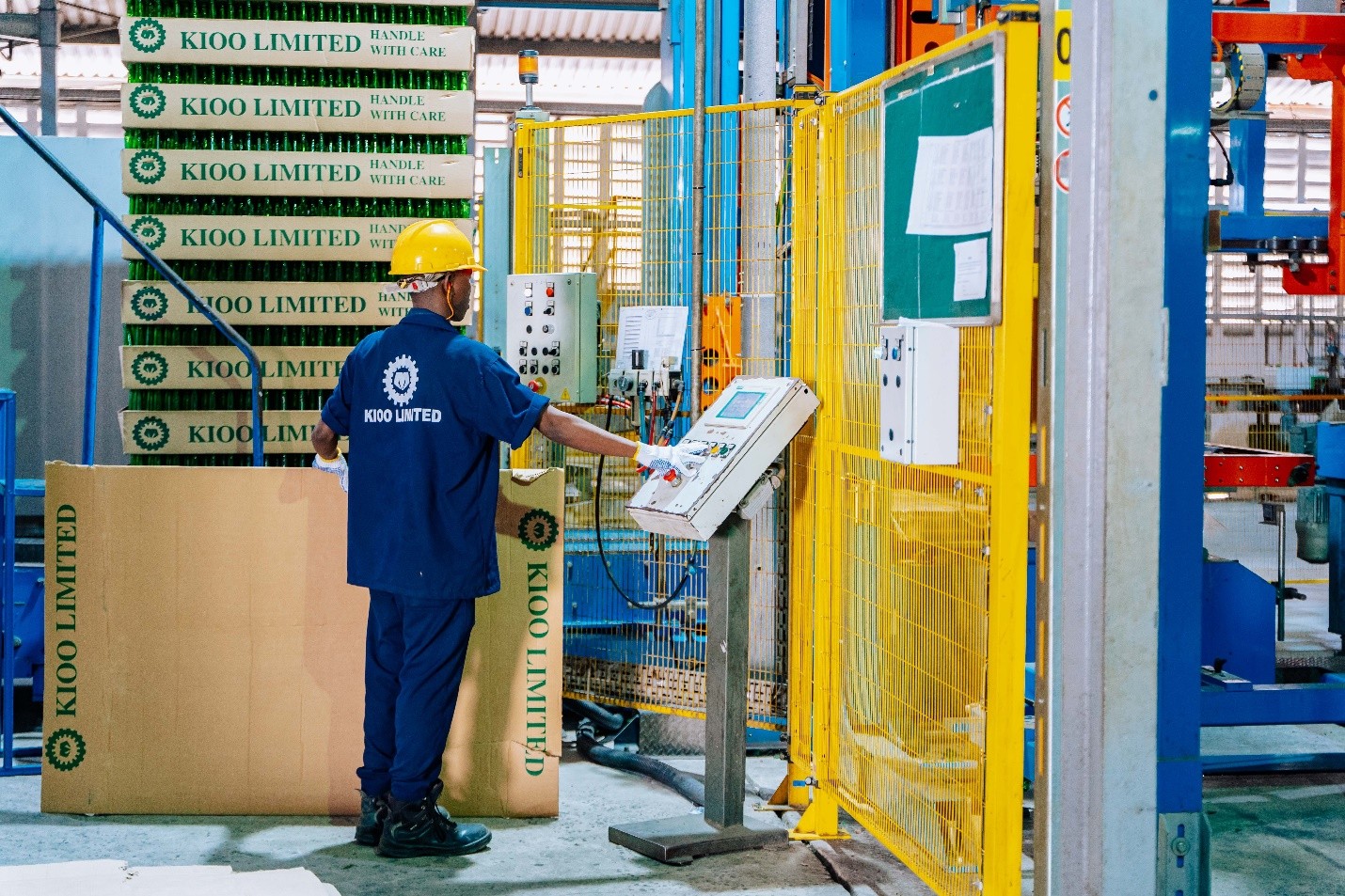

For decades, Africa's business landscape has been characterised by fragmented national markets. Many companies have successfully built strong domestic brands but have struggled to expand regionally because of tariff barriers, inconsistent regulations, complex customs procedures, fragmented payment systems and disconnected logistics networks.
AfCFTA has the potential to change that.
By progressively reducing trade barriers, harmonising regulations and encouraging regional value chains, the agreement creates the foundation for African businesses to think beyond national borders. Instead of building companies designed for markets of 20 million or 50 million people, businesses can increasingly design products, supply chains and growth strategies for a continental market of more than 1.4 billion consumers.
However, market access alone will not create continental champions.
The brands that emerge as regional leaders will be those capable of combining operational excellence with product quality, trusted governance, competitive pricing, digital capability and consistent customer experience across multiple African markets.
AfCFTA should therefore be viewed not simply as a trade agreement but as an industrial growth platform capable of transforming African enterprises into globally competitive businesses.
Why It Matters
Africa has historically traded more with external markets than with itself.
This has limited economies of scale, discouraged regional manufacturing and prevented many African businesses from achieving the production volumes necessary to compete internationally.
AfCFTA seeks to reverse this model by strengthening intra-African trade, encouraging regional production networks and creating larger integrated markets for African businesses. The World Bank has identified trade integration, stronger regional value chains and improved market connectivity as central to Africa's long-term economic transformation.
Scale Creates Competitive Advantage
Few globally recognised brands became international leaders by serving fragmented markets.
Whether in Europe, North America or Asia, successful companies first achieved scale within large integrated markets before expanding internationally.
African businesses have often lacked that advantage.
Fragmented regulations, inconsistent product standards, multiple customs procedures and expensive cross-border logistics have increased operating costs while limiting expansion opportunities.
AfCFTA begins addressing these structural constraints by creating a more integrated commercial environment where companies can expand production, standardise operations and serve multiple markets more efficiently.
Regional Brands Strengthen Industrialisation
Strong regional brands do more than generate profits.
They stimulate manufacturing, encourage supplier development, create skilled employment and attract long-term investment.
When companies expand beyond national markets, they invest more heavily in production capacity, logistics, research and development, packaging, marketing and technology.
This creates industrial ecosystems rather than isolated businesses.
Regional brands therefore become important drivers of economic diversification.
AfCFTA Is Changing Corporate Strategy
Increasingly, African businesses are no longer asking whether they should expand regionally.
They are asking how quickly they can position themselves to benefit from AfCFTA implementation.
Governments, export agencies and financial institutions are accelerating programmes designed to help businesses access continental opportunities through improved trade facilitation, export promotion and regional business partnerships.
The conversation is gradually shifting from policy design towards commercial execution.
The Opportunity Extends Beyond Trade
AfCFTA is often discussed in terms of tariffs.
Its greater significance lies elsewhere.
Integrated markets encourage innovation, strengthen competition, reduce production costs through scale and improve resilience by diversifying commercial relationships across multiple economies.
Companies operating across several African markets are generally less exposed to economic downturns within any single country.
Regional expansion therefore becomes a strategy for both growth and resilience.
Who It Affects
African Businesses
Manufacturers, retailers, agribusinesses, technology companies and consumer brands stand to benefit most directly.
Businesses capable of scaling across multiple African markets will gain larger customer bases, stronger purchasing power and greater operational efficiency.
The opportunity is particularly significant for companies already producing competitive products but constrained by fragmented national markets.
Small and Medium-Sized Enterprises
AfCFTA is not exclusively an opportunity for multinational corporations.
Digitally enabled SMEs increasingly have opportunities to reach customers across borders through e-commerce, regional distributors and integrated payment systems.
As trade barriers decline, smaller businesses can participate more effectively in regional supply chains.
However, success will depend on improving quality standards, certification and operational capability.
Investors
Regional expansion significantly changes investment economics.
Businesses serving multiple markets generally offer stronger long-term growth prospects than those dependent on a single domestic economy.
Private equity firms, venture capital investors and development finance institutions are therefore increasingly evaluating businesses according to their regional scalability rather than national market share alone.
Governments
Governments benefit when domestic companies become regional champions.
Growing businesses create employment, expand tax revenues, increase exports and strengthen national industrial capabilities.
This makes successful AfCFTA implementation not merely a trade objective but a broader economic development strategy.
Where the Opportunity Is
Several sectors appear particularly well positioned to produce Africa's next generation of regional market leaders.
Consumer Goods
Fast-moving consumer goods remain among the strongest opportunities.
Food, beverages, household products, personal care brands and packaged consumer products already enjoy strong demand across many African markets.
Regional expansion enables manufacturers to increase production efficiency while building widely recognised African brands.
Agribusiness
Food security, population growth and rising urbanisation continue to expand demand for processed agricultural products.
Companies investing in value-added food production, modern packaging and regional distribution networks are well positioned to benefit from expanding intra-African trade.
Regional value chains also allow agricultural production, processing and distribution to occur across multiple countries rather than within isolated national markets.
Manufacturing
AfCFTA creates opportunities for manufacturers to develop integrated regional supply chains rather than duplicating production in every market.
Industrial specialisation across countries can improve productivity while strengthening continental competitiveness.
As implementation progresses, manufacturers capable of serving multiple African markets will likely enjoy stronger economies of scale than businesses operating solely within national borders.
Digital Commerce
Digital platforms reduce many of the traditional barriers associated with cross-border expansion.
E-commerce, fintech, digital payments and integrated logistics allow businesses to reach customers throughout Africa with significantly lower market entry costs.
These technologies will increasingly determine which brands scale most rapidly across the continent.
Financial Services
Banks, insurers, payment providers and financial technology companies also stand to benefit.
Greater cross-border trade increases demand for trade finance, payments infrastructure, working capital solutions and regional financial services.
Initiatives such as the Pan-African Payments and Settlement System (PAPSS) illustrate how financial infrastructure can reduce friction in intra-African commerce.
Market Signals
While AfCFTA remains in the early stages of implementation, several market indicators suggest that businesses, investors and governments are increasingly repositioning themselves for a more integrated African economy.
The agreement is no longer viewed solely as a policy initiative. It is gradually influencing corporate strategy, investment decisions and supply chain planning across multiple sectors.
Regional Expansion Is Becoming a Corporate Priority
An increasing number of African companies are adopting regional growth strategies rather than focusing exclusively on domestic markets.
Leading businesses in banking, telecommunications, consumer goods, retail, logistics and financial technology are expanding operations across multiple African countries to capture economies of scale and diversify revenue streams.
This reflects a growing recognition that future market leadership will depend on continental presence rather than national dominance.
Companies that establish regional distribution networks early are likely to enjoy first-mover advantages as intra-African trade continues to expand.
Regional Value Chains Are Emerging
Historically, production within Africa has often been organised around national economies.
AfCFTA encourages a different model.
Raw materials can increasingly be sourced in one country, processed in another, assembled in a third and distributed across multiple regional markets.
This approach improves industrial efficiency while allowing countries to specialise in areas where they possess competitive advantages.
Rather than competing against one another, African economies have an opportunity to become complementary participants within integrated manufacturing ecosystems.
Digital Infrastructure Is Accelerating Integration
Trade integration today depends as much on digital infrastructure as physical infrastructure.
Cross-border payment systems, digital customs platforms, e-commerce marketplaces and logistics technologies are reducing transaction costs while improving market accessibility.
Initiatives such as the Pan-African Payment and Settlement System (PAPSS) are helping businesses settle cross-border transactions in local currencies, reducing reliance on third-party currencies and lowering payment friction.
As digital commerce expands, businesses capable of combining physical distribution with digital customer engagement will be better positioned to scale across African markets.
Investors Are Looking Beyond National Markets
Investment strategies are gradually becoming more regional.
Private equity firms, institutional investors and development finance institutions increasingly evaluate companies according to their ability to expand across multiple African economies rather than their domestic market share alone.
Businesses demonstrating scalable operating models, strong governance and regional growth strategies are becoming more attractive investment opportunities.
AfCFTA therefore strengthens not only trade prospects but also access to growth capital.
Strategic Risks
Despite its considerable potential, AfCFTA should not be viewed as a guaranteed catalyst for continental integration.
Trade agreements create opportunities, but businesses must still overcome structural constraints that influence competitiveness.
Implementation Remains Uneven
AfCFTA provides the framework for integration, but implementation varies significantly across participating countries.
Differences in customs administration, trade procedures, infrastructure readiness and regulatory harmonisation continue to affect the pace of commercial integration.
Businesses expanding regionally must therefore remain flexible while closely monitoring policy developments within their target markets.
Infrastructure Continues to Limit Competitiveness
Efficient regional trade depends on reliable infrastructure.
Transport networks, ports, rail systems, border facilities, warehousing and logistics services remain uneven across many parts of the continent.
High transport costs continue to reduce the competitiveness of African products relative to imports from other regions.
Investment in trade corridors and logistics infrastructure will therefore remain essential to unlocking the full commercial value of AfCFTA.
Standards and Regulatory Fragmentation
Although AfCFTA promotes greater regulatory cooperation, differences in product standards, certification requirements and technical regulations continue to create challenges for businesses operating across multiple markets.
Companies seeking regional expansion should prioritise compliance systems capable of satisfying both national and international regulatory requirements.
Businesses that invest early in internationally recognised quality standards will likely encounter fewer barriers as regional trade expands.
Competition Will Intensify
Market integration creates opportunities for every business—not only domestic companies.
As barriers to trade decline, stronger regional competitors will increasingly enter markets previously protected by geography or regulation.
Businesses can therefore no longer rely solely on domestic market familiarity.
Long-term competitiveness will depend upon innovation, operational efficiency, customer experience and brand strength.
AfCFTA rewards competitive businesses rather than protected ones.
Financing Regional Expansion
Regional growth requires long-term investment.
Expanding manufacturing capacity, establishing distribution networks, building regional brands and entering new markets demand financing structures aligned with long-term business development.
Development Finance
Institutions such as the African Export-Import Bank (Afreximbank), the African Development Bank and the International Finance Corporation continue to expand programmes supporting intra-African trade, industrialisation and export competitiveness.
Trade finance, guarantees and investment facilities reduce commercial risk while encouraging private-sector participation.
Private Capital
Private equity firms and institutional investors increasingly view regional scalability as an indicator of long-term enterprise value.
Businesses capable of demonstrating strong governance, scalable operations and regional market opportunities are more likely to attract growth capital.
Regional expansion therefore strengthens both commercial performance and investment attractiveness.
Strategic Partnerships
Regional success rarely occurs in isolation.
Manufacturers, distributors, logistics providers, technology companies and financial institutions increasingly benefit from collaborative partnerships that improve market access and operational efficiency.
Joint ventures also facilitate technology transfer, regulatory knowledge and customer acquisition across multiple jurisdictions.
Digital Commerce
Digital platforms continue to reduce the cost of regional expansion.
E-commerce marketplaces, integrated logistics platforms, customer relationship systems and digital marketing enable businesses to reach consumers across borders with significantly lower capital requirements than traditional expansion models.
For many SMEs, digital commerce may become the fastest pathway towards continental market participation.
What Decision-Makers Should Do Next
For Business Leaders
Executives should begin planning for Africa as a single strategic growth market rather than a collection of independent national economies.
This requires investment in scalable operating models, regional distribution partnerships, internationally recognised quality standards and digital commerce capabilities.
Companies should also strengthen governance, customer experience and brand consistency to compete effectively across diverse markets.
For Investors
Investment strategies should increasingly prioritise businesses capable of expanding regionally rather than those dependent upon domestic demand alone.
Companies positioned within manufacturing, logistics, payments, consumer goods, agribusiness and industrial technology stand to benefit significantly from deeper continental integration.
Supporting regional champions today may generate stronger long-term returns than focusing exclusively on mature national markets.
For Governments
Governments should accelerate AfCFTA implementation through customs modernisation, regulatory harmonisation, infrastructure investment and improved trade facilitation.
Reducing administrative barriers may prove as important as reducing tariffs.
Successful implementation requires public institutions that enable commerce rather than complicate it.
For Development Partners
Development institutions should continue supporting productive infrastructure, export readiness, SME competitiveness, standards harmonisation and trade finance.
Technical assistance programmes that strengthen industrial capabilities will complement infrastructure investment and improve the long-term effectiveness of AfCFTA.
Executive Outlook
AfCFTA represents one of the most significant economic integration initiatives undertaken anywhere in the world during the twenty-first century.
Its ultimate success, however, will not be measured solely by increased trade volumes or tariff reductions.
It will be measured by whether African businesses become globally competitive enterprises capable of building trusted brands, expanding across multiple markets and creating long-term industrial value.
The next generation of African market leaders will likely emerge not because they dominate individual national markets, but because they successfully integrate production, technology, logistics, finance and customer engagement across the continent.
Regional brands create stronger manufacturing ecosystems, encourage investment, stimulate innovation and improve economic resilience.
For executives, AfCFTA should be viewed less as a trade agreement and more as a strategic growth framework.
For investors, it expands the addressable market for scalable African enterprises.
For policymakers, it provides an opportunity to transform fragmented economies into an integrated commercial ecosystem capable of competing more effectively in global markets.
The businesses that move first, investing in quality, regional partnerships, digital capability and operational excellence, will be best positioned to define Africa's next generation of continental champions.
Sources & Methodology
This analysis draws on publicly available research, policy papers and market data from the African Continental Free Trade Area (AfCFTA) Secretariat, the World Bank Group, African Development Bank (AfDB), African Export-Import Bank (Afreximbank), United Nations Conference on Trade and Development (UNCTAD), International Finance Corporation (IFC), International Monetary Fund (IMF), World Trade Organization (WTO), African Union Commission and official publications relating to the Pan-African Payment and Settlement System (PAPSS). Market developments and corporate activity have been cross-referenced with reporting from Reuters, the Financial Times and official institutional disclosures where appropriate.
The article follows Aldrenor's Premium Intelligence methodology, integrating institutional research, economic analysis, policy developments and long-term structural trends to provide strategic insight for business leaders, investors, policymakers and development partners. It is intended for informational purposes only and should not be interpreted as investment, financial or legal advice.