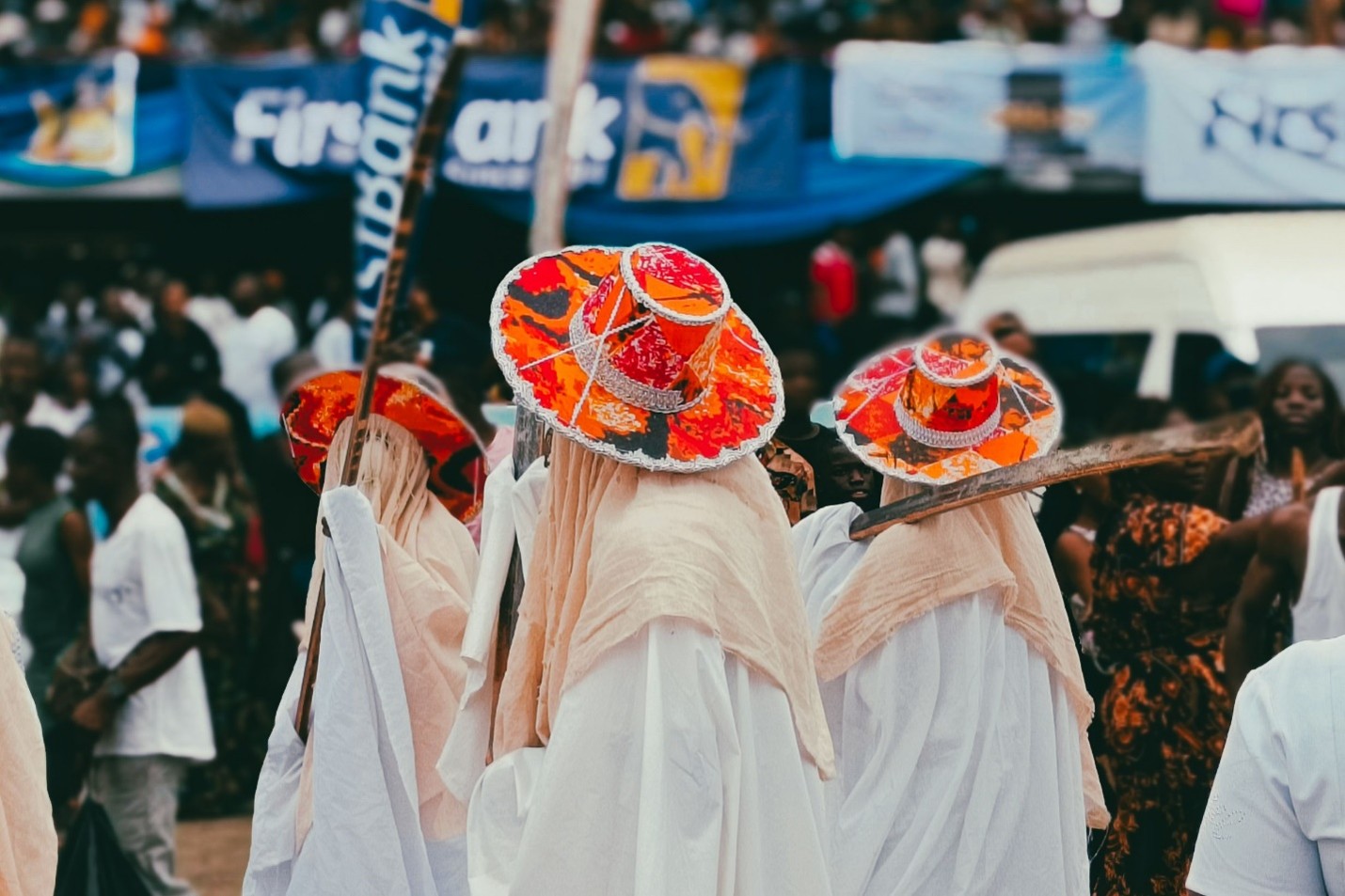

Yet despite this momentum, the continent captures only a fraction of the economic value generated by its creative and cultural assets. African cotton is exported before becoming luxury garments. Shea, baobab and marula oils are processed into premium beauty products abroad. Heritage destinations attract international visitors, but much of the value chain remains controlled by foreign operators. Local designers, artisans and hospitality entrepreneurs continue to face structural barriers to finance, global distribution and brand scale.
The opportunity extends beyond expanding exports.
Luxury industries generate high-value employment, strengthen tourism ecosystems, protect cultural heritage, encourage sustainable production and create globally recognised brands that elevate national and continental reputations. Unlike commodity exports, premium consumer industries rely on intellectual property, design, storytelling and customer experience, assets that appreciate over time rather than depreciate with global price cycles.
For governments, investors and business leaders, the strategic question is no longer whether Africa can participate in the global luxury economy. It is how the continent can retain greater ownership of its brands, value chains and cultural capital while competing in one of the world's fastest-growing consumer markets.
Why It Matters
Luxury is increasingly becoming an economic development strategy rather than simply a consumer category.
Global demand for premium products continues to expand as affluent consumers prioritise authenticity, craftsmanship, sustainability and cultural uniqueness over mass production. This shift creates new opportunities for African businesses capable of transforming indigenous knowledge, natural resources and creative excellence into globally competitive premium brands.
Africa possesses many of the foundations required to compete.
The continent is home to internationally recognised textiles, leather, gemstones, botanicals, hospitality destinations, culinary traditions, contemporary designers and cultural heritage sites. Combined with one of the world's youngest creative workforces, these assets position Africa to build internationally respected luxury industries.
However, much of this value currently leaves the continent before reaching consumers.
Raw materials are exported rather than transformed into finished luxury goods. Creative talent often scales internationally without building manufacturing ecosystems at home. Tourism frequently generates revenue without fully integrating local communities and businesses into premium value chains.
Building a stronger luxury economy therefore represents an opportunity to capture greater value from Africa's own creativity, heritage and natural resources.
From Resource Extraction to Brand Ownership
Historically, Africa has participated in global luxury supply chains primarily as a supplier of raw materials.
Cotton, leather, cocoa, gold, diamonds, essential oils and botanical ingredients have long supported international luxury brands.
The next stage of economic development requires moving beyond supplying inputs towards owning globally recognised brands.
Brand ownership creates significantly greater long-term value through intellectual property, customer loyalty, pricing power and recurring revenue.
Rather than exporting ingredients, Africa can increasingly export finished products that embody craftsmanship, innovation and cultural identity.
Cultural Capital Is Becoming Commercial Capital
Global consumers increasingly value products with authentic narratives.
Luxury purchasing decisions are no longer driven solely by prestige; they are also influenced by provenance, sustainability and cultural meaning.
African fashion, beauty and hospitality naturally align with these trends because they combine heritage with contemporary design.
Whether through handcrafted leather goods, botanical skincare, eco-luxury lodges or destination experiences rooted in local culture, Africa has the potential to differentiate itself through authenticity rather than imitation.
For decision-makers, this represents a structural competitive advantage that cannot easily be replicated by mass-market manufacturers.
Tourism and Luxury Are Becoming Increasingly Interconnected
Luxury hospitality is evolving beyond accommodation.
Travellers increasingly seek immersive experiences that combine wellness, gastronomy, culture, conservation and community engagement.
Africa's biodiversity, landscapes, historical sites and cultural diversity position the continent to compete in this growing segment of experiential tourism.
The commercial opportunity extends well beyond hotels.
Local food producers, designers, artists, craftspeople, transport providers and cultural enterprises all benefit when tourism ecosystems prioritise local sourcing and premium experiences.
Luxury tourism therefore becomes a catalyst for broader economic development.
Who It Affects
Africa's luxury economy extends beyond designers, hotels and premium retailers. It influences manufacturing, agriculture, tourism, finance, technology, heritage conservation and international trade. Building globally competitive luxury industries therefore requires coordinated action across multiple sectors.
Fashion Houses, Designers and Creative Entrepreneurs
African designers are increasingly attracting global recognition through fashion weeks, international collaborations and digital commerce. Yet many remain constrained by limited manufacturing capacity, fragmented supply chains and restricted access to growth capital.
Moving from boutique labels to globally recognised luxury brands requires more than creative excellence. It demands investment in production quality, brand management, intellectual property protection, international distribution and customer experience.
The opportunity is no longer simply to showcase African creativity, it is to build enduring luxury businesses that own their brands and value chains.
Beauty and Wellness Companies
Africa's beauty industry is undergoing rapid transformation.
Growing global demand for clean beauty, plant-based ingredients and sustainable skincare aligns closely with the continent's rich biodiversity. Shea butter, baobab, marula, moringa, argan oil and other indigenous botanicals are increasingly valued by international consumers seeking natural and ethically sourced products.
However, much of this value is still captured outside Africa through overseas processing, formulation and branding.
The next stage of growth requires African companies to retain greater ownership of research, product development, manufacturing and global brand positioning rather than remaining suppliers of raw cosmetic ingredients.
Hospitality and Tourism Operators
Luxury hospitality represents one of Africa's strongest opportunities to generate high-value economic activity.
International travellers increasingly seek authentic experiences that combine comfort with culture, conservation, gastronomy and wellness. Africa's diverse landscapes, wildlife, heritage sites and cultural traditions position the continent to compete strongly in this premium travel segment.
The greatest opportunities lie not simply in attracting more visitors but in increasing visitor value through locally integrated tourism ecosystems.
Hotels, eco-lodges and resorts that source food, furniture, textiles, artwork and experiences locally create wider economic benefits across surrounding communities while strengthening the authenticity that premium travellers increasingly value.
Artisans and Heritage Industries
Traditional craftsmanship remains one of Africa's most distinctive competitive advantages.
Across the continent, artisans continue to produce textiles, jewellery, ceramics, leather goods, furniture, sculpture and decorative arts that reflect generations of accumulated knowledge and cultural identity.
Luxury markets increasingly reward craftsmanship, scarcity and provenance.
Protecting traditional skills while integrating artisans into modern premium supply chains creates opportunities for both cultural preservation and commercial growth.
Rather than treating heritage industries as cultural attractions alone, governments and investors should increasingly recognise them as export industries capable of generating sustainable economic value.
Investors and Financial Institutions
Luxury industries are becoming increasingly attractive to investors seeking exposure to consumer growth, tourism, creative industries and intellectual property.
Unlike commodity sectors, premium consumer businesses often generate higher margins, stronger customer loyalty and recurring brand value.
Investment opportunities extend beyond fashion houses or hotels to include premium manufacturing, hospitality technology, wellness brands, creative real estate, logistics, retail platforms and cultural tourism infrastructure.
As Africa's affluent consumer base expands and international demand grows, premium industries offer increasingly diversified investment opportunities.
Where the Opportunity Is
Africa's luxury economy is not a single industry.
It is a collection of interconnected sectors that combine creativity, manufacturing, tourism and cultural assets into premium products and experiences capable of competing globally.
Several sectors are particularly well positioned for long-term growth.
Fashion and Luxury Apparel
Fashion represents one of Africa's most internationally visible creative industries.
Designers across Lagos, Johannesburg, Nairobi, Accra, Dakar and Casablanca are redefining African luxury through contemporary interpretations of indigenous craftsmanship, textiles and tailoring.
Global consumers increasingly value brands that demonstrate authenticity, ethical production and distinctive design rather than mass-market uniformity.
This shift creates opportunities for African fashion houses capable of combining cultural heritage with international quality standards.
Long-term success, however, depends on building integrated supply chains that include textile production, garment manufacturing, finishing, branding and global distribution.
The strategic objective should be moving from exporting fabrics and garments to exporting internationally recognised luxury fashion brands.
Beauty and Personal Care
Africa's biodiversity provides significant advantages in premium beauty and wellness products.
Botanical ingredients native to the continent have become increasingly sought after by global skincare, cosmetics and wellness companies.
Rather than exporting raw ingredients, African businesses have opportunities to develop premium formulations, scientific research capability, sustainable sourcing systems and internationally recognised beauty brands.
Demand for clean beauty, ethical sourcing and environmentally responsible production further strengthens the competitiveness of African brands that prioritise transparency and sustainability.
Premium Hospitality
Luxury hospitality continues to evolve from accommodation towards curated experiences.
Safari lodges, boutique hotels, wellness retreats, culinary tourism, cultural destinations and conservation tourism all represent growing segments of the global travel market.
Africa possesses exceptional natural and cultural assets capable of supporting these industries.
The greatest commercial opportunity lies in increasing visitor expenditure rather than visitor numbers alone.
Premium travellers typically spend significantly more on accommodation, dining, wellness, cultural experiences and locally produced luxury goods, creating stronger economic spillovers across local communities.
Heritage, Culture and Creative Products
Africa's cultural heritage represents an increasingly valuable commercial asset.
Luxury furniture, handcrafted leather goods, fine jewellery, ceramics, woven textiles, contemporary art and premium home décor increasingly appeal to international consumers seeking products with authenticity and craftsmanship.
The rise of digital commerce also enables artisans and creative businesses to reach international buyers without relying exclusively on traditional export channels.
Building recognised certification systems for authenticity, sustainability and cultural provenance could further strengthen Africa's competitiveness in premium global markets.
Gastronomy and Premium Food Products
Luxury increasingly extends into food and beverage.
Africa produces coffee, cocoa, tea, spices, honey, wines, specialty grains and indigenous ingredients capable of competing within premium international markets.
Consumer demand for traceability, sustainability and origin stories creates opportunities for African producers to move beyond commodity exports into premium branded food products.
By integrating agriculture, food processing and branding, African companies can capture substantially more value while strengthening rural economies.
Market Signals
Several structural trends indicate that Africa's luxury economy is entering a period of sustained expansion.
Executives and investors should monitor:
Rising international demand for ethically sourced luxury products.
Growth in premium tourism across conservation, wellness and cultural travel.
Increasing global recognition of African designers and creative entrepreneurs.
Expansion of clean beauty and botanical wellness markets.
Greater consumer preference for products with authentic cultural narratives.
Increased investment in hospitality, luxury real estate and destination development.
Growth of digital commerce connecting African premium brands with international consumers.
Stronger collaboration between creative industries and tourism ecosystems.
Collectively, these trends suggest that Africa's competitive advantage increasingly lies not only in natural resources, but also in intellectual property, cultural capital and premium brand creation.
Strategic Risks
Africa's luxury economy possesses significant long-term potential, but translating creative excellence into globally competitive premium industries requires overcoming structural constraints that extend far beyond design or hospitality. The countries and businesses that succeed will be those that treat luxury as an integrated economic ecosystem—combining manufacturing, intellectual property, tourism, finance and cultural preservation—rather than as isolated creative enterprises.
Scaling Without Losing Authenticity
One of the defining challenges facing African luxury brands is balancing growth with authenticity.
Many brands gain international recognition because they embody craftsmanship, heritage and limited production. However, scaling to meet global demand can dilute these qualities if expansion prioritises volume over craftsmanship.
The most successful luxury houses globally have demonstrated that growth should strengthen brand exclusivity rather than undermine it. African companies must therefore invest in skilled artisans, quality assurance and controlled production processes that preserve the cultural identity underpinning their premium positioning.
Luxury is ultimately built on trust, consistency and storytelling—not simply increased production.
Manufacturing and Supply Chain Constraints
Africa's creative talent is internationally recognised, yet much of the manufacturing required to support premium industries remains underdeveloped.
Fashion brands frequently rely on imported fabrics or overseas production. Beauty companies often export raw botanical ingredients before importing finished formulations. Hospitality operators continue to source premium furnishings, fixtures and luxury amenities from outside the continent.
These fragmented value chains reduce local value creation and increase production costs.
Developing regional manufacturing ecosystems for textiles, cosmetics, furniture, packaging and luxury consumer goods would significantly improve competitiveness while retaining greater economic value within Africa.
Intellectual Property Protection
Luxury industries derive much of their value from intellectual property.
Designs, trademarks, geographical indications, traditional knowledge and brand reputation all require effective legal protection.
Weak intellectual property enforcement increases the risk of counterfeiting, unauthorised copying and commercial exploitation without adequate benefit to creators and local communities.
Governments should therefore strengthen legal frameworks that protect creative industries while supporting businesses in registering trademarks, patents and internationally recognised geographical indications.
Protecting creativity is essential to monetising creativity.
Access to Patient Capital
Premium consumer brands often require years of investment before achieving international scale.
Building global recognition involves product development, branding, international marketing, retail partnerships and customer acquisition—activities that rarely generate immediate financial returns.
Yet many African creative businesses continue to depend on short-term financing unsuitable for long-term brand building.
Dedicated investment vehicles focused on luxury, creative industries and cultural enterprises remain relatively limited across the continent.
Expanding access to patient capital will therefore be essential for scaling African luxury businesses.
Global Brand Recognition
Although African creativity continues to receive growing international attention, relatively few African luxury brands enjoy widespread global recognition comparable to established European or Asian competitors.
This reflects historical investment patterns rather than limitations in quality or creativity.
Closing this visibility gap requires sustained investment in international marketing, flagship retail experiences, digital commerce, fashion weeks, hospitality partnerships and participation in global luxury events.
Global recognition is earned through consistent brand-building over decades, not isolated moments of international exposure.
Financing the Luxury Economy
Building globally competitive luxury industries requires financing models that recognise the long-term nature of brand development.
Unlike commodity industries, luxury businesses derive much of their value from intangible assets; including design, storytelling, reputation, customer loyalty and intellectual property.
Investors therefore need to evaluate creative businesses using broader measures than short-term production output alone.
Growth Capital for Premium Brands
Private equity firms, venture capital investors and family offices are increasingly recognising luxury consumer brands as attractive long-term investments.
African fashion, beauty and hospitality companies capable of demonstrating strong governance, scalable operations and international demand are well positioned to attract growth capital.
The greatest opportunities are likely to emerge where creative excellence is supported by robust commercial execution.
Development Finance and Cultural Industries
Development finance institutions also have an important role to play.
Creative industries contribute to employment, tourism, SME development, women's entrepreneurship and youth employment—all strategic development priorities across the continent.
Financing facilities that combine commercial investment with technical assistance, export readiness and business development support can accelerate the growth of Africa's premium creative sectors.
Strategic Partnerships
International partnerships provide access to technology, manufacturing expertise, distribution networks and new consumer markets.
However, partnerships should be structured to strengthen African ownership rather than merely positioning local businesses as suppliers to international brands.
Collaborations that facilitate knowledge transfer, joint product development and market expansion create more sustainable long-term value than simple outsourcing arrangements.
Digital Commerce
Digital platforms continue to reshape how premium products reach consumers.
Luxury brands increasingly engage customers directly through e-commerce, social media, digital storytelling and personalised online experiences.
For African brands, digital commerce reduces traditional barriers to international market entry while enabling direct relationships with consumers across Europe, North America, Asia and the African diaspora.
Digital visibility has become as important as physical retail presence.
What Decision-Makers Should Do Next
For Business Leaders
Luxury businesses should invest as heavily in brand strategy as in product development.
International competitiveness depends on design excellence, consistent quality, compelling storytelling, customer experience and strong intellectual property protection.
Executives should prioritise building globally recognised African brands rather than competing solely as suppliers to international companies.
For Investors
Investors should view Africa's luxury economy as a long-term intellectual property opportunity.
The strongest returns are likely to emerge from businesses capable of combining premium products with scalable brand ecosystems across fashion, beauty, hospitality and cultural experiences.
Capital should support not only production capacity but also branding, technology, export readiness and international market development.
For Governments
Governments should recognise creative and luxury industries as strategic sectors within national industrial policy.
Priority actions include strengthening intellectual property frameworks, supporting export promotion, improving manufacturing capability, investing in tourism infrastructure and facilitating access to long-term finance for creative enterprises.
Luxury industries should be integrated into broader economic diversification strategies rather than treated solely as cultural initiatives.
For Development Partners
Development institutions can accelerate the sector by supporting entrepreneurship programmes, export readiness, vocational training, creative business incubation and international market access.
Partnerships that connect African luxury brands with global retailers, hospitality groups and international investors will strengthen long-term competitiveness.
Executive Outlook
Africa's luxury economy represents one of the continent's most underappreciated economic opportunities.
The future of premium value creation will increasingly depend on intellectual property, authenticity, sustainability and cultural identity—areas where Africa possesses distinctive competitive strengths.
Rather than competing by replicating established luxury models, African businesses have the opportunity to define a new global luxury narrative rooted in craftsmanship, heritage, innovation and responsible production.
Success, however, requires moving beyond exporting raw materials and cultural inspiration.
It requires owning globally recognised brands, developing integrated manufacturing ecosystems, protecting intellectual property and capturing greater value across fashion, beauty, hospitality and heritage industries.
The businesses that invest early in these capabilities will be well positioned to benefit from changing consumer preferences and the continued expansion of premium global markets.
For executives, investors and policymakers, the strategic imperative is clear: Africa's cultural assets should no longer be viewed simply as symbols of identity. They should be recognised as high-value economic assets capable of generating sustainable exports, quality employment, investment opportunities and internationally competitive brands.
Luxury is no longer peripheral to Africa's development story.
It is becoming an increasingly important pillar of industrial diversification, creative entrepreneurship and global economic influence.
Sources & Methodology
This analysis draws on publicly available research, market intelligence and policy publications from institutions including the United Nations Educational, Scientific and Cultural Organization (UNESCO), United Nations Conference on Trade and Development (UNCTAD), International Trade Centre (ITC), African Development Bank (AfDB), International Finance Corporation (IFC), World Bank Group, World Travel & Tourism Council (WTTC), African Union, and the African Continental Free Trade Area (AfCFTA) Secretariat. Industry developments and corporate activity were cross-referenced with reporting from Reuters, the Financial Times and official company publications where appropriate.
The article follows Aldrenor's Premium Intelligence methodology, combining institutional research, market analysis, industry trends and strategic interpretation to provide decision-useful insights for executives, investors, policymakers and business leaders. It is intended for informational purposes and should not be interpreted as investment, financial or legal advice.