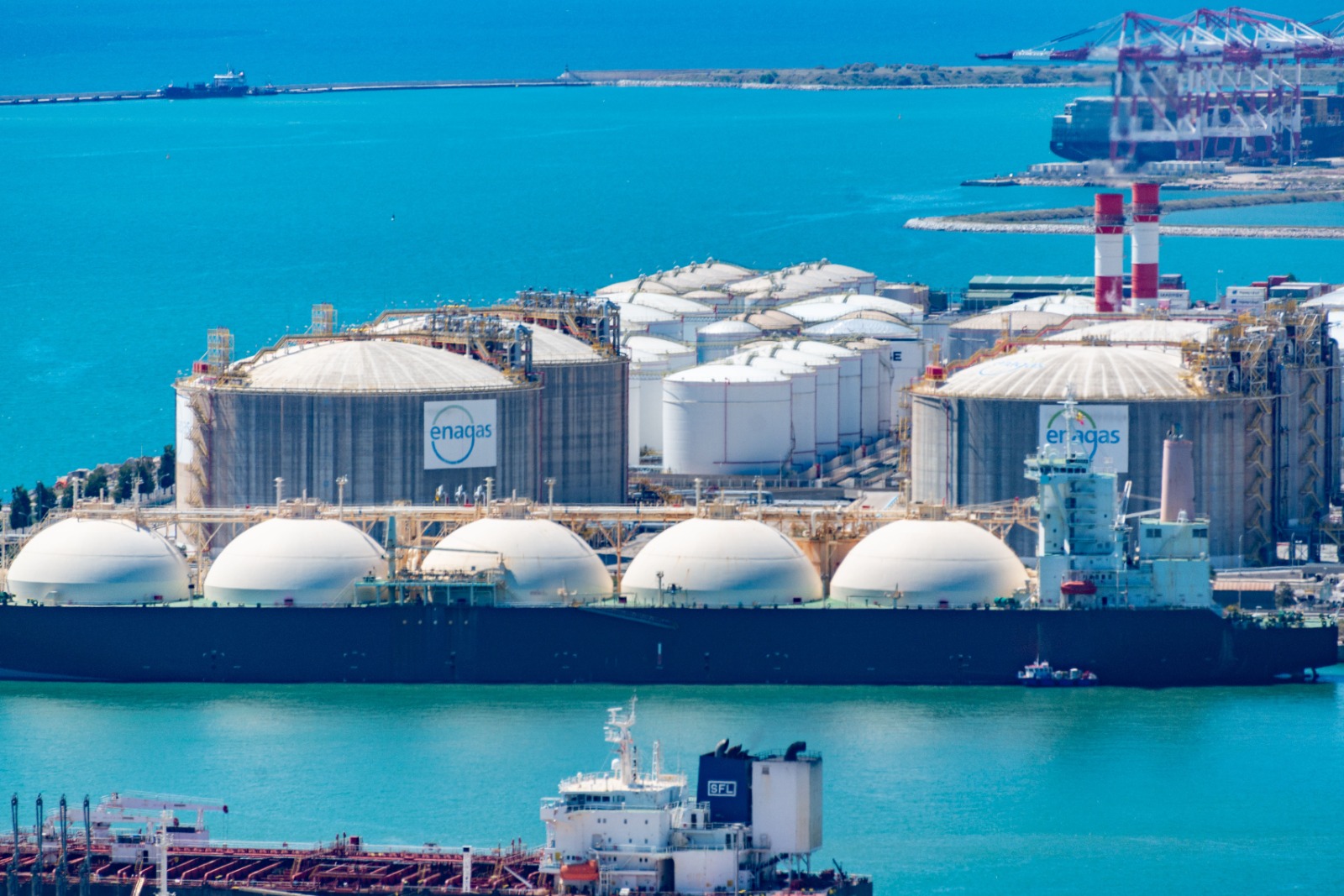
Asian buyers are seeking alternative LNG supplies from regions including West Africa, Indonesia, Australia and North America after the conflict involving Iran disrupted Gulf shipments and damaged energy infrastructure in Qatar. Industry executives and government officials discussed the shift at the Gastech conference last week.
Thailand's state energy company PTT is looking towards Oman, North America and West Africa for additional supplies, while its trading arm has agreed a long-term deal with Norway's Equinor. Bangladesh, which had relied heavily on Qatar before the disruption, is also seeking alternative supplies from Indonesia, Australia and China.
The changes highlight a broader shift in the LNG market from simple supplier diversification towards diversification of entire supply routes. Importers are increasingly considering the location of production, shipping availability, storage capacity and the vulnerability of maritime corridors when negotiating long-term contracts.
The disruption has also created opportunities for emerging LNG producers. Although about 36 million tonnes of Middle Eastern supply have been lost, additional production elsewhere means the estimated net global supply shortfall is considerably smaller, at around 5 million tonnes, according to Shell executive Tom Summers.
Countries including Argentina, East Timor and Tanzania are consequently attracting greater attention from buyers and investors. East Timor plans two new LNG facilities, while Japan's Inpex is preparing an investment decision on Indonesia's 9.5-million-tonne Abadi project for mid-2027.
For energy companies, the disruption is reinforcing the value of diversified production portfolios and flexible shipping networks. For importing economies, it is increasing the strategic importance of long-term contracts and alternative routes capable of limiting exposure to individual supply corridors.
As geopolitical risks continue to affect Gulf energy flows, LNG investment is expected to increasingly prioritise supply diversity, transportation flexibility and infrastructure resilience across the global market.