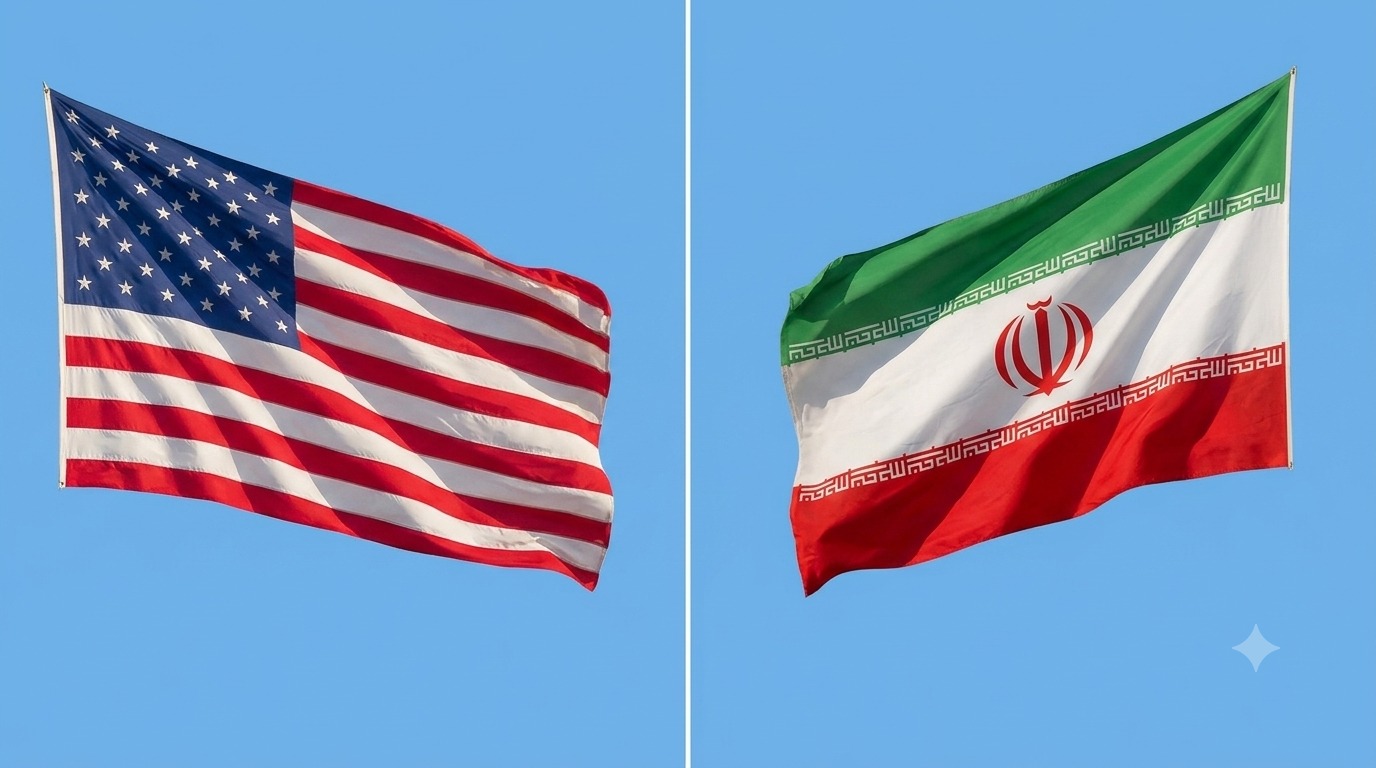
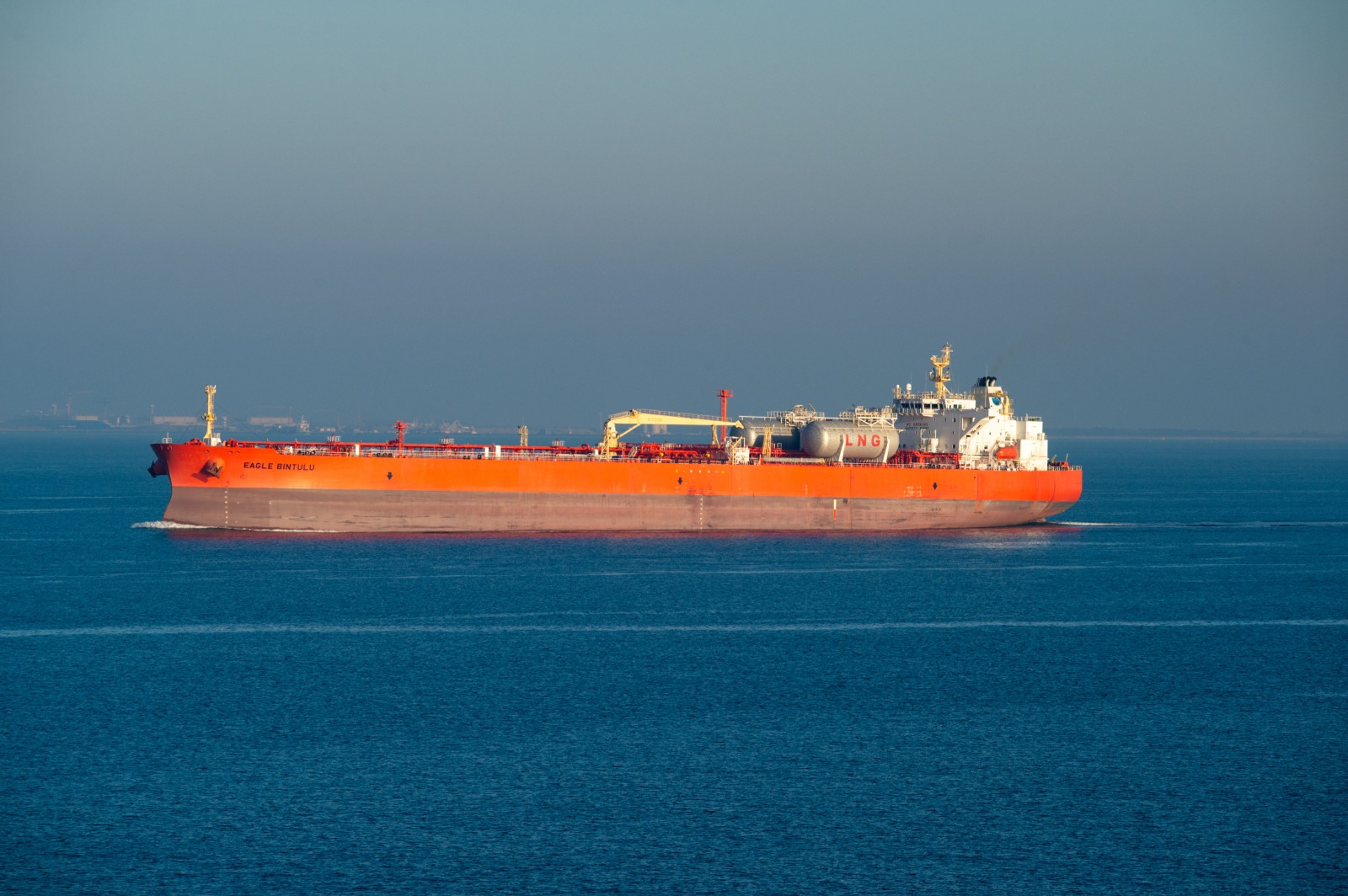
The waterway remains a critical artery for global oil and liquefied natural gas exports, making developments in the region closely watched by commodity markets and corporate supply-chain managers alike. Although commercial shipping continues, businesses are increasingly reviewing contingency plans as security risks influence freight costs, insurance premiums and delivery schedules.
Energy traders reacted cautiously as markets assessed the likelihood that regional instability could affect global supply. While no significant interruption to exports has been reported, analysts note that even the perception of heightened risk is sufficient to influence oil prices and investor sentiment.
For manufacturers and logistics companies, prolonged uncertainty could translate into higher transportation costs, delayed shipments and increased working capital requirements as firms build larger inventories to guard against potential disruptions.
The latest developments also reinforce a broader shift in corporate strategy. Since the pandemic and subsequent geopolitical crises, businesses have increasingly diversified suppliers, expanded regional production networks and invested in supply-chain resilience to reduce dependence on single trade routes.
Financial markets remain sensitive to developments in the Gulf, where geopolitical events increasingly influence inflation expectations, currency movements and monetary policy assumptions. Higher energy prices could complicate efforts by central banks to lower interest rates if inflationary pressures re-emerge.
Governments are meanwhile intensifying diplomatic engagement aimed at preventing further escalation while working with industry stakeholders to ensure the continued movement of global commerce.
Economists say the significance of the Strait extends beyond energy markets. Any prolonged disruption would likely affect manufacturing, aviation, agriculture and consumer goods industries worldwide, reinforcing the interconnected nature of today's global economy.
For investors, the episode highlights the growing importance of geopolitical analysis in portfolio management. Increasingly, political developments are no longer viewed solely through a security lens but as material economic events capable of reshaping investment strategies, corporate planning and global market performance.