The HSBC Flash India Composite Purchasing Managers' Index (PMI), compiled by S&P Global, rose to 56.7 in October from 55.9 in September. The reading exceeded the median forecast of 56.1 in a Reuters poll and marked the fastest expansion since June. A PMI reading above 50 indicates growth, while a reading below that threshold signals contraction.
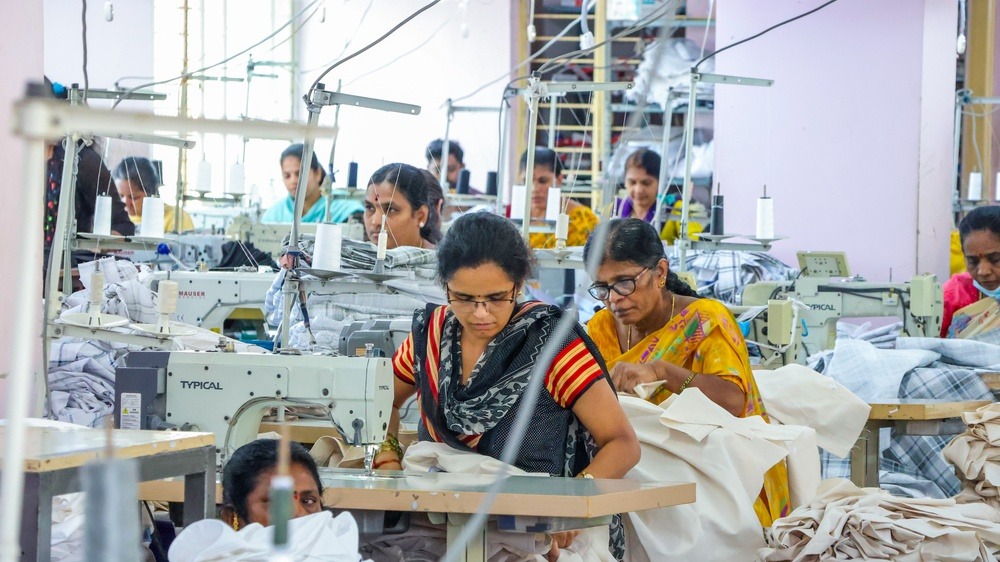
Services provided the main impetus for the improvement. The sector's PMI increased to 56.2 from 55.2, supported by stronger demand and new business. Manufacturing output also edged higher, although the manufacturing PMI slipped to 54.9 from 55.1 as recruitment slowed.
International demand offered additional support. Export orders expanded at their fastest pace in six months, helping businesses secure new work from overseas markets. However, the improvement was not uniform: growth in foreign demand for goods strengthened, while the increase in overseas orders for services weakened.
The employment figures presented a more cautious picture. Services firms left staffing levels unchanged, ending nine months of job creation, while manufacturers added workers only marginally. Companies reported that existing staff were generally sufficient to manage workloads, and backlogs of unfinished work declined at a pace jointly matching the strongest rate in almost six-and-a-half years.
The figures suggest that businesses are responding to stronger demand partly through the more intensive use of their existing workforce rather than substantial recruitment. This may help companies control labour costs and preserve productivity, but it also raises questions about the employment benefits of the current expansion if the pattern persists.
There were more encouraging signs on inflation. Input-cost inflation eased to its lowest level in almost a year, while increases in selling prices slowed to their weakest pace since March 2025. Lower cost pressures could give businesses greater flexibility to protect margins or offer competitive prices, although individual companies remain exposed to increases in items such as steel and transport.
Business confidence also recovered to its highest level since May, although it remained below the average recorded during 2026 so far. The preliminary survey provides an early indication of economic conditions and is based on approximately 90% of monthly responses.
The next test will be whether stronger orders persist and prompt businesses to expand their workforces. Sustained growth accompanied by wider recruitment would strengthen the case for a more inclusive recovery. If employment remains subdued despite rising activity, the benefits of India's expansion may be slower to reach households and the broader labour market.