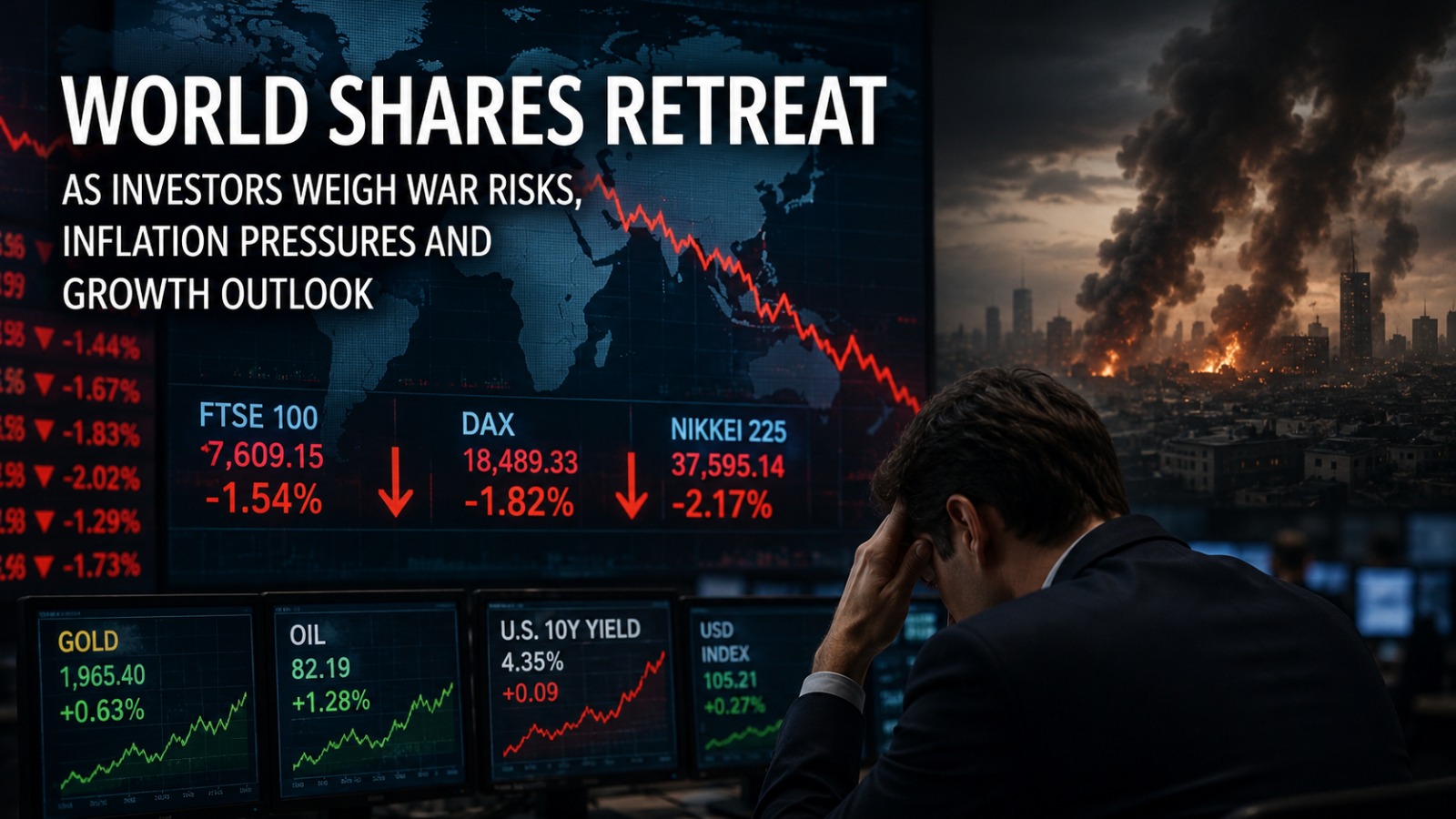
Although oil prices have retreated from recent highs following signs of reduced regional tensions, energy traders, shipping operators and policymakers continue to monitor developments closely due to the route's importance for global crude and liquefied natural gas exports.
The Strait of Hormuz remains a vital gateway connecting Gulf energy producers with international markets. Any disruption, whether caused by conflict, security concerns or shipping restrictions, has the potential to affect energy costs, freight rates and broader inflation expectations.
Industry analysts say recent events have reinforced longstanding concerns regarding concentration risk within global energy infrastructure. While energy markets have become more diversified over the past decade, significant volumes of global petroleum exports continue to depend on a relatively small number of transport routes.
Shipping companies have reported increased insurance costs and heightened security measures, adding operational expenses for energy producers and traders. These additional costs can eventually flow through supply chains, affecting industries ranging from manufacturing and aviation to agriculture and consumer goods.
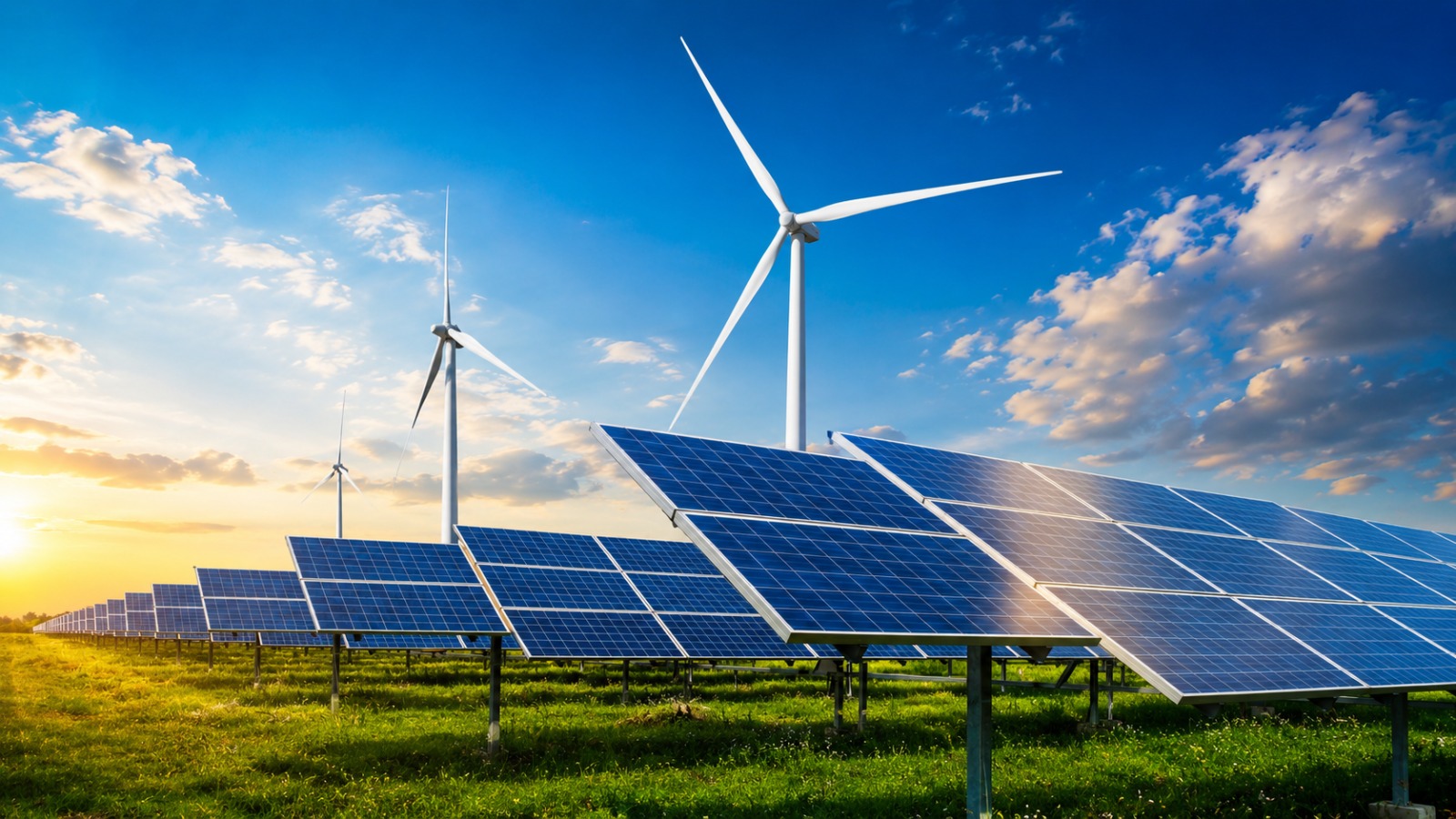
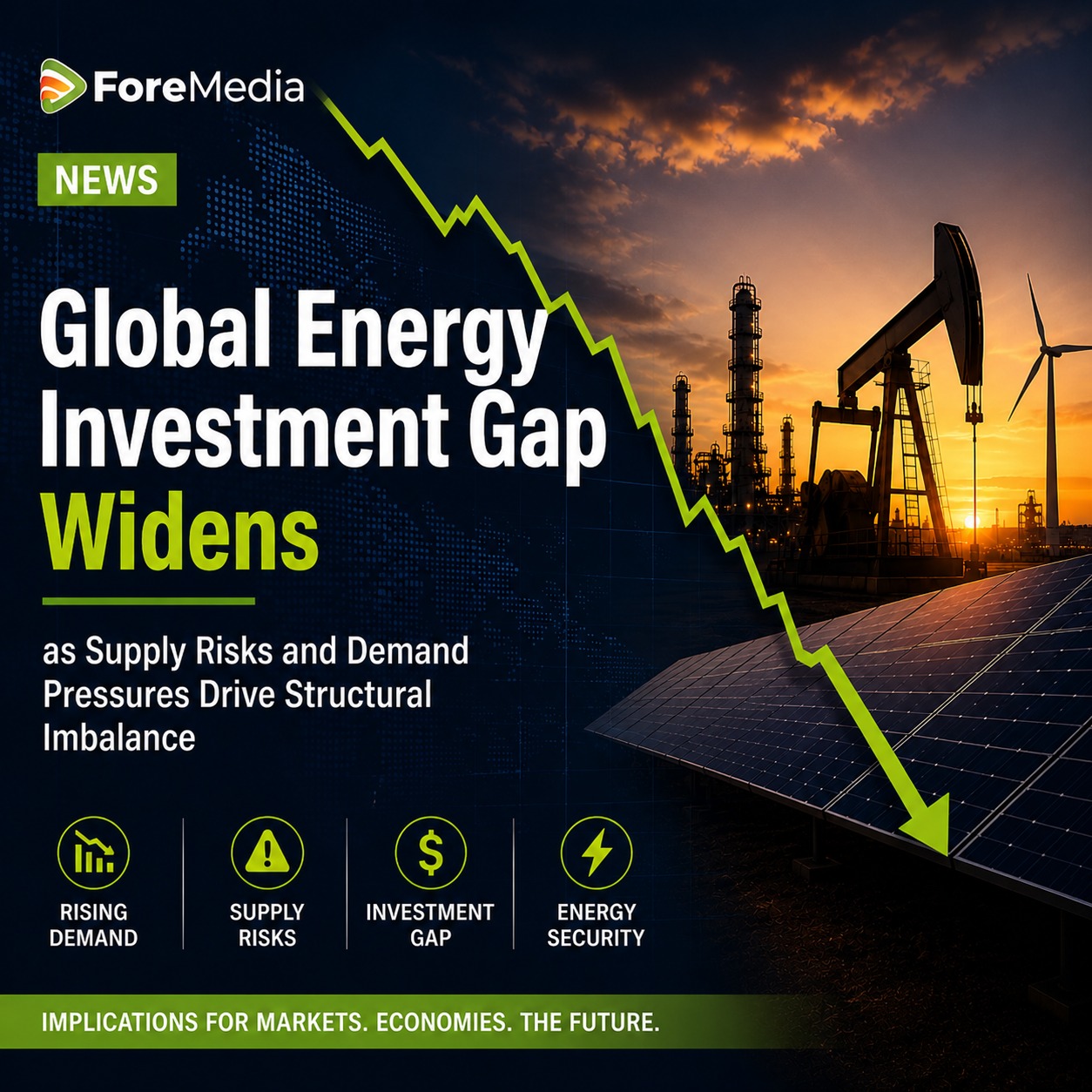
Governments are increasingly evaluating strategies to strengthen energy resilience through strategic reserves, infrastructure diversification and expanded domestic production capabilities. Several countries have accelerated investments in renewable energy, storage technologies and alternative supply networks aimed at reducing vulnerability to geopolitical disruptions.
The episode also highlights the growing connection between infrastructure security and economic stability. Energy transport networks, ports, pipelines and logistics corridors are increasingly viewed as strategic assets with direct implications for national competitiveness and market resilience.
While immediate market concerns have eased, industry leaders warn that the underlying structural risks remain unchanged.
For businesses and investors, the latest disruptions serve as a reminder that energy security remains closely tied to trade, inflation, industrial activity and long-term economic planning in an increasingly interconnected global economy.