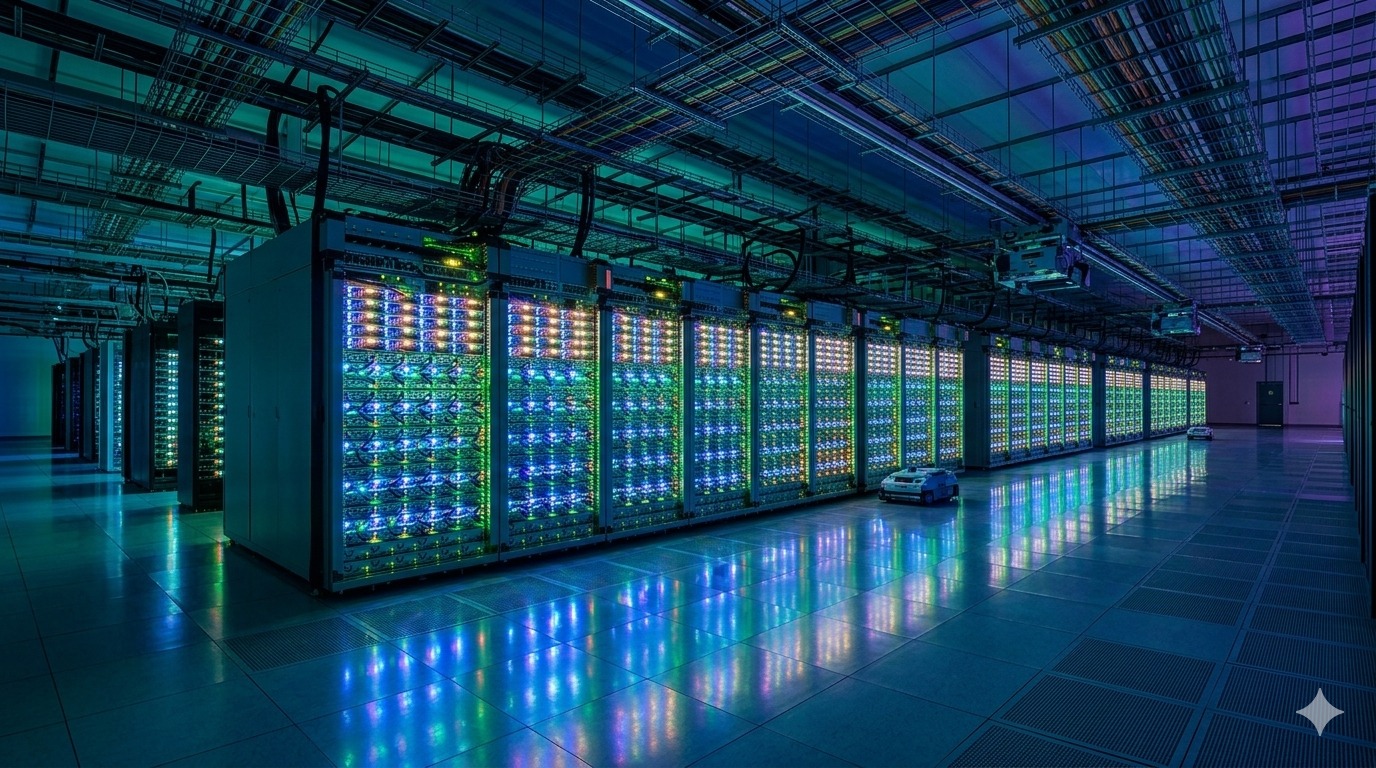
The rapid expansion of hyperscale data centres across North America, Europe, Asia and parts of the Middle East is placing unprecedented pressure on power systems that were not originally designed to accommodate such concentrated energy consumption. Industry analysts estimate that AI-driven computing requirements could significantly increase electricity demand over the coming decade, forcing governments, utilities and investors to accelerate infrastructure planning.
The issue extends beyond generation capacity. Transmission networks, substations, grid resilience systems and energy storage infrastructure are increasingly becoming strategic assets as countries compete to attract technology investment.
For policymakers, the challenge is balancing economic opportunity with energy security. Major technology companies continue announcing large-scale data-centre projects, but several jurisdictions are already confronting delays linked to power availability, grid connection bottlenecks and permitting constraints.
The trend is creating new opportunities for infrastructure investors. Utilities, grid operators, renewable energy developers and project-finance institutions are positioning themselves to benefit from rising capital expenditure requirements across the energy value chain.
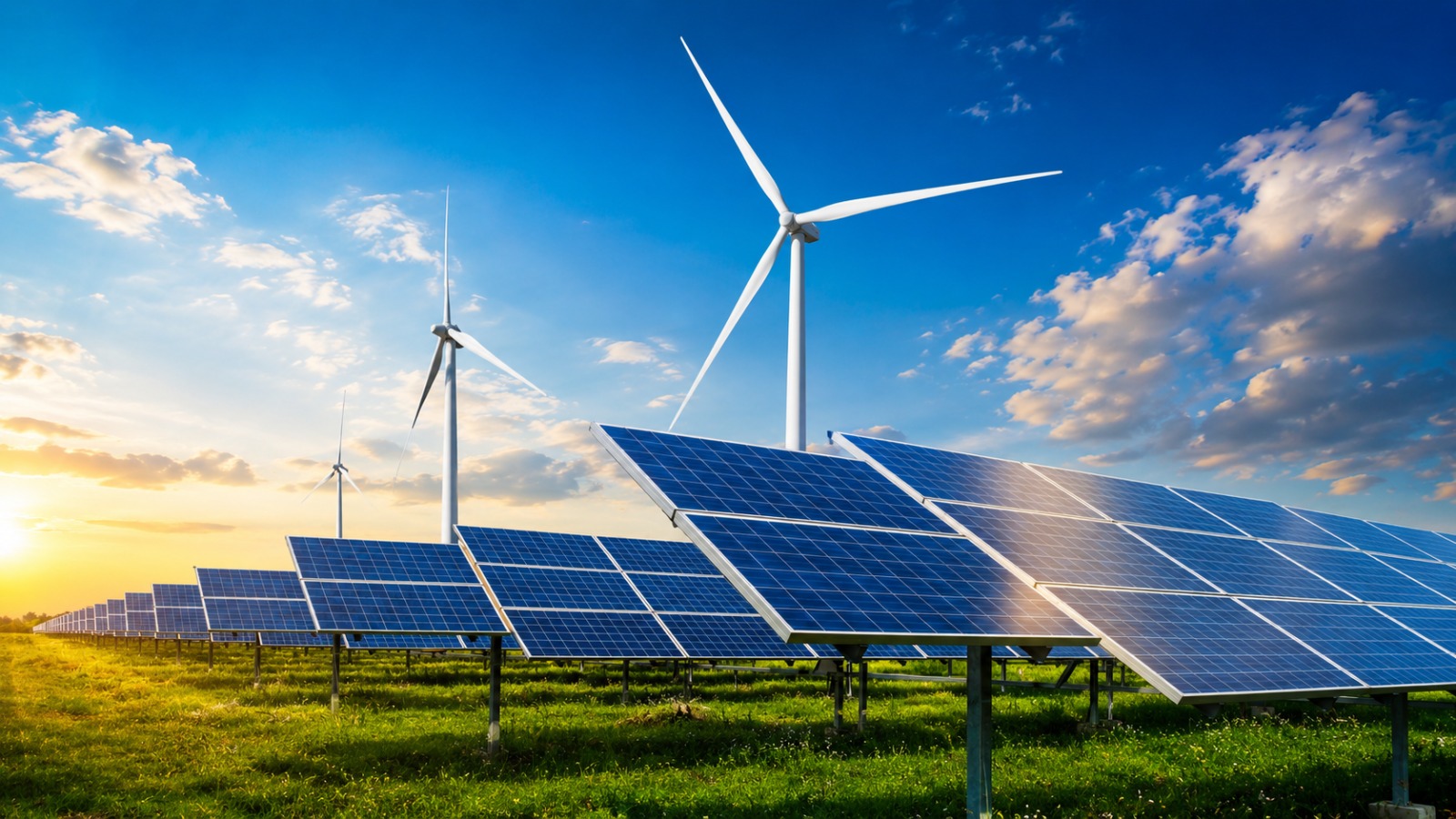
Investment flows are increasingly moving toward transmission upgrades, battery storage systems and renewable generation projects capable of supplying long-term power demand from digital infrastructure operators.
The implications are particularly significant for emerging markets seeking to attract technology investment. Countries that can provide reliable, scalable and competitively priced energy infrastructure may gain an advantage in attracting future AI-related industrial activity.
For investors, the broader message is becoming clearer. The AI economy is no longer solely a technology investment story. It is also an infrastructure story, linking digital transformation directly to power generation, grid modernisation and long-term energy security.
As governments and corporations expand AI ambitions, electricity networks are becoming an increasingly critical component of global competitiveness.