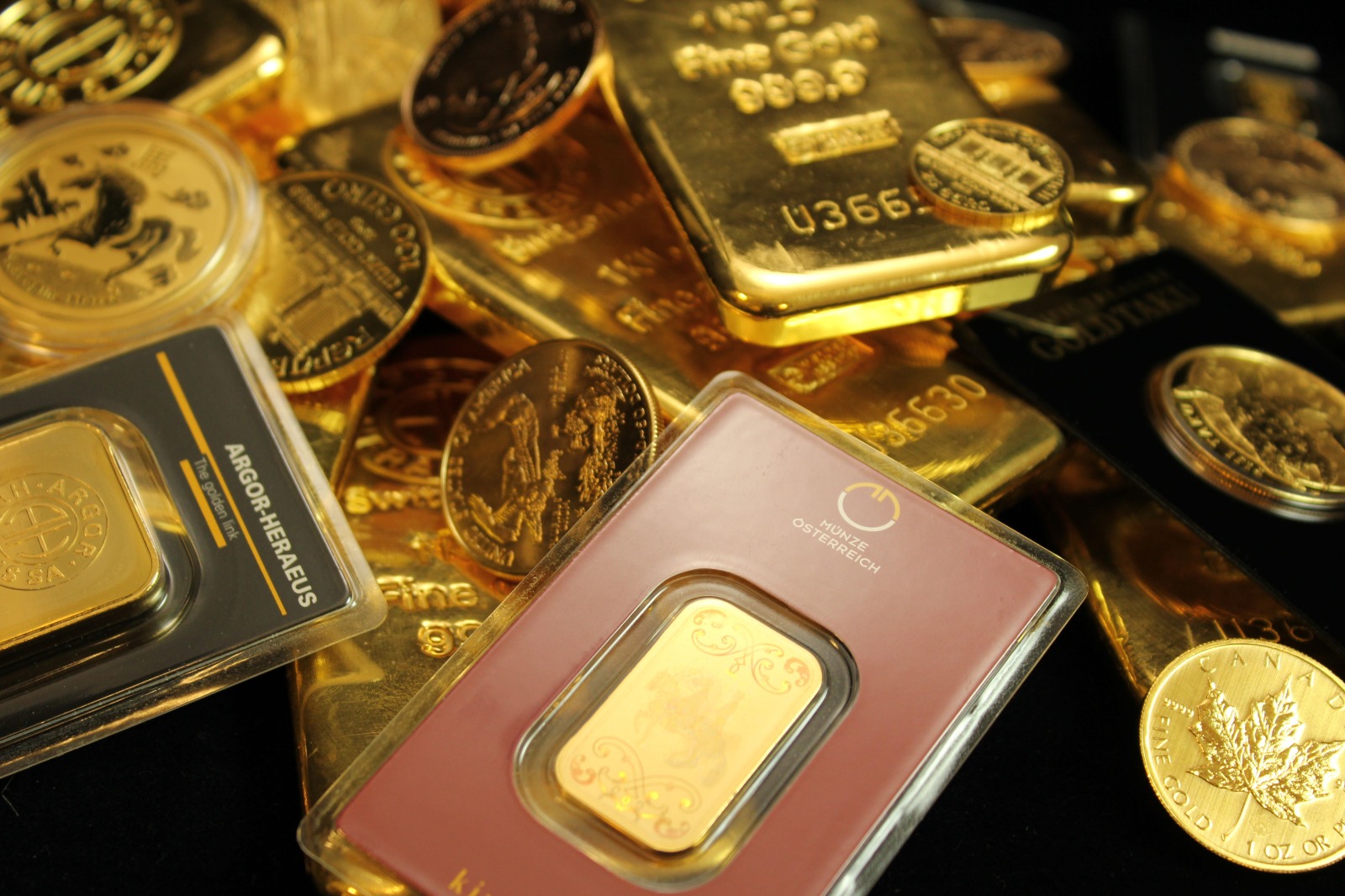
Spot gold fell sharply on Monday, reaching its lowest level since early August after losing about 4% during the session. It was trading around $4,136.81 an ounce, while US gold futures settled at $4,168.40.
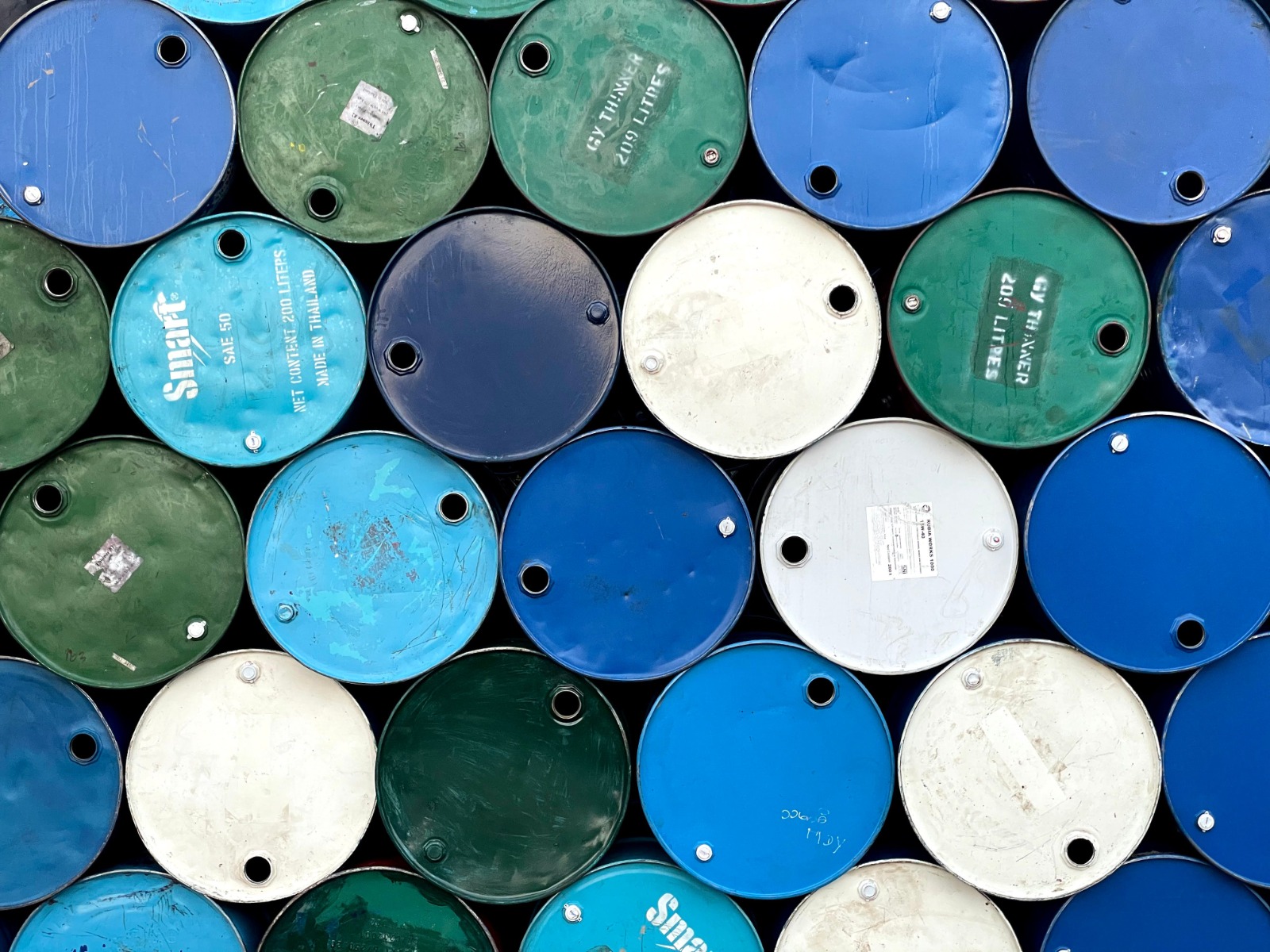
The decline followed a sustained rise in oil prices that has increased concerns over inflation. Brent crude has moved above $106 a barrel amid continuing uncertainty surrounding Middle East supply routes, creating a fresh source of price pressure for major economies.
Higher energy costs can complicate the outlook for central banks because they can feed through into transportation, production and consumer prices. Investors have consequently increased expectations that some policymakers could maintain or extend restrictive monetary conditions.
US Treasury yields have also risen sharply. Higher yields increase the opportunity cost of holding gold because the metal does not generate interest income. At the same time, a stronger dollar makes gold more expensive for buyers using other currencies.
The dollar has remained close to a two-month high as markets reassess the outlook for US monetary policy. Expectations for further Federal Reserve tightening have strengthened alongside higher oil prices and resilient economic data, providing additional support to the US currency.
The movement in gold represents a reversal from the strong performance seen during the earlier part of the year. The metal's longer-term investment appeal remains linked to inflation protection, currency diversification and demand for perceived safe-haven assets, but those factors can be outweighed temporarily by movements in interest rates and the dollar.
For investors, the interaction between energy prices, Treasury yields and Federal Reserve expectations will remain important in determining the direction of bullion markets. A further rise in yields could maintain pressure on gold, while weaker economic data or a moderation in inflation expectations could alter the rate outlook.
Central banks and institutional investors will therefore continue to monitor both monetary-policy signals and geopolitical developments.
The immediate outlook for gold is likely to remain closely tied to the broader relationship between inflation, interest rates, the dollar and global risk conditions as markets assess whether current energy pressures represent a temporary shock or a more persistent inflationary challenge.